
Capital:
Tokyo
Currency
Yen
Best time to visit:
Spring (from March to May) and autumn (from September to November) are the most pleasant times to leave. In summer, humid heat is sometimes annoying and at the end of August there is also the risk of typhoons. In winter it snows in Hokkaido and on the coast, but there are many interesting offers, especially for Kyoto and, although your teeth are chattering in Honshu, autumn and winter are perfect for reviving your tan in Okinawa.
In a word:
Sugoi (cool)
Vaccines
None
Warnings:
– During meals, remind your children never to leave their chopsticks stuck in the rice: this is a gesture associated with funerals.
At the table:
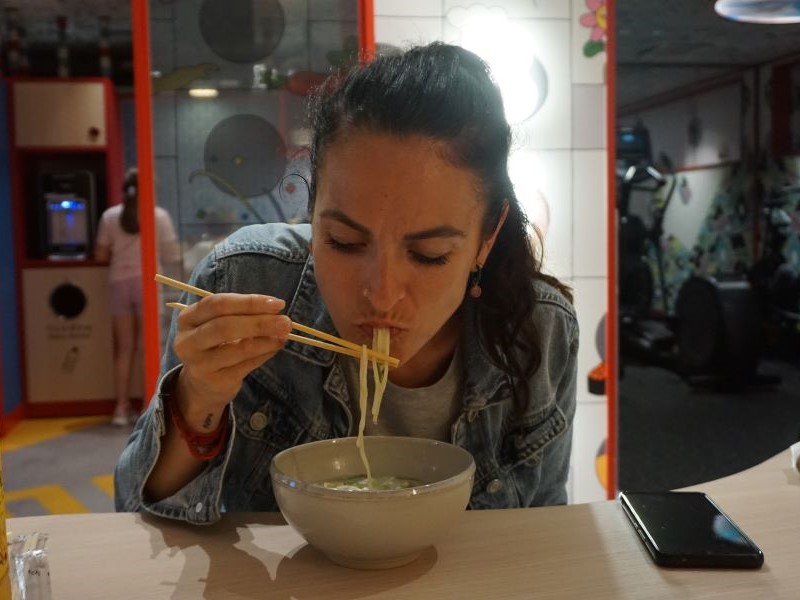
Japanese cuisine is varied and delicious. Children will be thrilled by yakitori (restaurants serving grilled chicken and vegetable skewers), ramen (Japanese noodle restaurants), and perhaps even sushi (sushi restaurants). They'll also enjoy okonomiyaki (savory pancakes) and omuraisu (rice-filled omelettes).
Essential experiences:
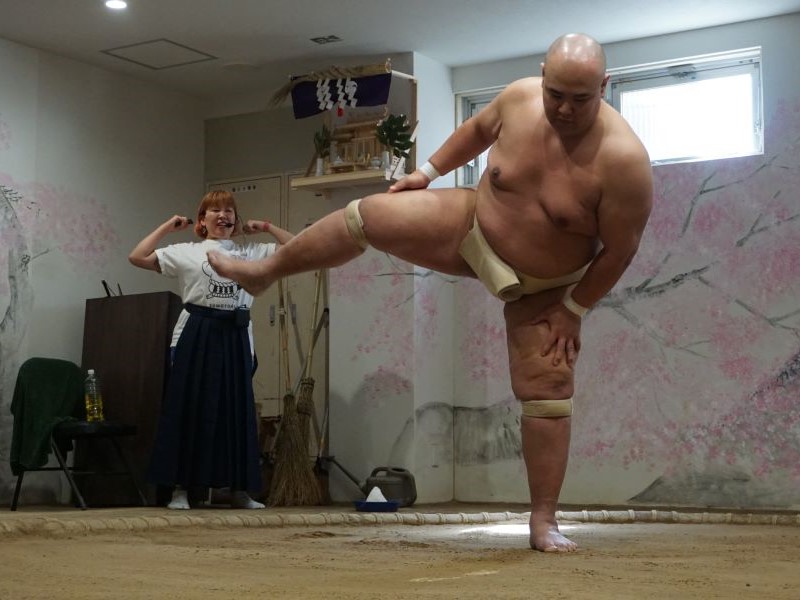
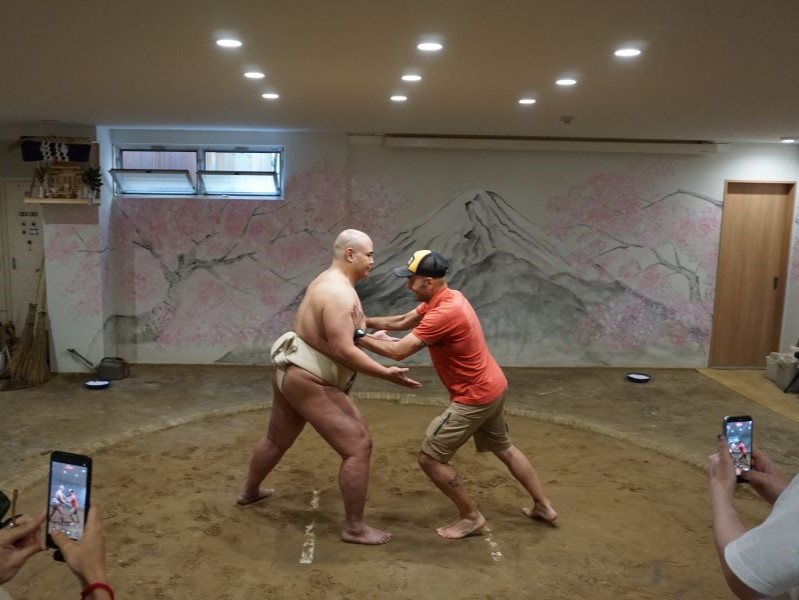
Experience a day at a temple in Koyasan; train with rikishi (Sumo wrestlers) in Osaka; witness a traditional tea ceremony in Kyoto; and lose yourself in Tokyo's futuristic gaming districts.
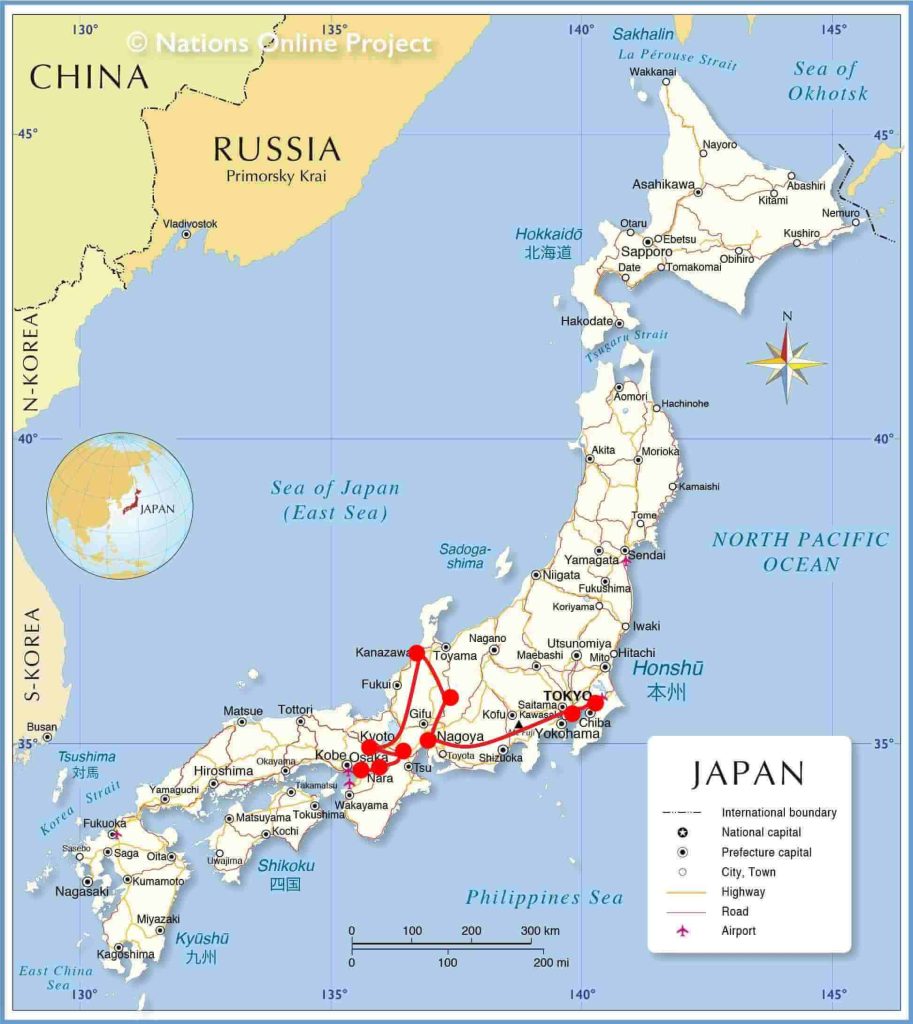
Our itinerary took us from lively and energetic Osaka to the spiritual silence of Koyasan, among the monks and sacred forests. Then Nara, with its free-roaming deer among the temples, and Kyoto, with its Arashiyama bamboo forest and dreamlike gardens. Then Kanazawa, less touristy but stunning, and Takayama, with its wooden houses and a timeless atmosphere. A journey that ended beautifully in Tokyo, a hyper-connected metropolis that even amazes children!
We traveled on local transport, from buses to the spectacular shinkansen – the famous bullet trains – but above all we spent many hours in the intricate corridors of the subway!
A very simple trip to take with children, very interesting even for the little ones who will be continuously stimulated by everything they will see every day: a triumph of lights, sounds and curiosities.
Our suggested itinerary (17 days) | |
four days: | Osaka (visit to the Castle, Shitenno-ji Temple, watch sumo training, Hozen-ji Temple, get lost in the Dotonbori district); Nara (day trip from Osaka with a visit to Todai-ji, the great Buddha statue: Daibutsuden and Kasuga Taisha – Lantern Shrine); Koyasan (a full-day experience at a Buddhist temple plus participation in the Aoba Matsuri – traditional costume parade) |
four days: | Kyoto (visit to Nijo Castle, attend a traditional tea ceremony, Higashi Hongan-ji Temple, visit to the Arashiyama bamboo forest, Kitano Tenmagu Temple – god of wisdom and study – Kinkaku-ji Golden Pavilion, Gion District where geisha and maiko meet); Kanazawa (visit to Kenroku-en Garden and the Castle, Omicho Market and traditional Nagamachi District – Samurai) |
three days: | Shirakawa-go (village tour from Shiroyama viewpoint to Gassho-zukuri traditional house); Takayama (Sanmachi Suji district, Miyagawa Morning Market); Shokawa (experience at a local school) |
six days: | Tokyo (visit to Senso-ji Temple, Akihabara “Electric Town,” Meiji Jingu Shrine, Takeshita Street, Shibuya Crossing, Shinjuku, the world’s largest fish market Tsukiji Outer Market, Team Lab Planet Museum, and Gundam); Kamakura (visit to the Great Buddha – Kotoku-in, Tsurugaoka Hachimangu Shrine, and a chance to admire Mt. Fuji) |
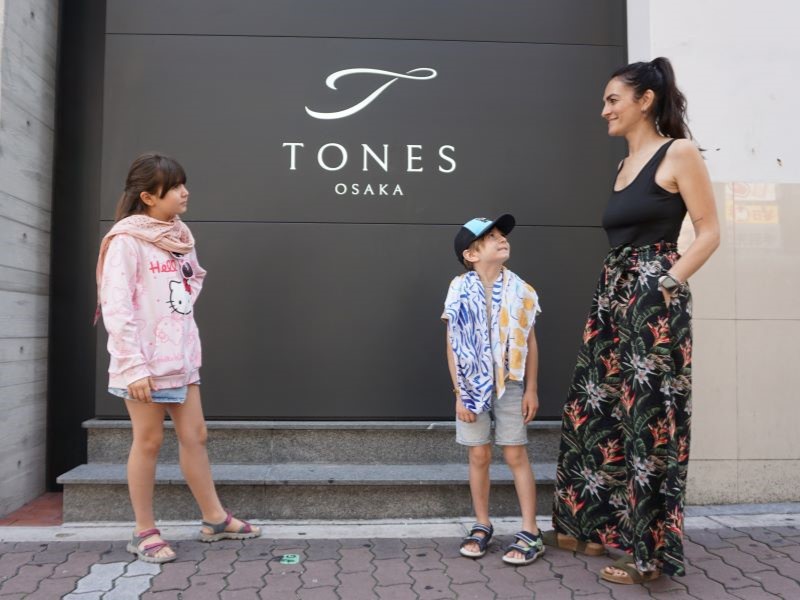
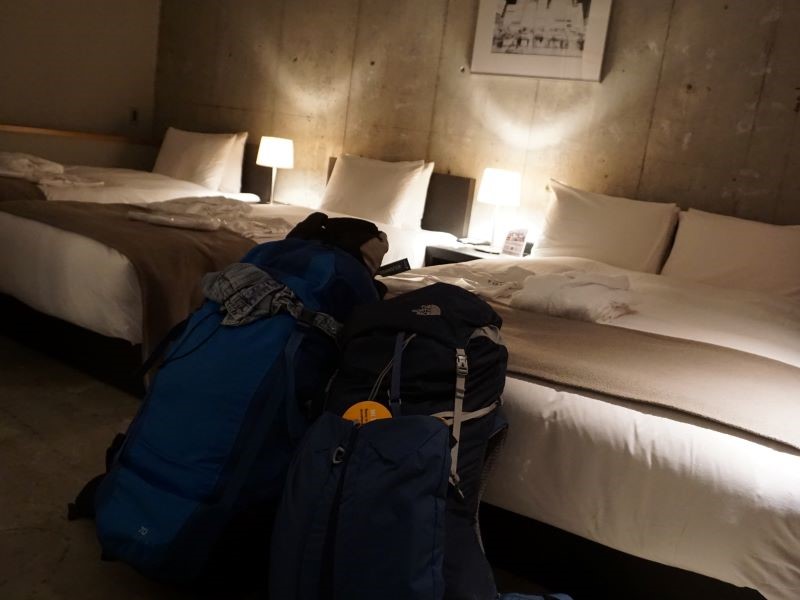
Choose a hotel in a good location, we opted for the Tones Hotel OsakaJust steps from Umeda Stadium, this minimalist, urban-style building features exposed concrete and an industrial-chic atmosphere with soft, well-placed lighting. It's clear the work of a great Italian architect (Aldo Rossi). Perfect for a family who wants to get around by public transport and explore the entire city without wasting too much time!
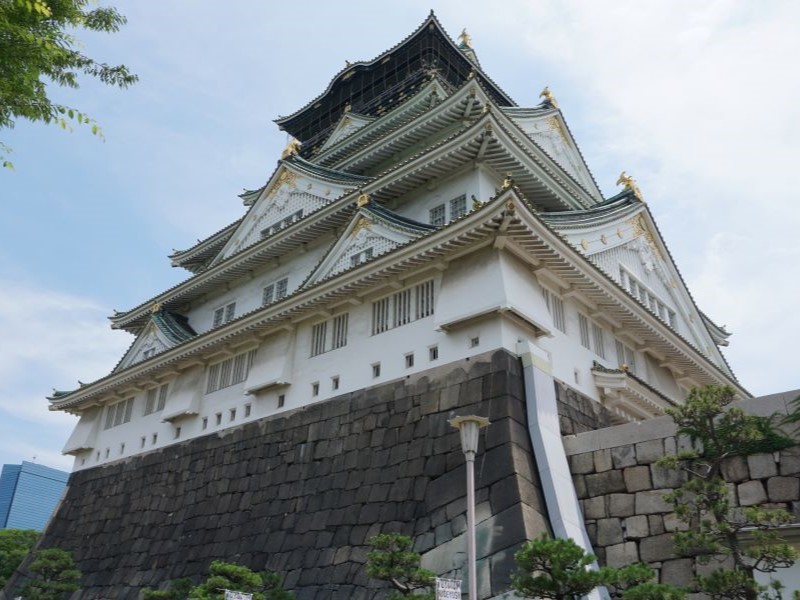
Osaka Castle. Iconic, colossal, picturesque. It sits within a large green park with gardens and fountains. This 106-hectare park, entirely surrounded by double moats, is one of the most celebrated sites during the cherry blossom season in Japan.
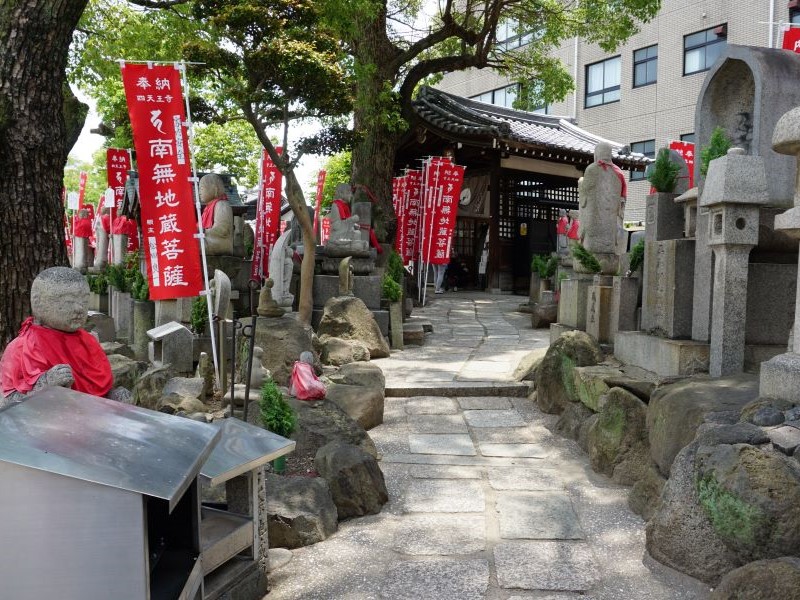
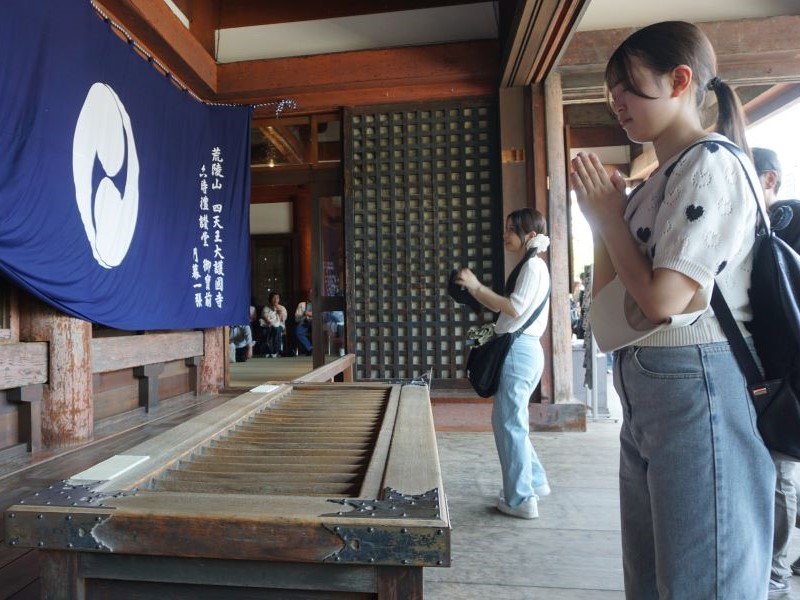
Shitenno-ji Temple. It is the oldest and most important Buddhist complex in Osaka. Founded in 593 AD, it was the first temple ever built directly by the Japanese state to introduce Buddhism to the country. Don't miss the majestic five-story pagoda; you can climb to the top floor.
Gokuraku-jodo Garden, a splendid traditional nature oasis. Admire the kondo (main hall), the sacred building which houses the statue of Kannon, the deity of mercy and the turtle pond.
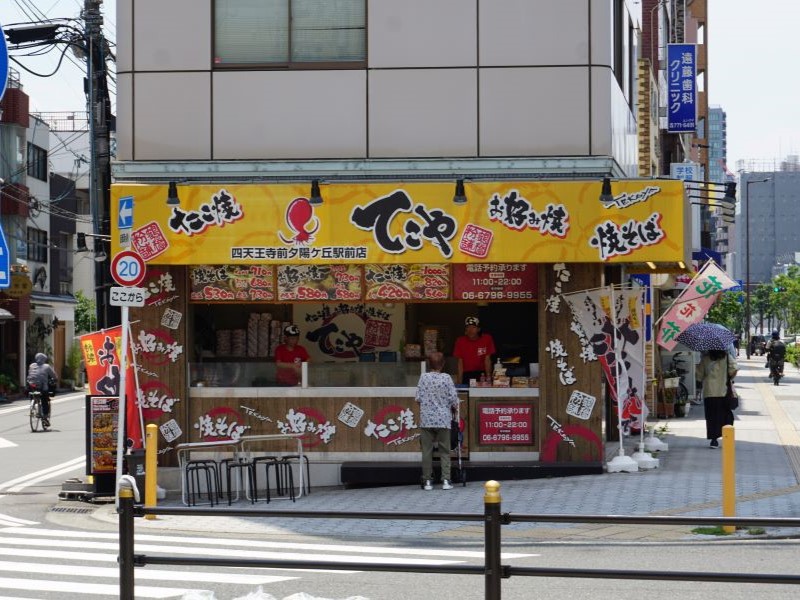
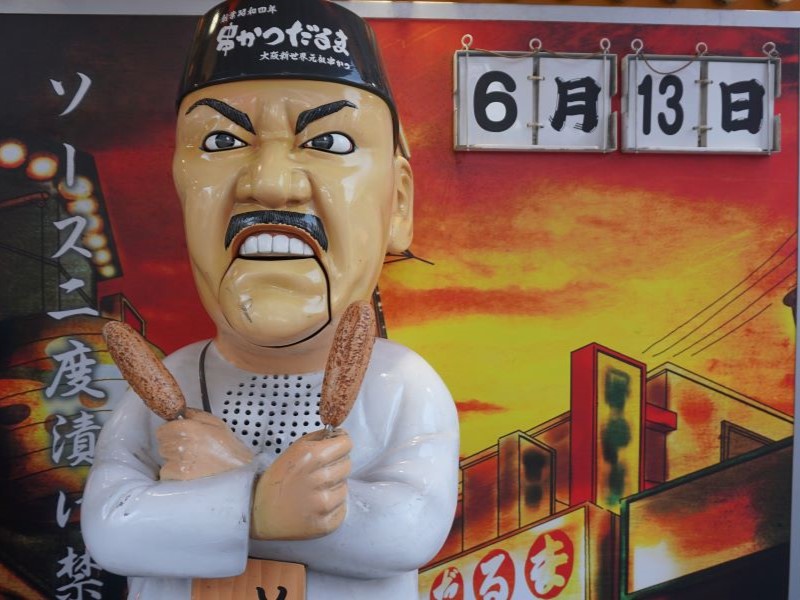
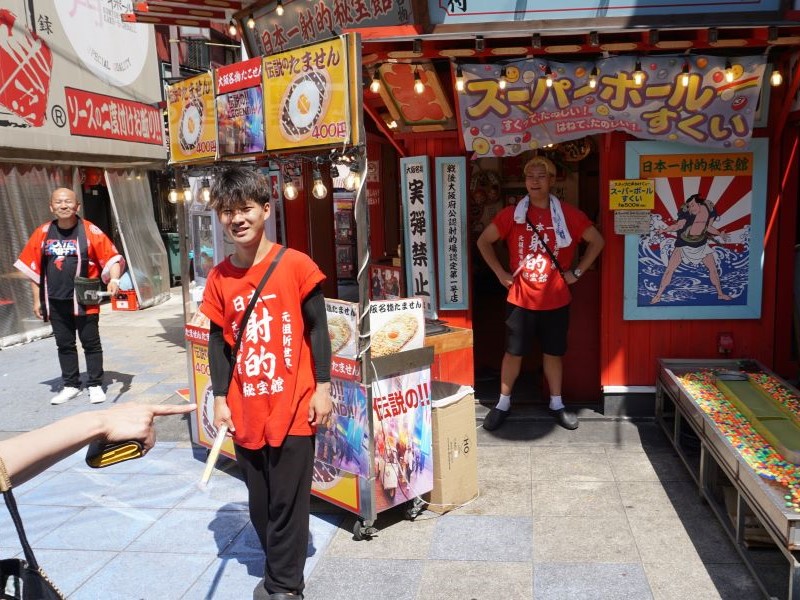
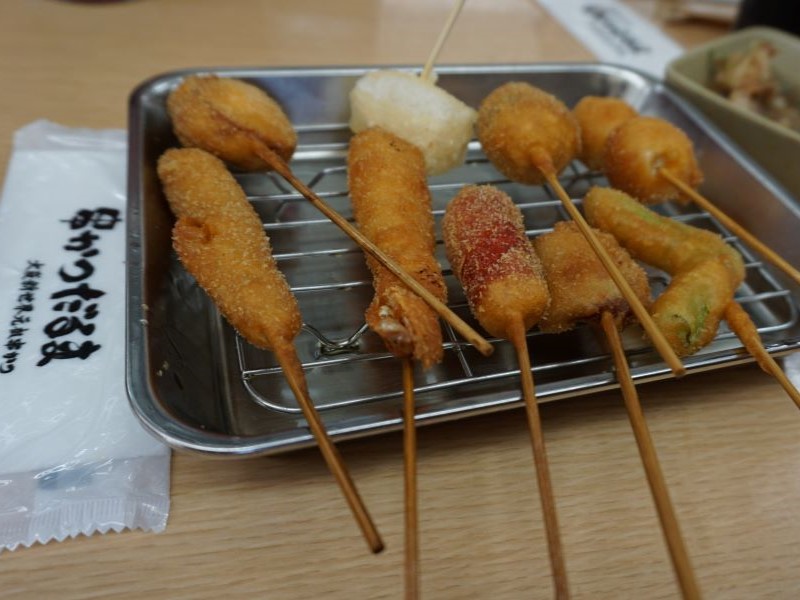
For lunch, wander the streets of Shinsekai, a neighborhood full of colors and restaurants, famous for its fried skewers: kushi-katsu. We couldn't help but try them!
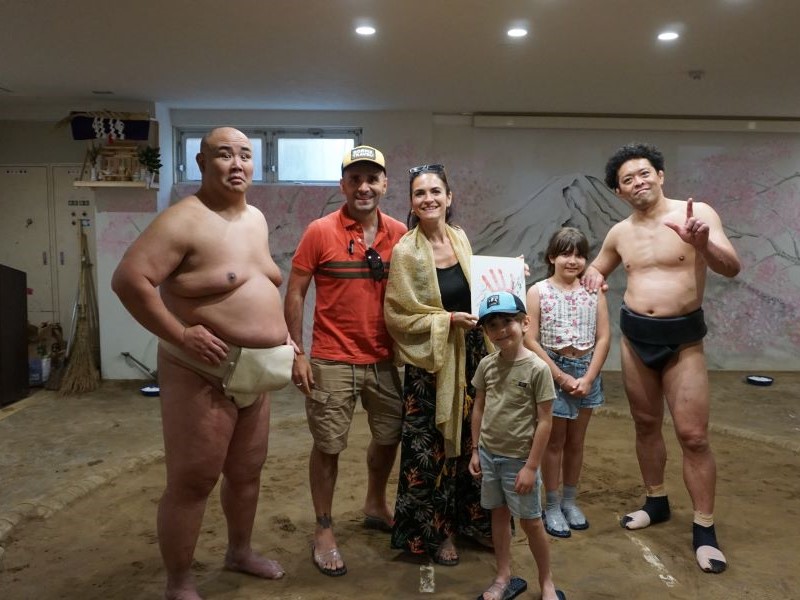
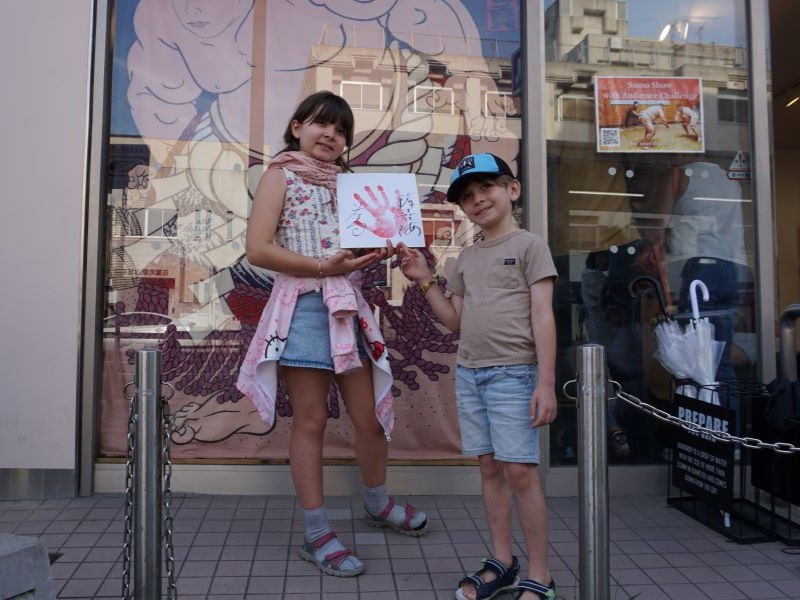
Sumo Experience at the Nishinari's Sumo StudioAn hour and a half of laughter, learning about this famous sport, and, if you're brave, even stepping into the ring. You'll journey from history to culture, discovering the rituals that accompany it and the kimarite techniques, until you witness a real tachiai match between two professional wrestlers. The most anticipated moment is when the two wrestlers invite a few curious volunteers to try their hand at this ancient discipline.
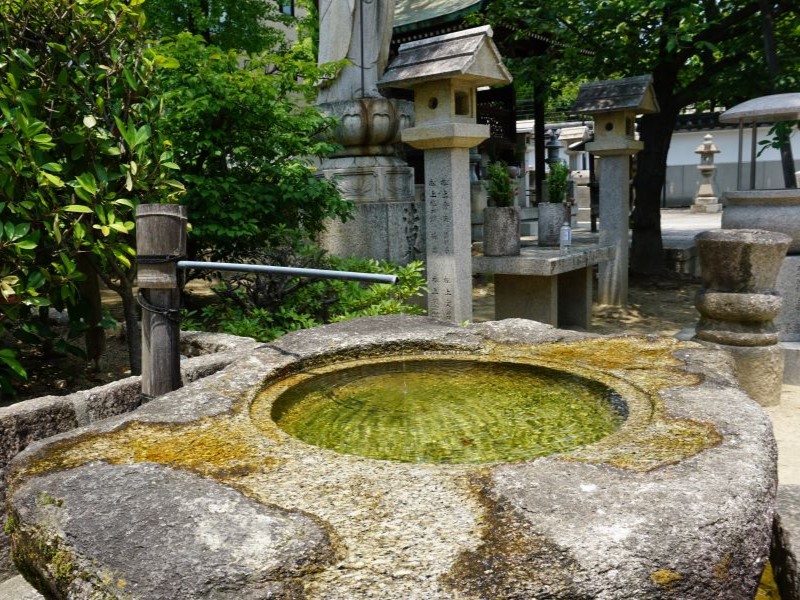
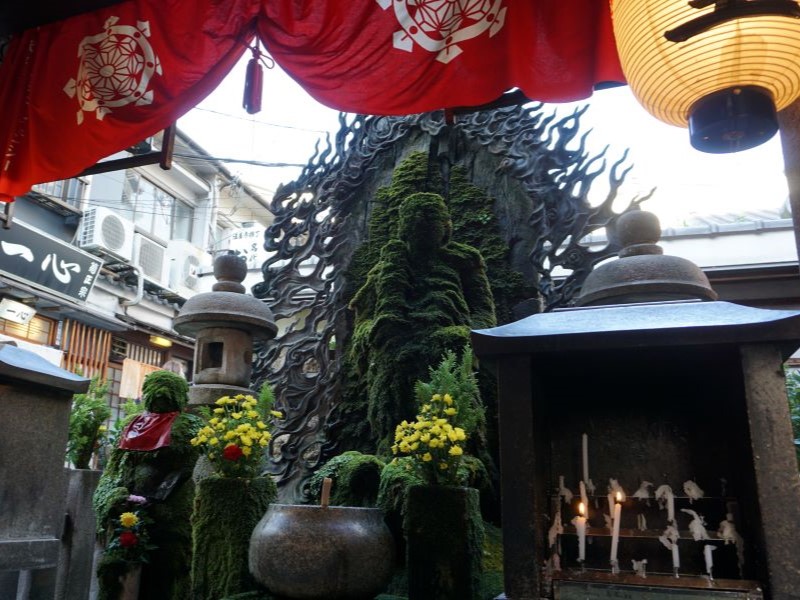
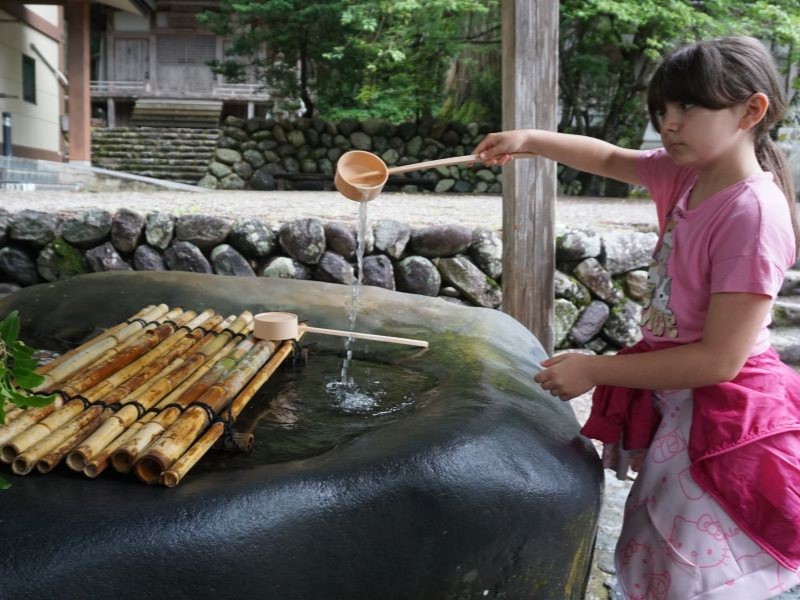
Hozen-gi Temple. A small oasis of spiritual peace in the heart of Namba, just steps from the bustling Dotonbori. This small Buddhist temple is famous for its statue of Fudo Myoo, completely covered in moss. Tradition has it that you must make a wish by sprinkling water on it for good luck and protection.
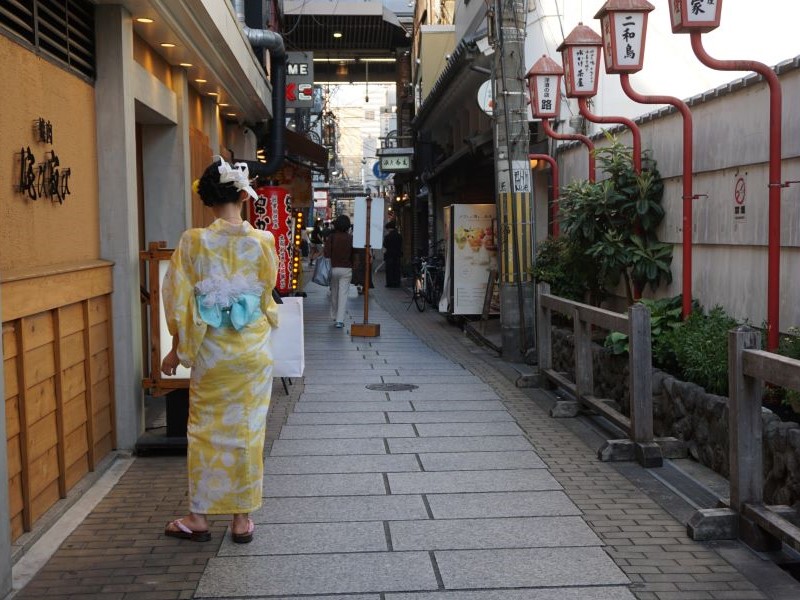
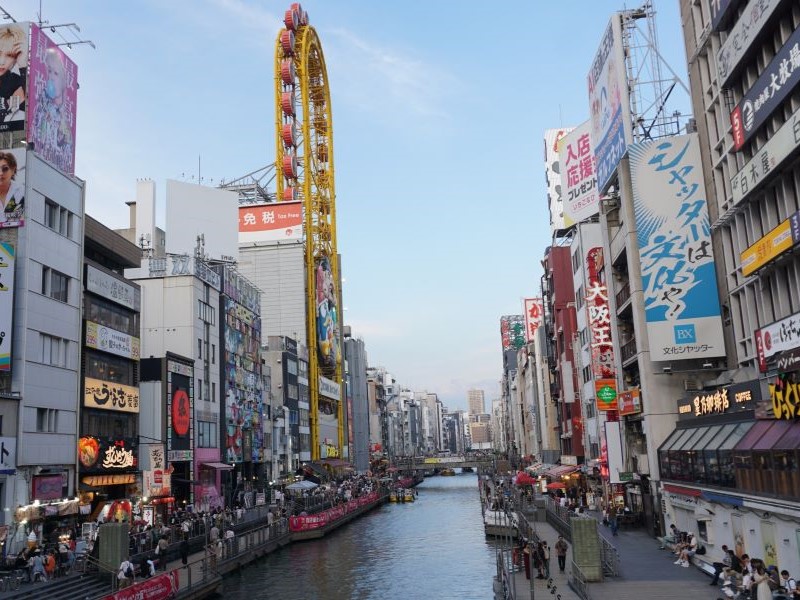
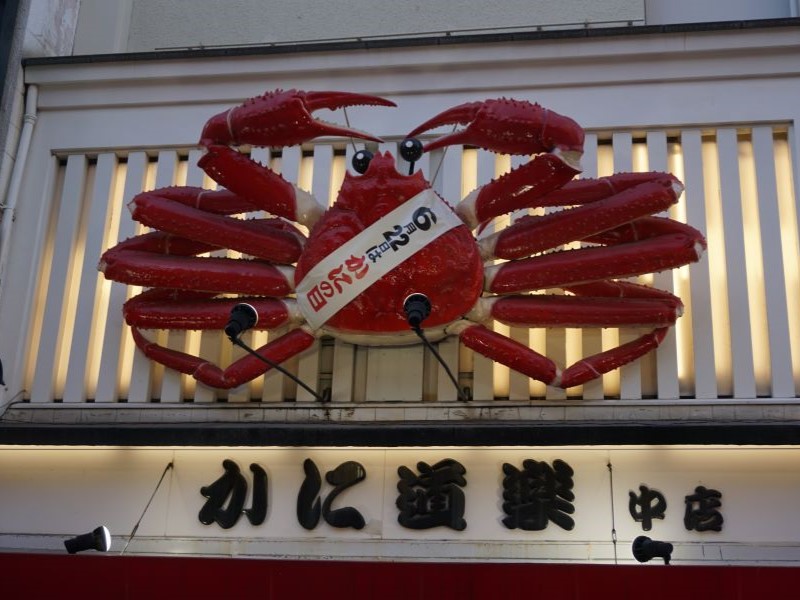
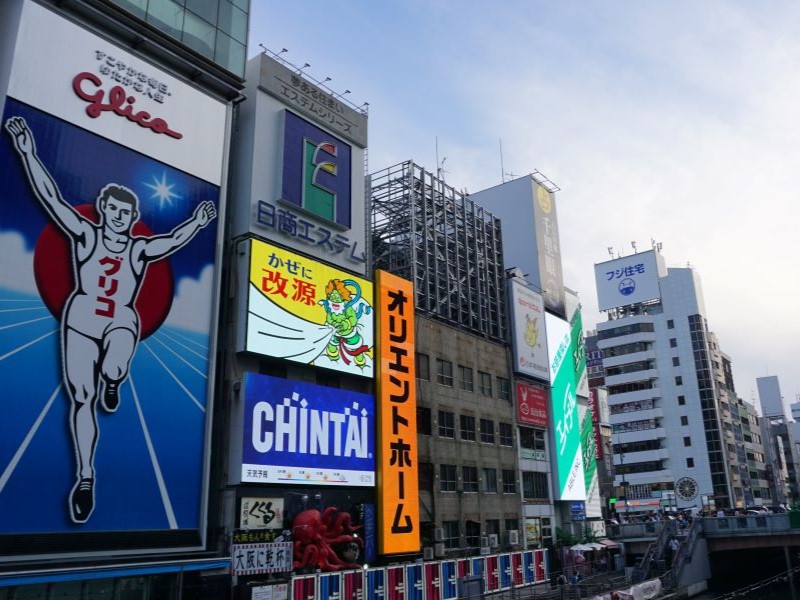
Dotonbori. The beating heart of Osaka's entertainment, street food, and nightlife. Famous for its gigantic three-dimensional illuminated signs, its colors reflecting on the famous canal, its giant crabs rising from the facades of its buildings, and the Glico Man, the finish line runner, a symbol of Osaka since 1935.
Kuromon Ichiba Market. Around the mid-1800s, fishermen began selling their wares near Enmyou-ji Temple.
Two centuries later, a real market for fish and its cuisine flourished. Many local residents and chefs come here to source fresh fish ideal for its seafood street food.
Dishes not to be missed:
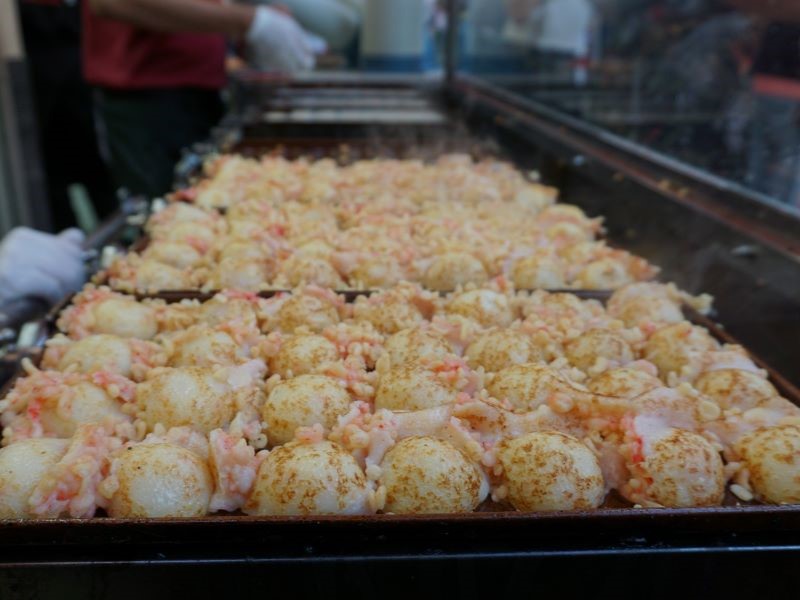
-Takoyaki: spherical fried batter balls filled with octopus pieces and dried tuna flakes;
– Okonomiyaki: savory omelette made with cabbage, flour, and eggs, grilled on the spot and filled with pork, shrimp, and cheese.
An evening at one of the many karaoke joints where we sing our hearts out for an hour, much to the delight of our neighbors.
A day trip you definitely shouldn't miss is a visit to little Nara.
A 40-minute train ride from Namba Station takes you to what was Japan’s first capital and a UNESCO World Heritage city.
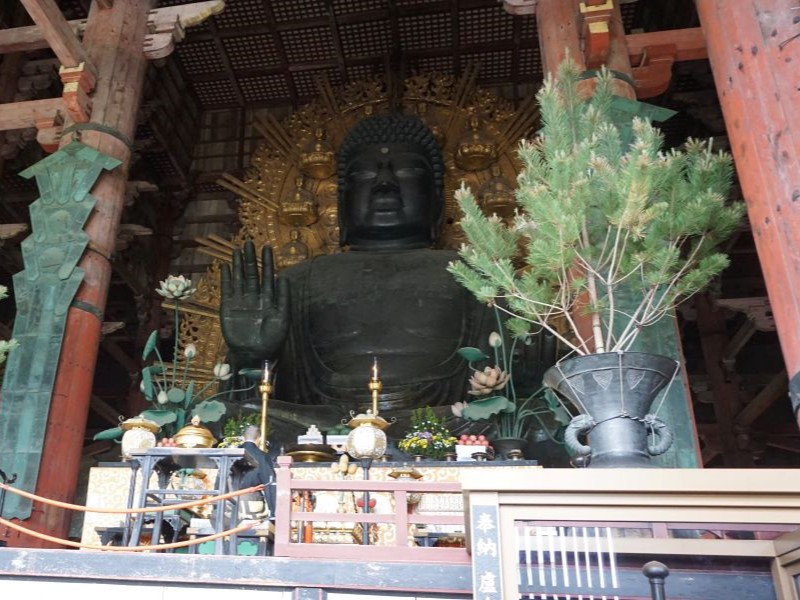
We begin our visit at Todai-ji (Great Eastern Temple), the spiritual heart and one of Japan's most impressive monuments. Built with the aim of protecting the nation from disease and natural disasters through Buddhism, it is a place of worship.
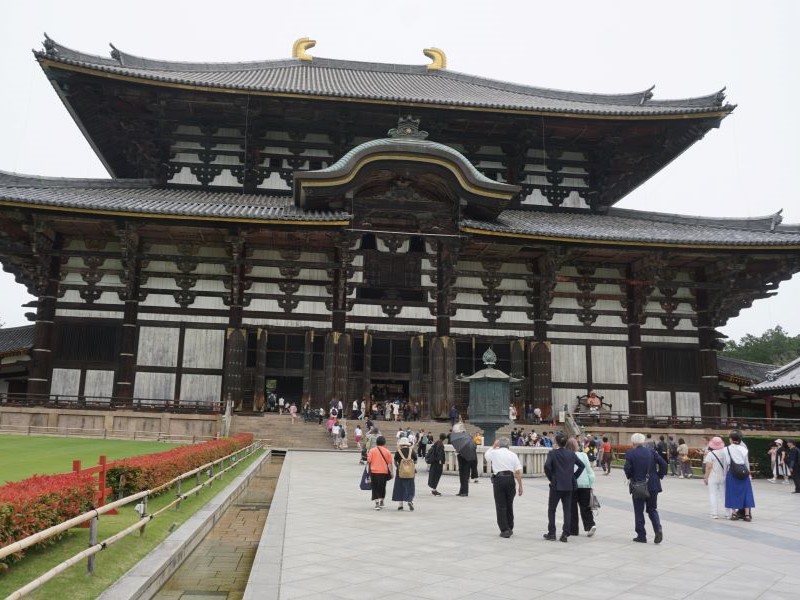
The Daiutsuden (Great Buddha Hall) is known as one of the largest wooden structures in the world. Inside the hall sits the 15-meter-tall Vairocana Buddha, constructed using almost all the bronze available in Japan at the time.
Behind the main statue is a wooden column with a hole at its base: it is said that the hole is the same size as Buddha's nostril. Legend has it that whoever manages to pass through it will receive enlightenment in the next life...
“Binzuru”, the faithful believe that by touching a part of his heart and then the corresponding part of one’s sick body, healing can be achieved.
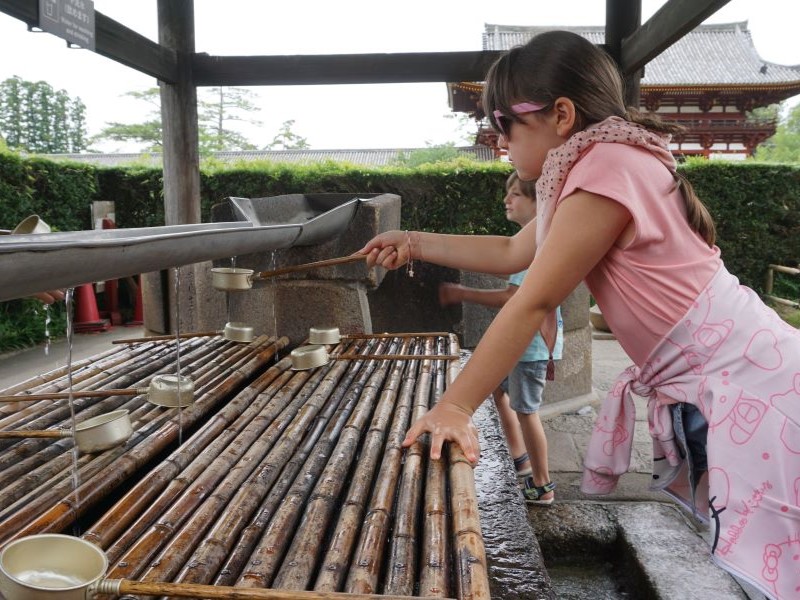
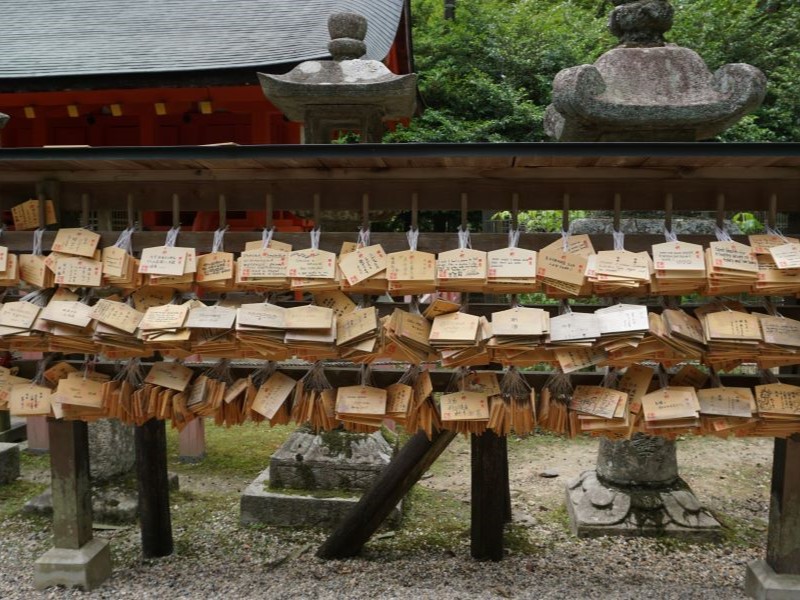
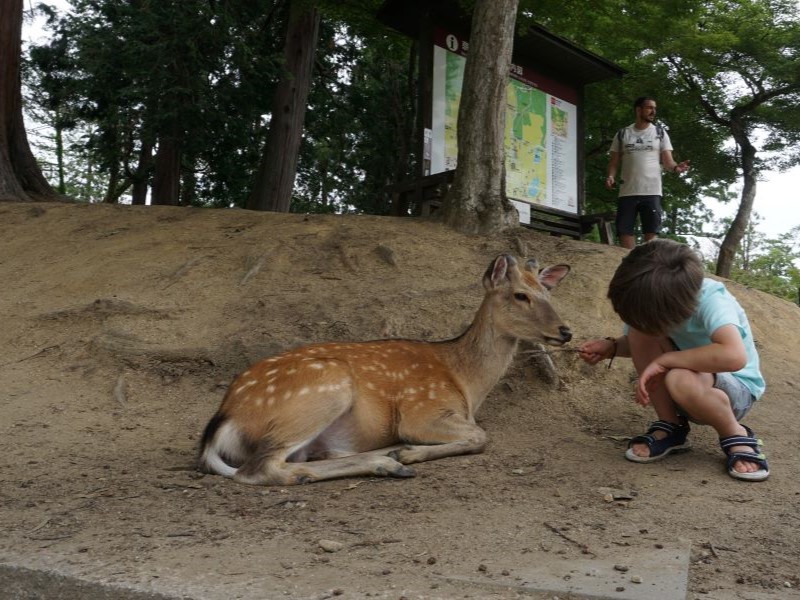
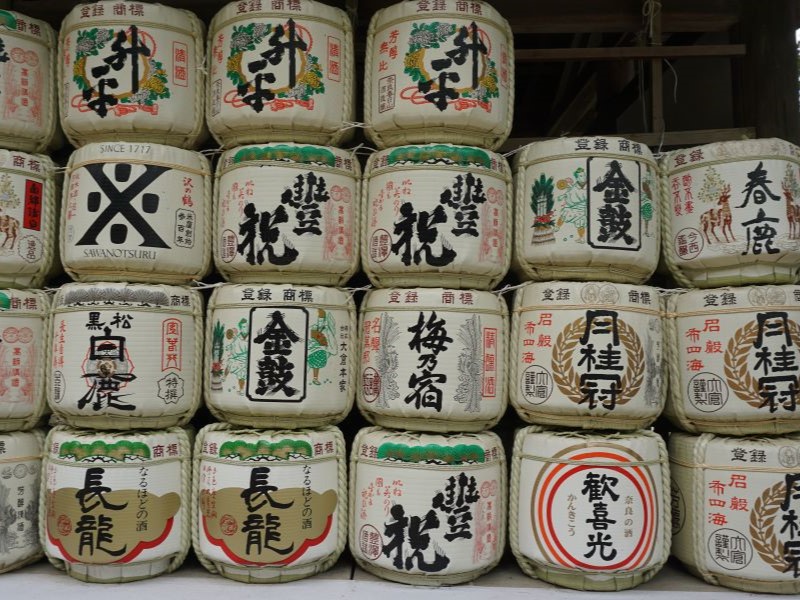
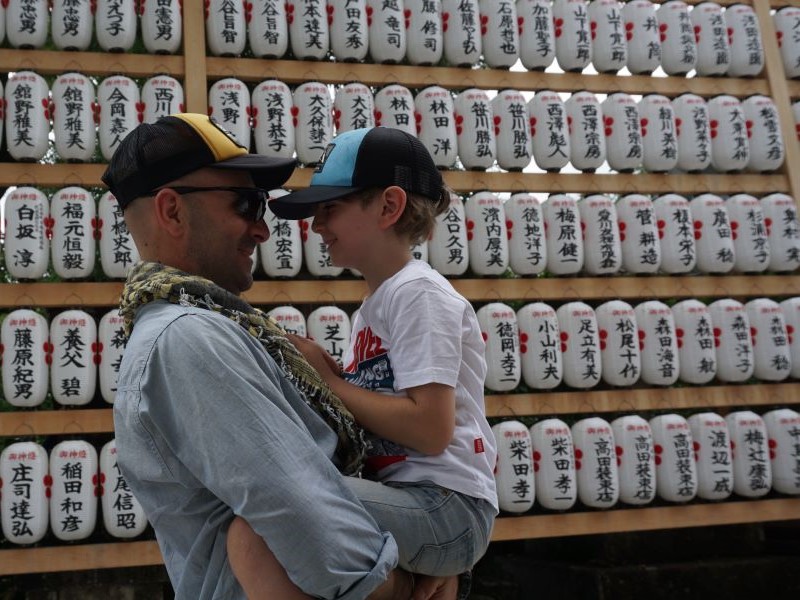
Along a picturesque forest path, we reach Kasuga Taisha, the picturesque shrine of three thousand lanterns, also nestled in the verdant Nara Park among its sacred deer and fallow deer. According to local legend, they are considered divine messengers and national treasures.
Children can offer them shika-senbei (rice crackers)!
Before leaving, we admire the imposing Kofuku-ji (five-story pagoda), considered one of the symbols of Nara.
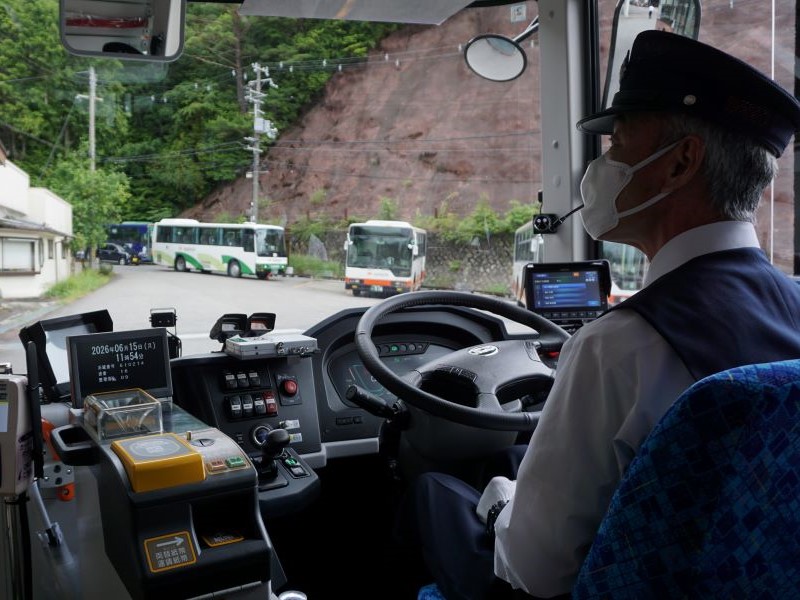
We take a train, a cable car, a bus to reach Mount Koyasan.
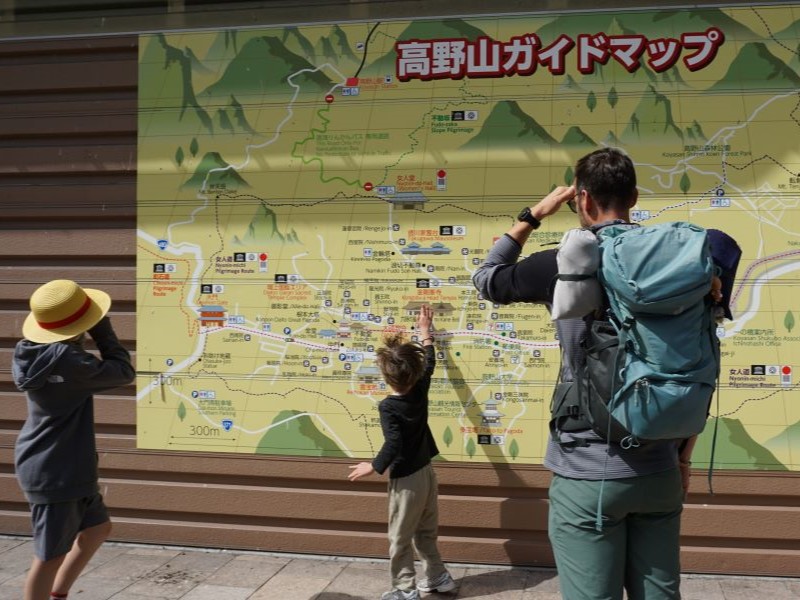
Koyasan is a plateau covered in dense forests and surrounded by eight peaks!
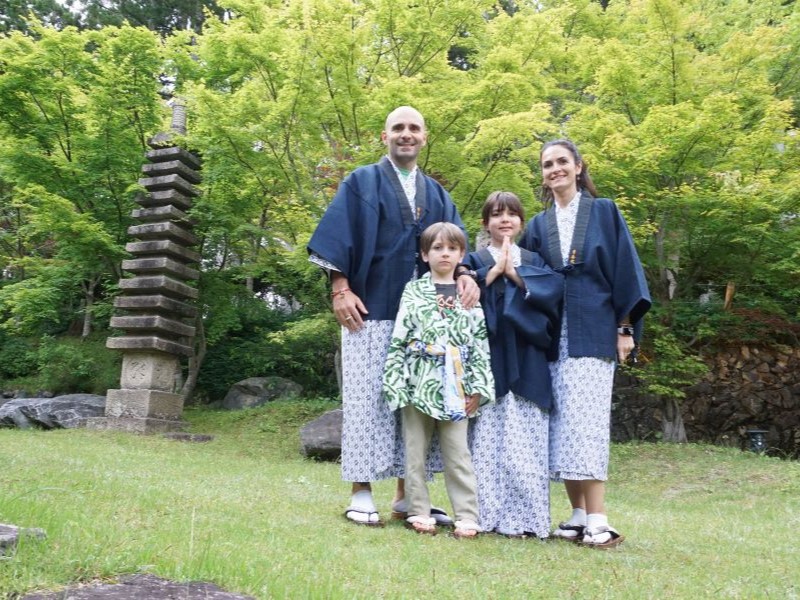
What draws people here is the monastic complex, home to the Shingon school of Buddhism. Here, you have the opportunity to stay in a temple and experience the ancient traditions of Japanese monastic life in a shukubo (old guesthouse).
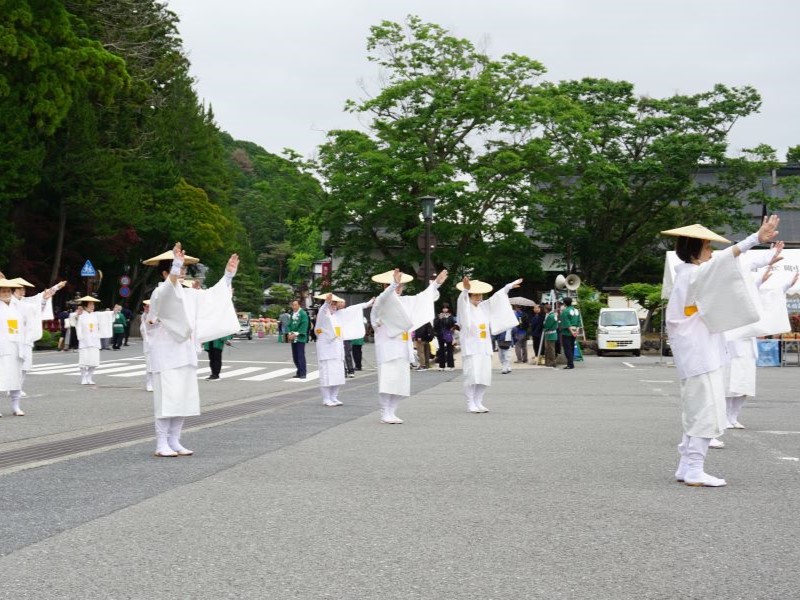
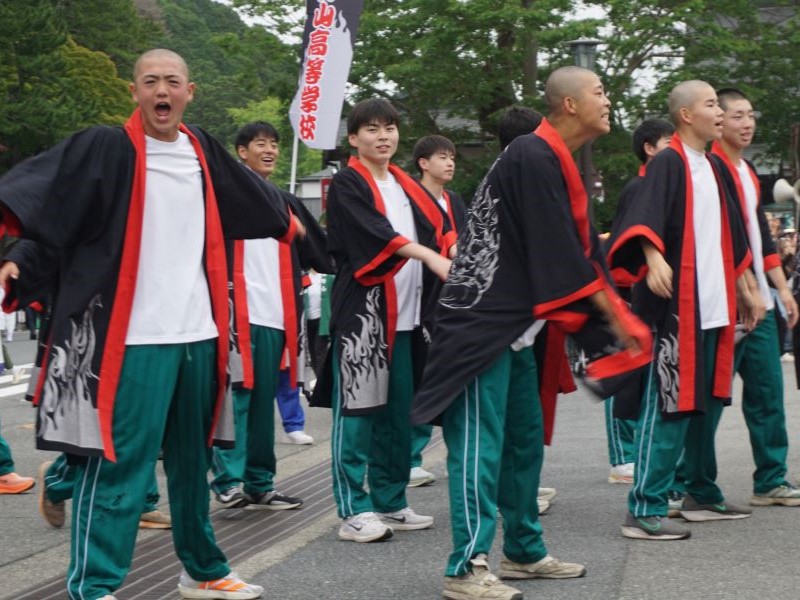
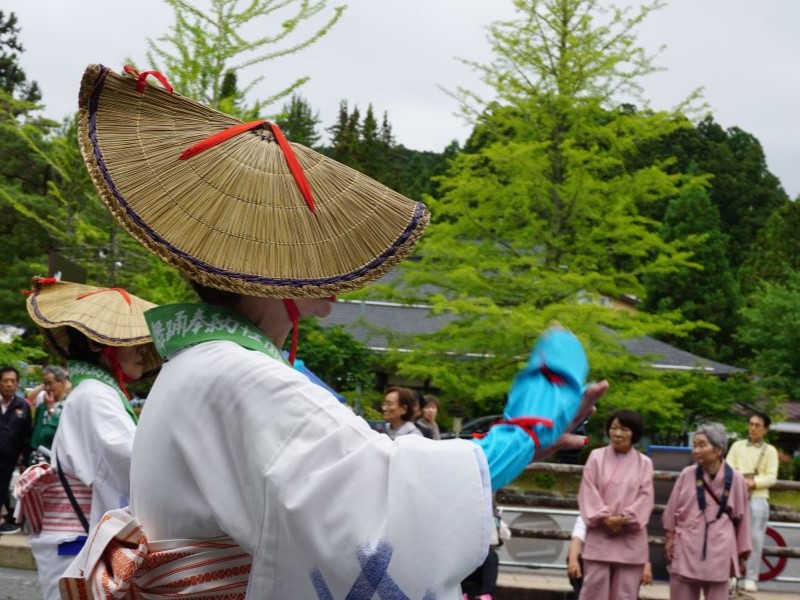
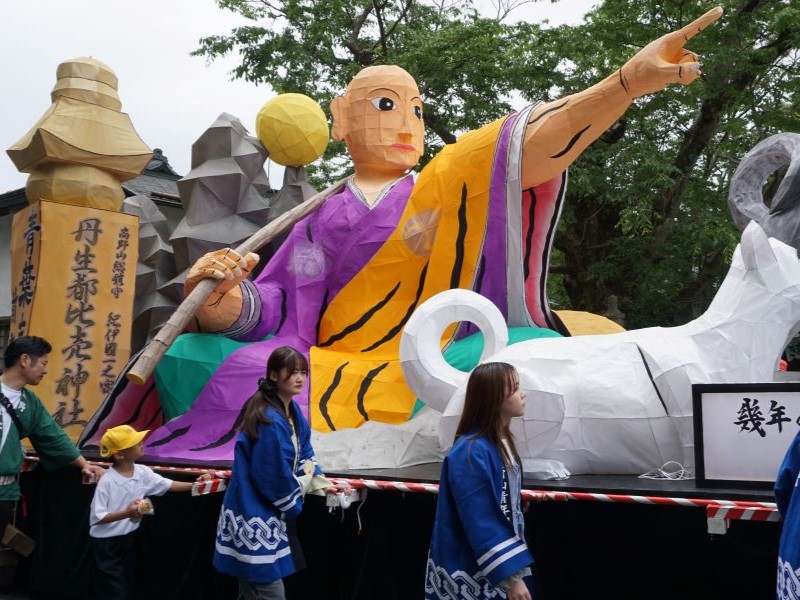
We happened upon it during the Aoba Matsuri, the festival that celebrates the anniversary of the birth of Kobo Daishi, for this anniversary various traditional ceremonies are held in temples throughout the city. It was very exciting to admire these old ladies in colorful traditional dresses slowly dancing in the parade.
Koyasan is rich in sacred temples, many of which are UNESCO World Heritage Sites, and it's incredibly evocative to visit them, especially at night, when the darkness further shrouds these ancient sacred places in mystery. And if you're accompanied by a monk, as we were, everything becomes even more unforgettable!
We end the evening with a warm and regenerating onsen while the gong of a distant Buddhist bell rings out every now and then.
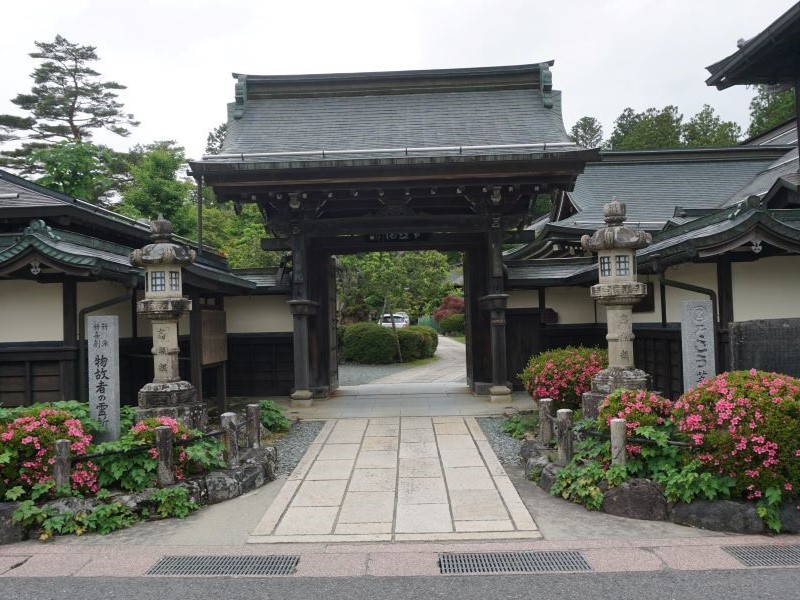
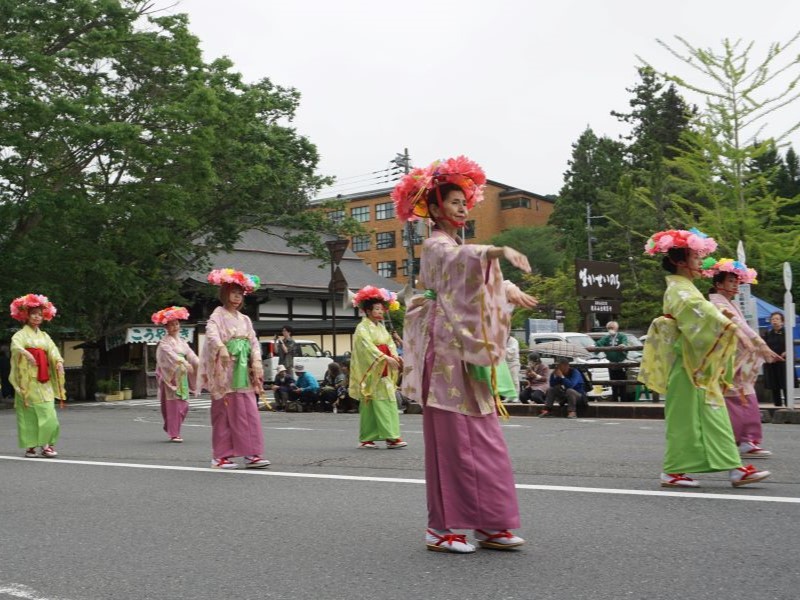
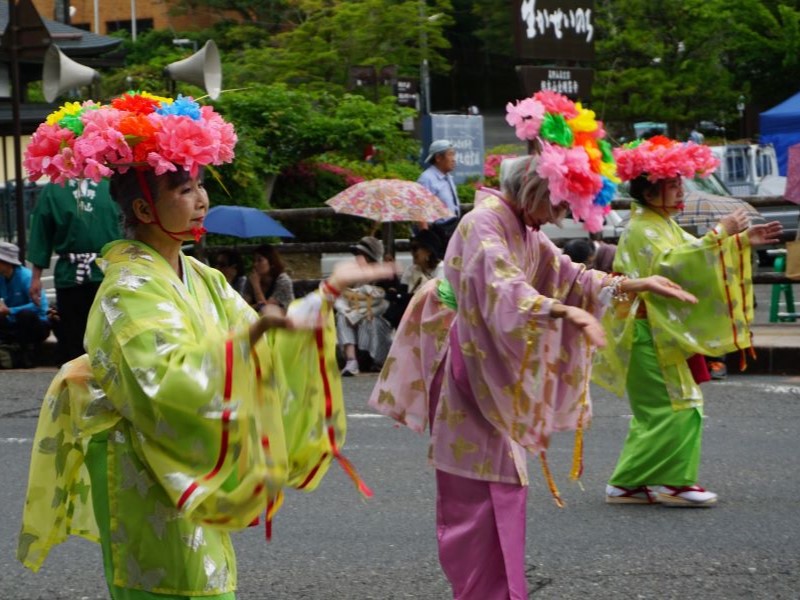
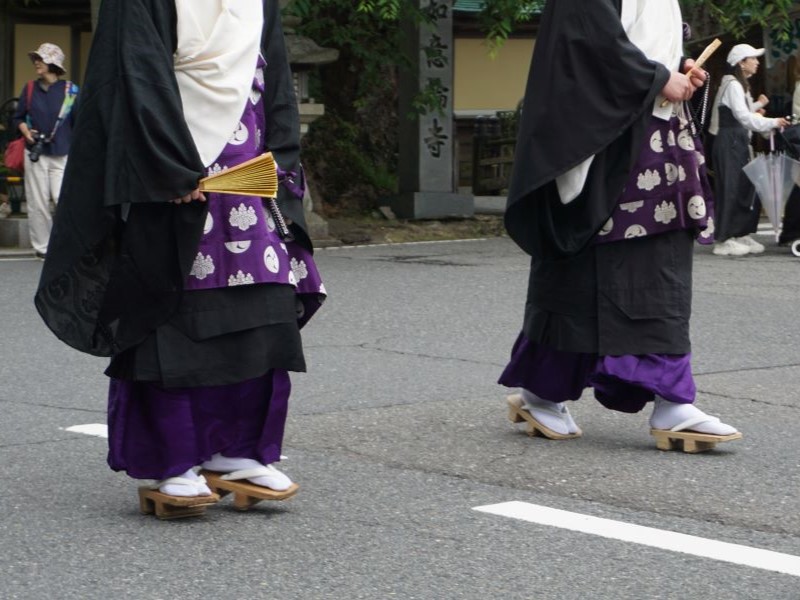
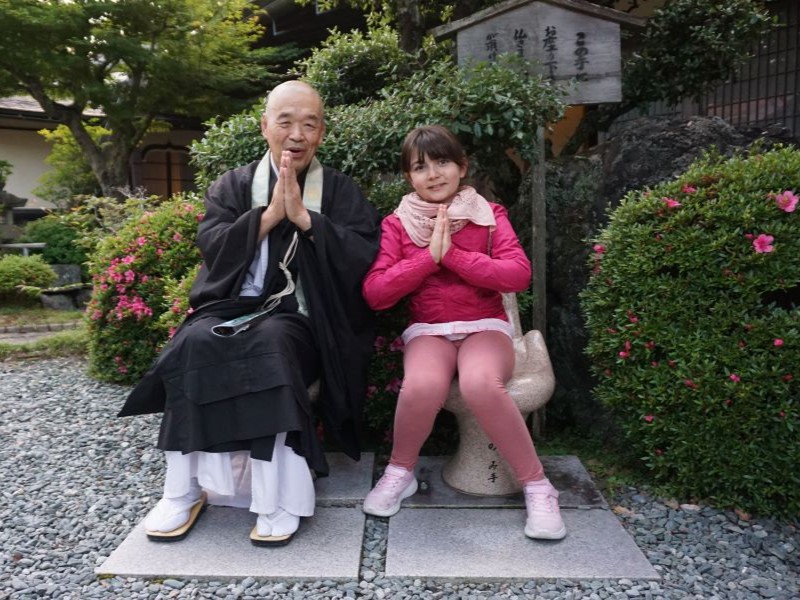
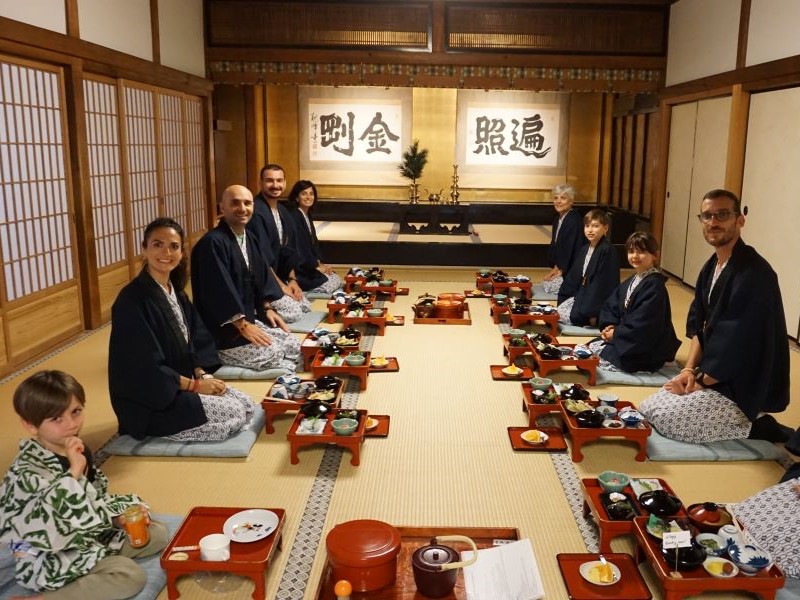
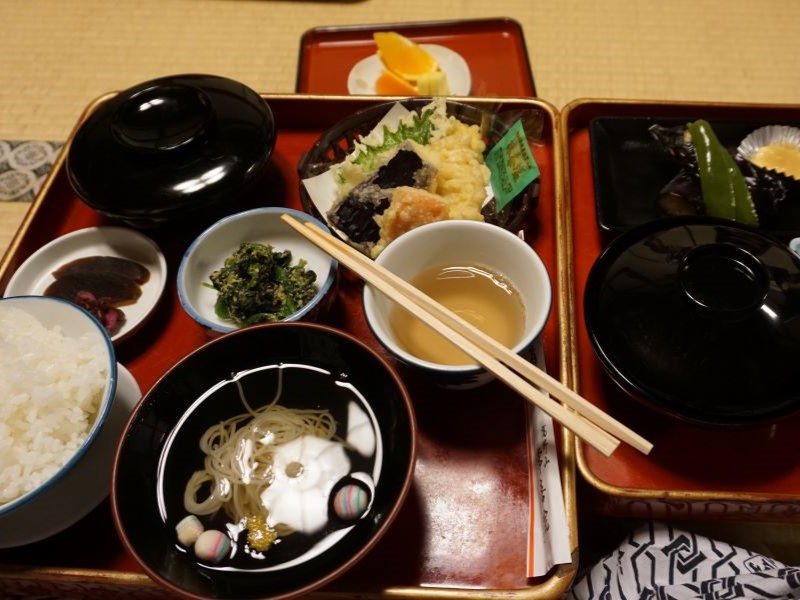
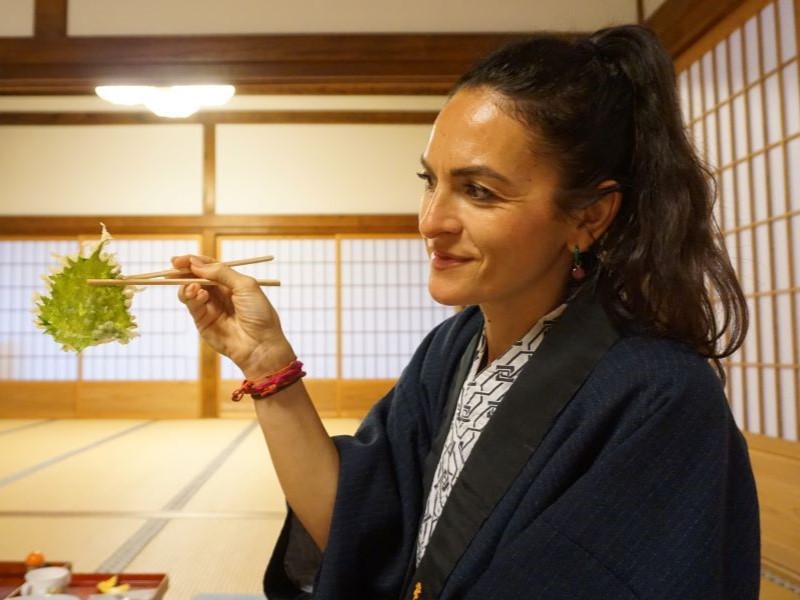
The alarm clock here rings very early because at 6:00 there is the prayer in the Jokiin temple with the Buddhist monk… this too is a very emotional moment and, as often happens, we are enchanted by observing their daily life.
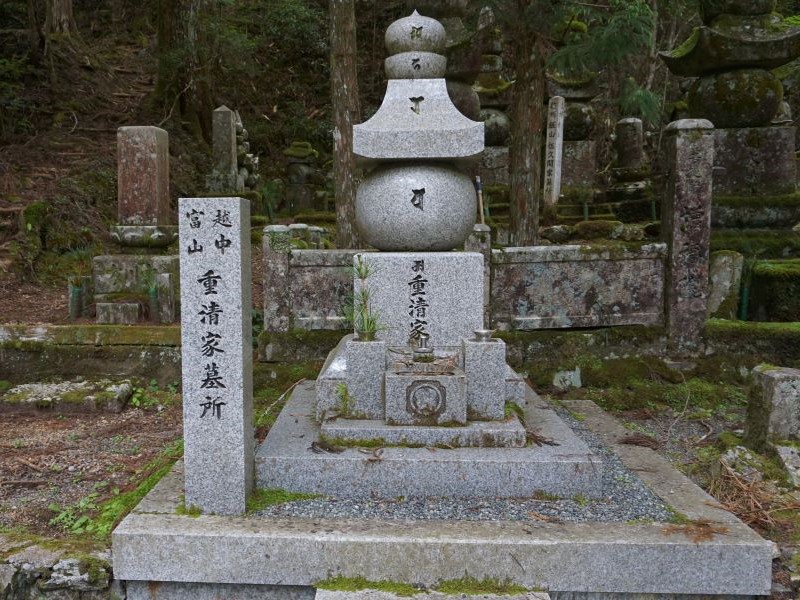
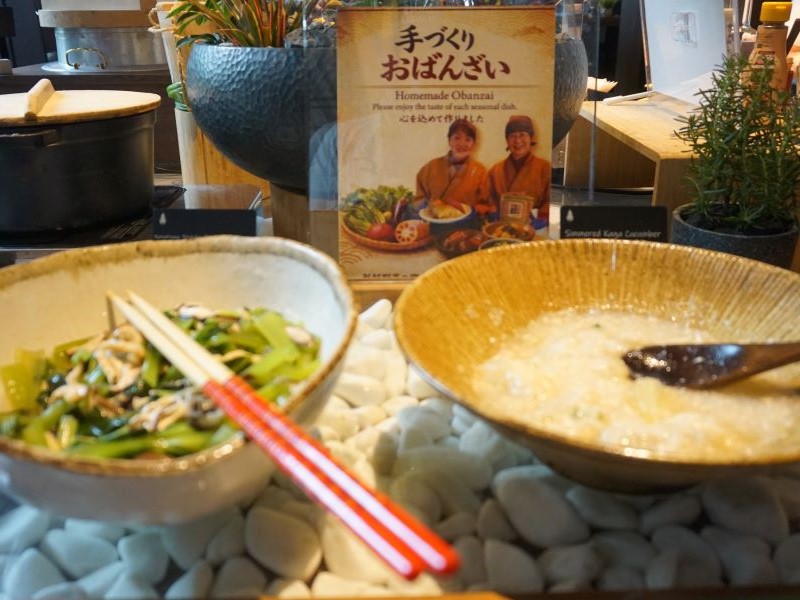
After a typical breakfast, with steamed vegetables and many other things we haven't quite identified, we set off to discover the most important monument Oku-no-in, the Koyasan cemetery.
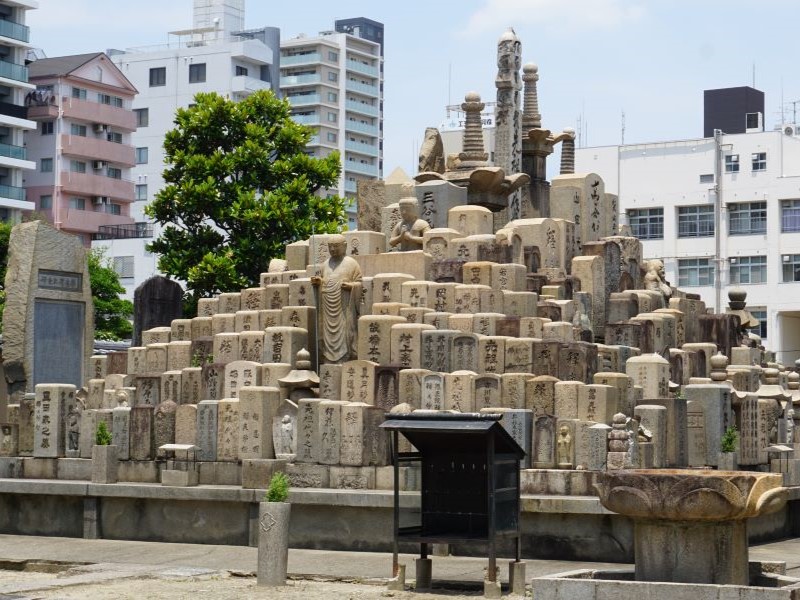
After crossing the Ichi-no-hashi bridge, you enter the cemetery complex along a charming cobbled path lined with tall cedars and thousands of tombs. At its end is the Toro-do (Lantern Temple), which houses hundreds of lanterns, including two said to have burned continuously for over 900 years!
Kongobu-ji. It is the seat of the Shingon school and the residence of the Abbot of Koyasan.
Kongo Sanmai-in. Another UNESCO World Heritage Site and the country's oldest wooden temple.
We are ready to leave by bus for beautiful Kyoto
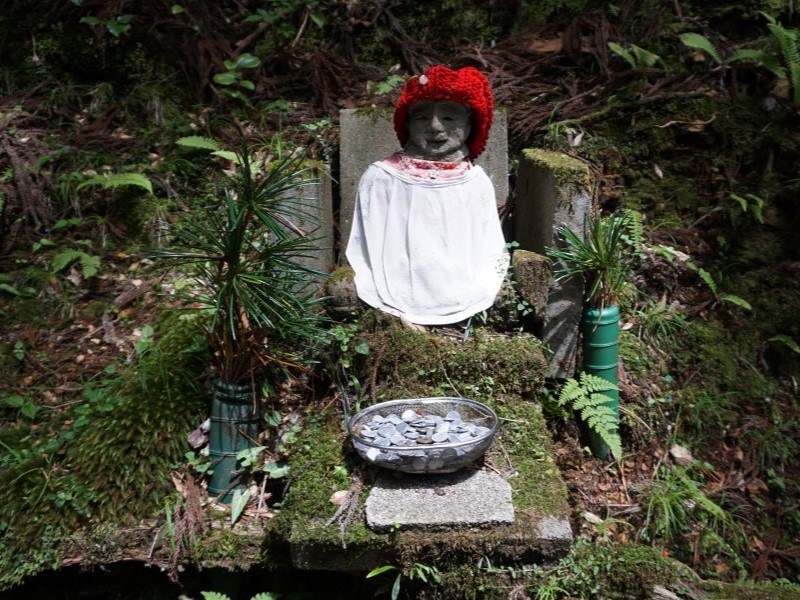
With a very comfortable bus from Koyasan we easily reach beautiful Kyoto.
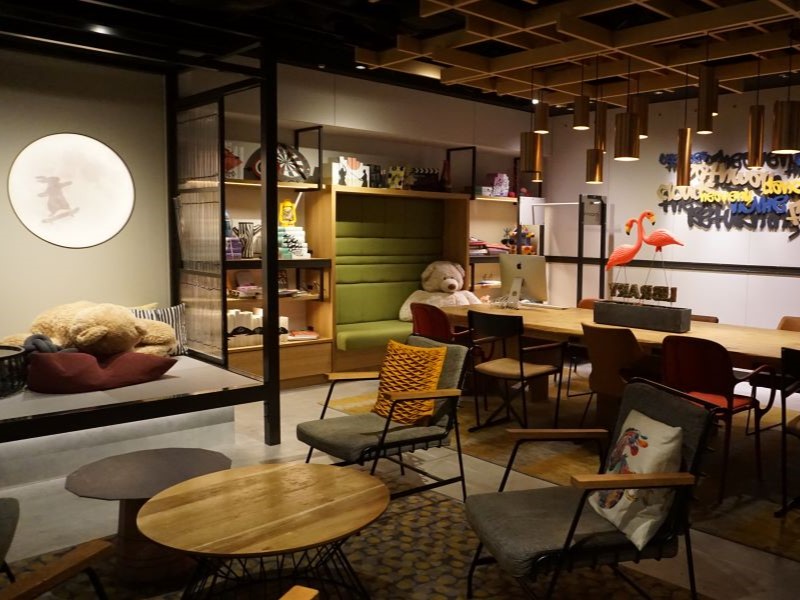
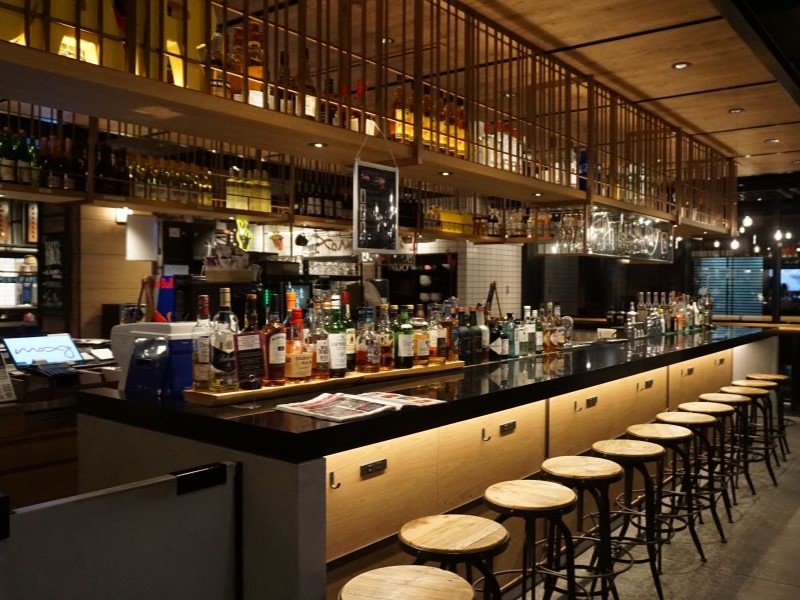
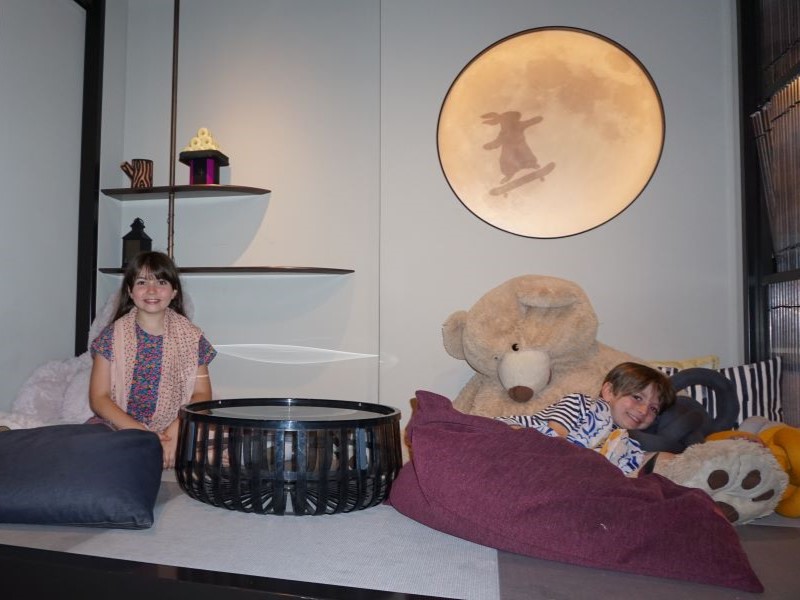
Here we will stay at the Moxy Kyoto HotelThe vibrant, youthful spirit of an international chain in the heart of Japan's ancient capital. Refined design, a cool atmosphere, and all the energy of Kyoto just steps from your room. We'll be spending three nights here, and it's definitely our recommendation.
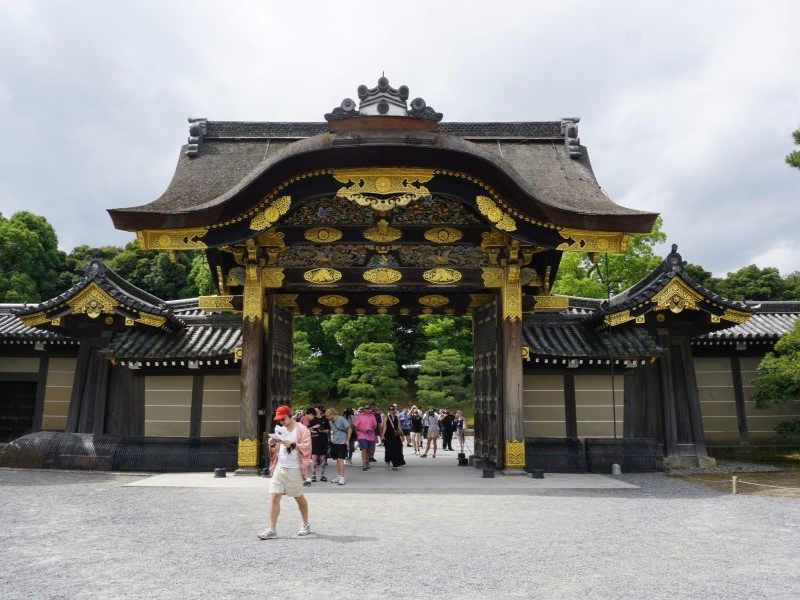
Our hotel is just steps from Nijo Castle, built in the 17th century as the residence of the first shogun in a very sumptuous building whose distinctive feature is its special "nightingale" floor to protect against potential disloyalty by its subjects, in fact it creaked at the slightest pressure to ward off intrusion.
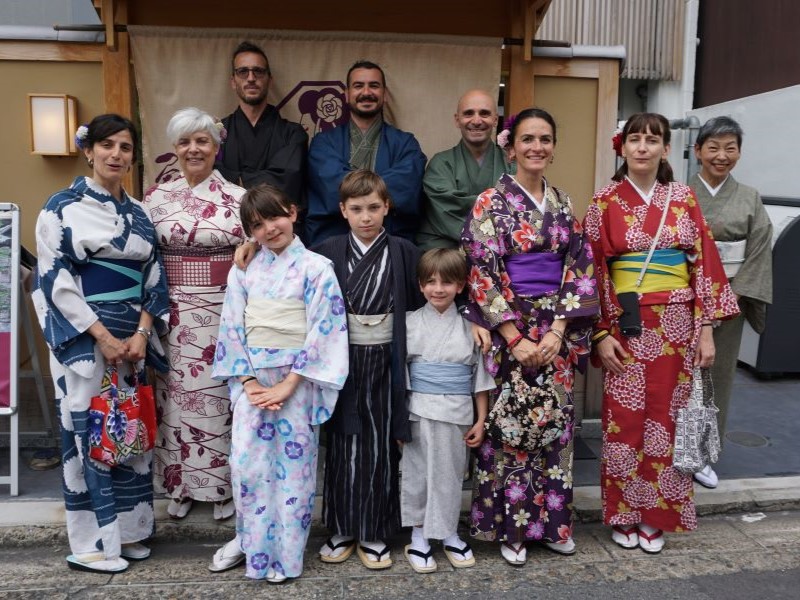
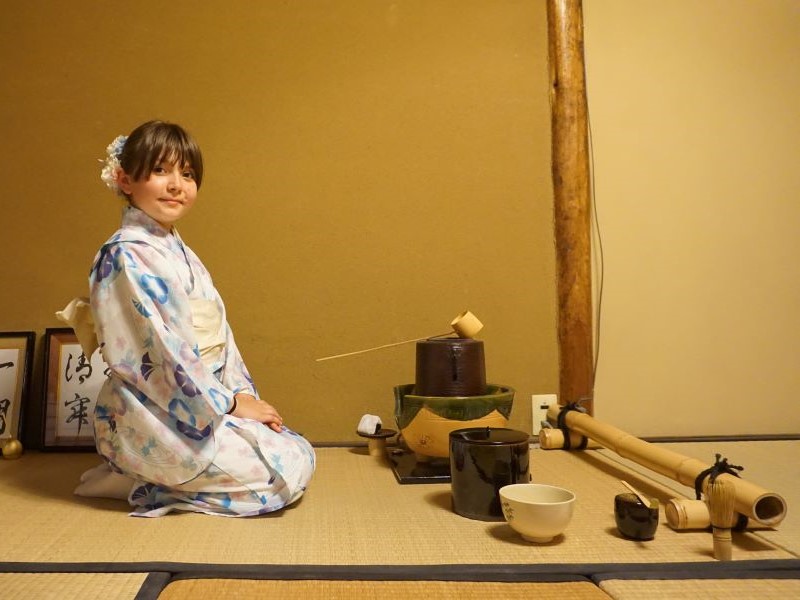
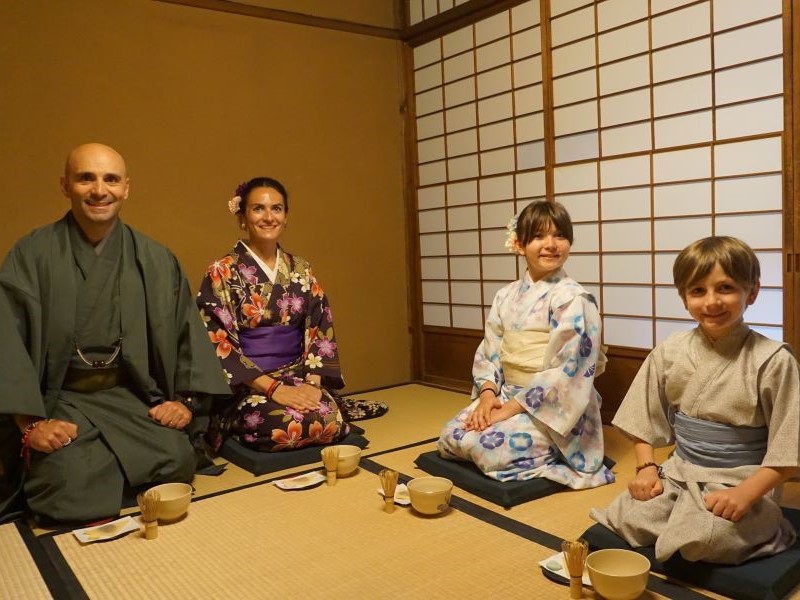
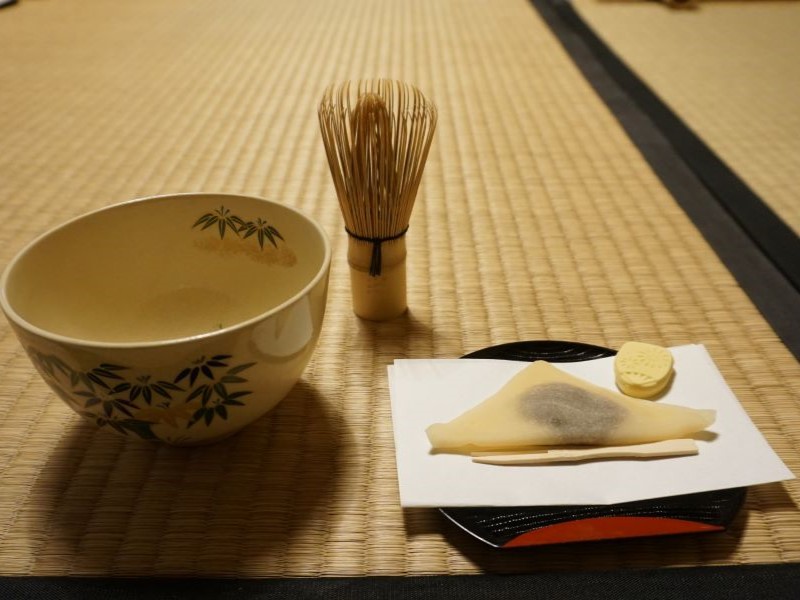
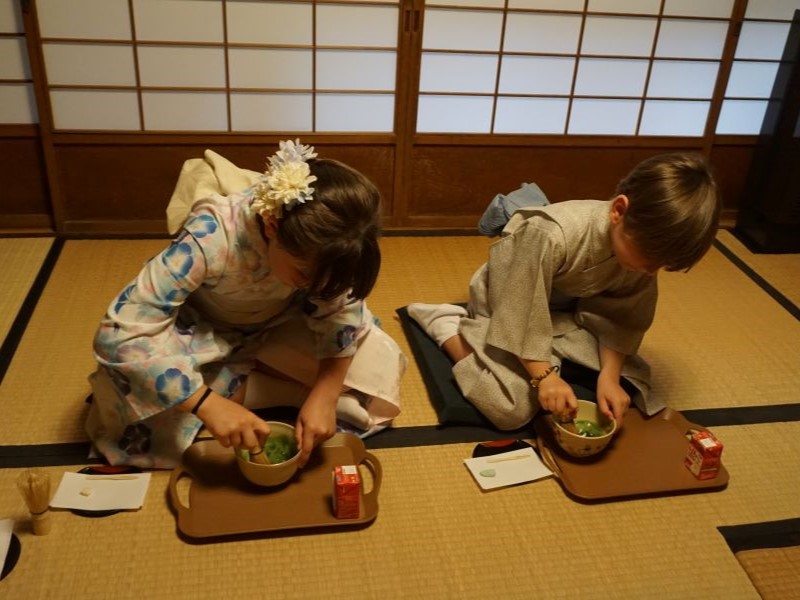
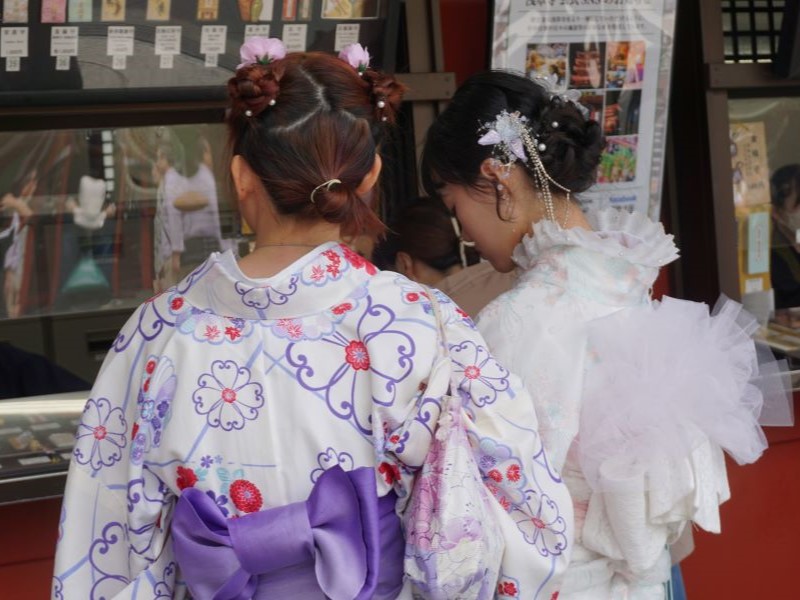
Not far away is the Nishiki market, a paradise for street food lovers, until you reach the Maikoya Karasuma Shijo to witness one of the most sacred rituals of this country: the preparation of matcha tea. We did so after experiencing the thrill of wearing traditional kimonos, enchanted by the grace and precision of our host Tomoko. An ancient ritual of slow movements, bitter matcha, and the scent of tatami: dreamy eyes, calm breathing, and the sensation of living and touching something ancient. Truly an experience recommended even for the little ones, who will have the opportunity to witness something from another era!
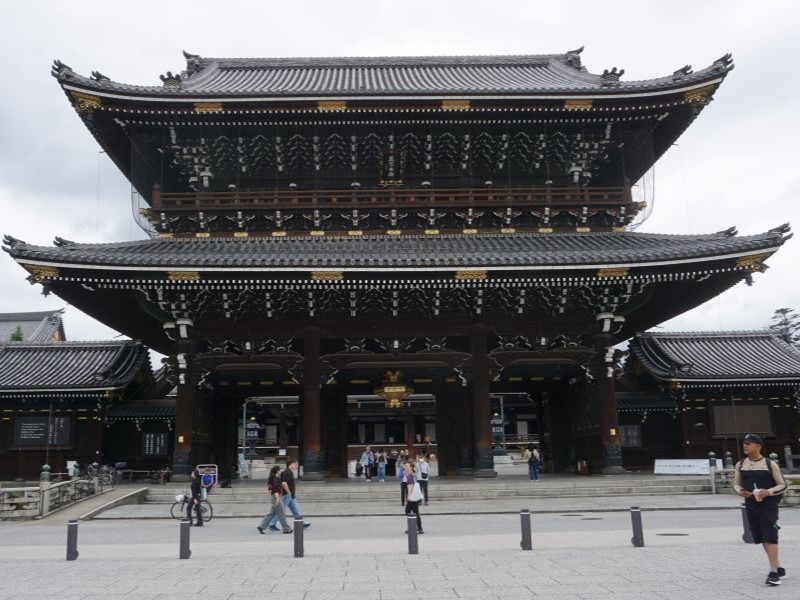
Higashi Hongan-ji. A Buddhist temple founded in the 17th century, it was completely renovated in the late 19th century after several fires. Today, it is home to the monks of the Jodo Shin-Shu school. In the corridor between the two main buildings, in a glass case, is a giant coiled rope made of human hair. After a fire devastated the temple, several pious women donated their long locks to weave the rope used to hoist the wooden planks used for the reconstruction.
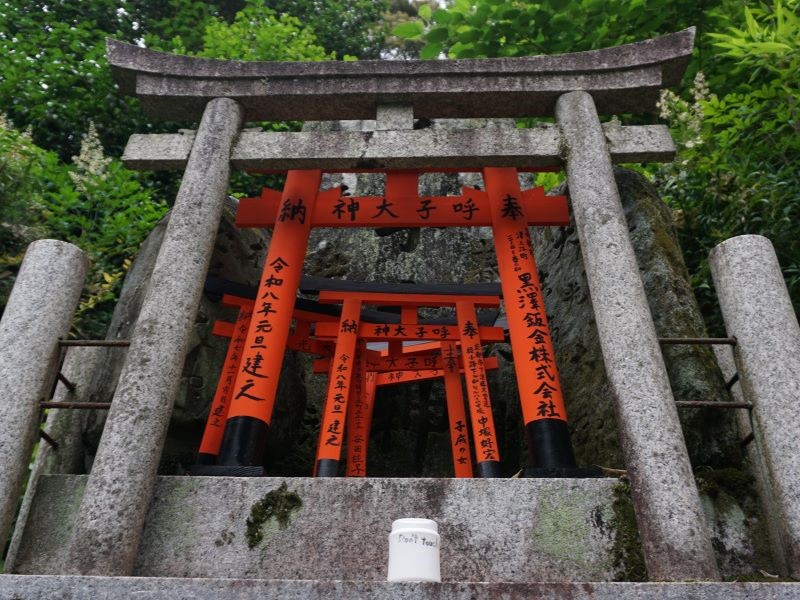
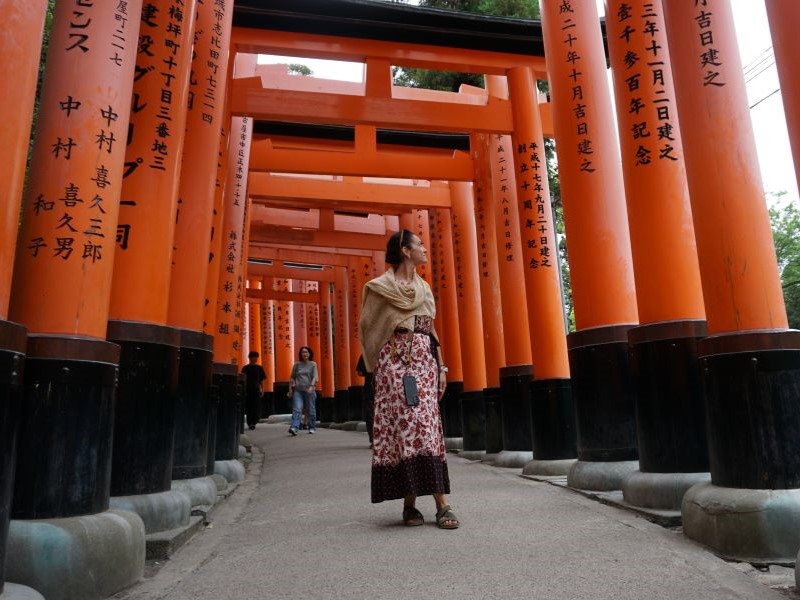
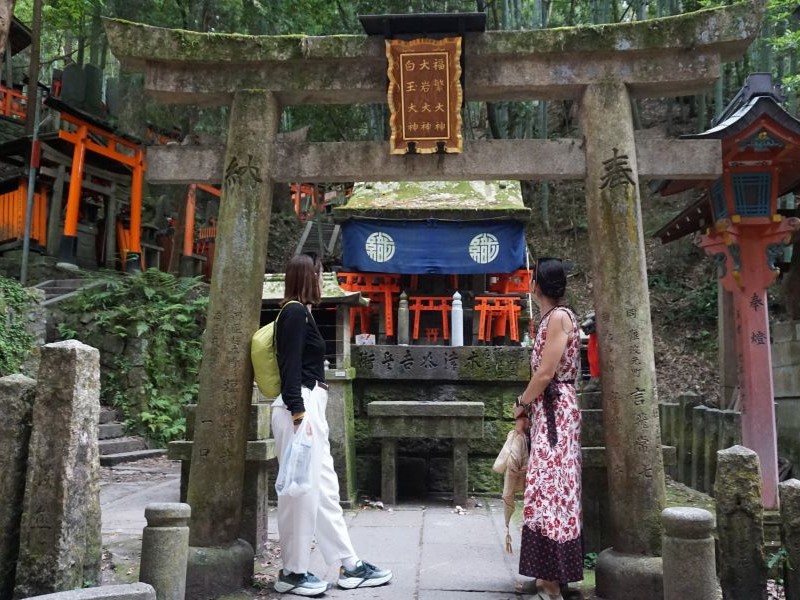
Fushimi-inari Taisha. This charming shrine was dedicated to the deities of rice and sake in the eighth century, but with the decline of agriculture, the gods were assigned the role of protectors of trade.
The complex extends along the wooded slopes of Inari-yama, a 4km path lined with hundreds of red torii (entrance gates to Shinto shrines).
Every single torii gate is a donation, with the names of the donors engraved on the back. There's even a years-long waiting list to donate one. Statues of foxes with golden keys in their mouths guard ancient secrets and the wishes of the faithful.
At sunset, the crowds fade, leaving room for lit lanterns that create a magical, ghostly atmosphere. It's a very interesting and picturesque route, perfect even for the littlest ones, who will enjoy hiding among the torii gates and hopping along the various paths.
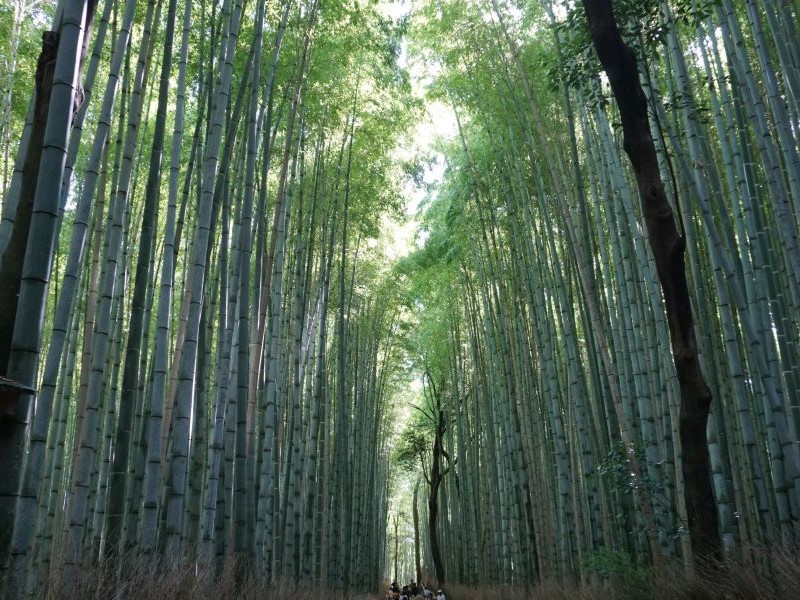
Arashiyama. Exploring its green hills in search of hidden temples, you'll understand the charm of this area. The bamboo grove is, of course, impressive.
Walking among the tall bamboo trunks, which sway in the wind, is like being in another world. Lose yourself among its thousand temples and viewpoints, the picturesque views where you will take some of the most beautiful photos of your trip to Japan.
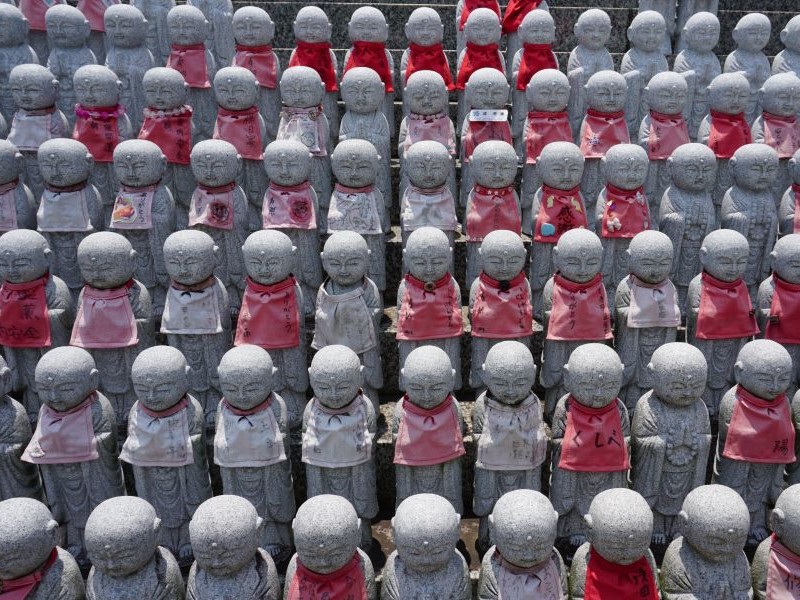
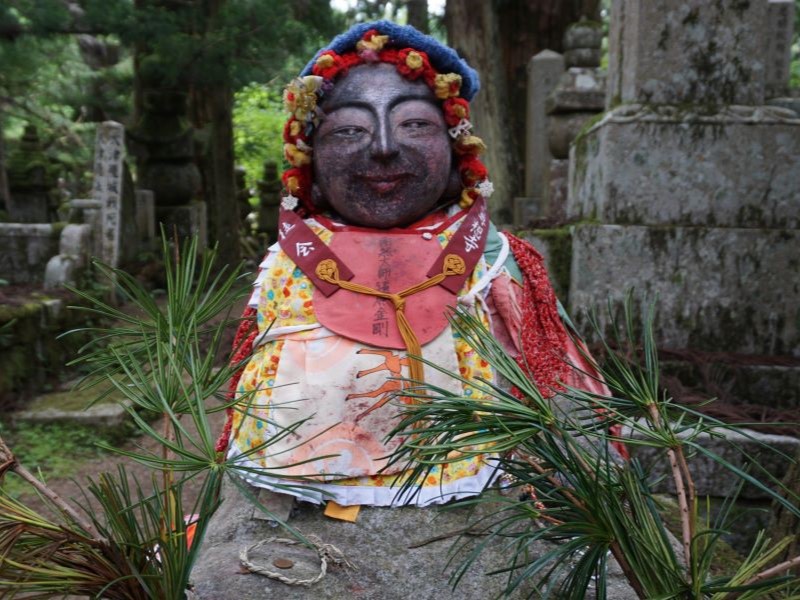
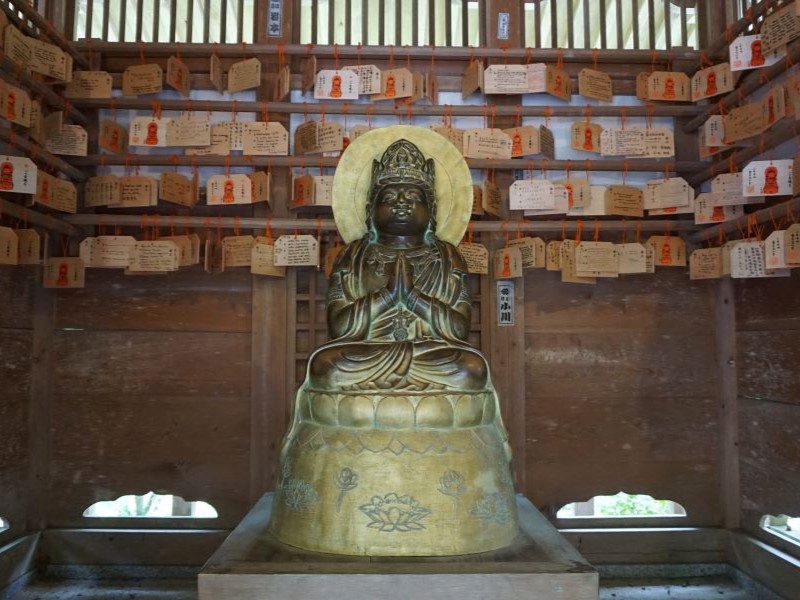
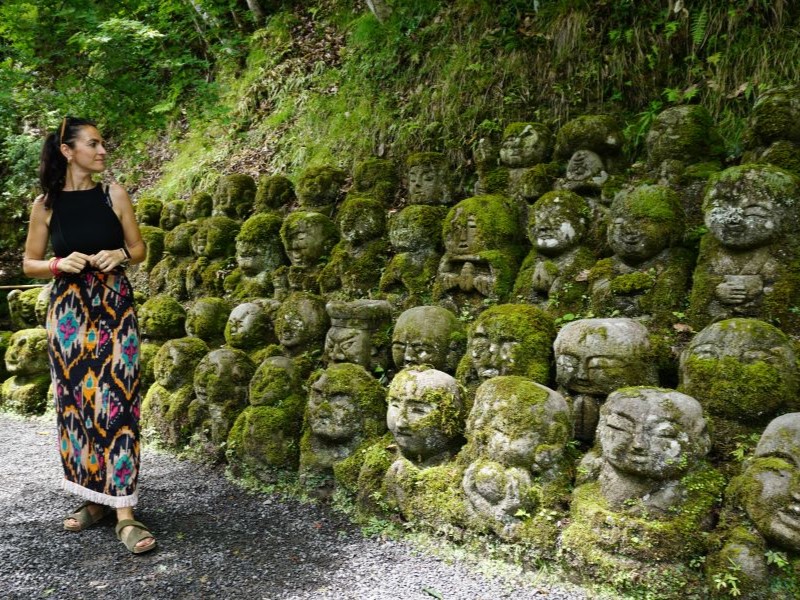
I was particularly struck by the Otagi Nenbutsu-ji Temple (the temple of 1200 rakan), statues of Buddha's disciples, each sculpted by a different pilgrim, so no two are alike. Few visitors make it this far, so you'll be able to enjoy it without the crowds, and it's perfect for children, as the funny, mossy statues are an irresistible attraction.
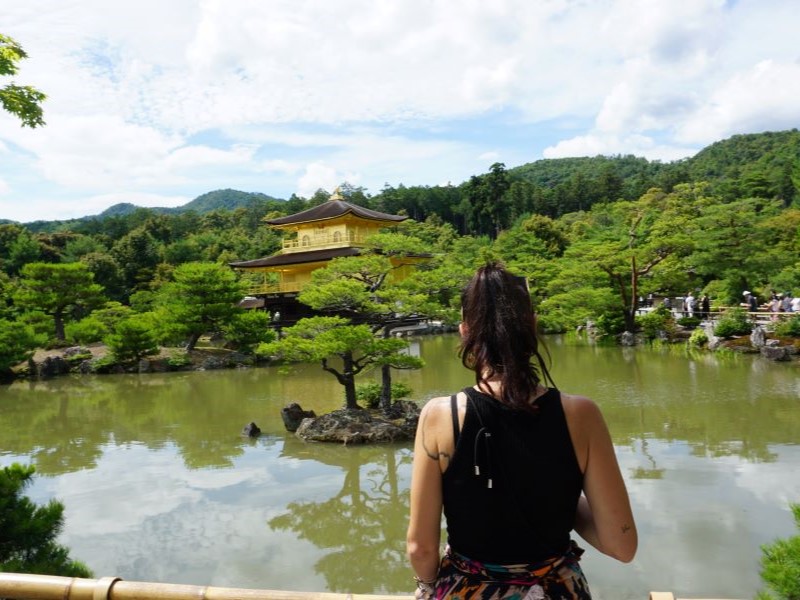
Kinkaku-ji. The famous Golden Pavilion is one of the city's symbols. It was built in 1397 as the residence of the Shogun of the time and later transformed into a temple by his son. In 1950, a young monk put an end to his obsession with the temple by burning it. It was later rebuilt with a gold leaf covering five times larger.
We end the day wandering around the Gion district.
This is the famous geisha district. Now highly touristy, crowded, full of bars, traffic, and shops. Its historic charm can still be seen in some charming and orderly corners, in some alley or street where, if you're lucky, you might encounter a maiko briskly walking to a teahouse or the theater.
Stroll through Hanami-koji or Shinbashi, marvel at the Kenin-ji or Nanzen-ji temples, sample the ubiquitous street food, and above all, try to enjoy this part of the city that, a few decades ago, was undoubtedly the most picturesque, artistic, and traditional in all of Japan, a place whose memory remains only thanks to the presence of the maiko and geisha.
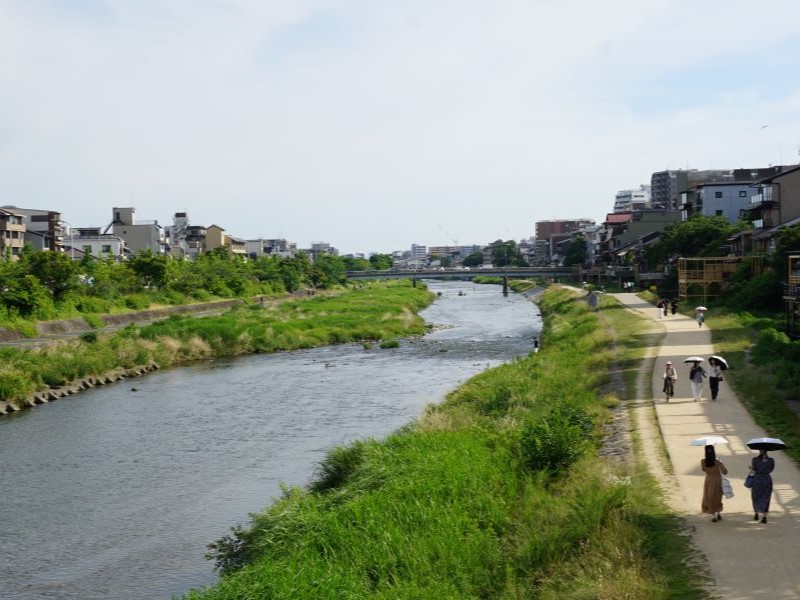
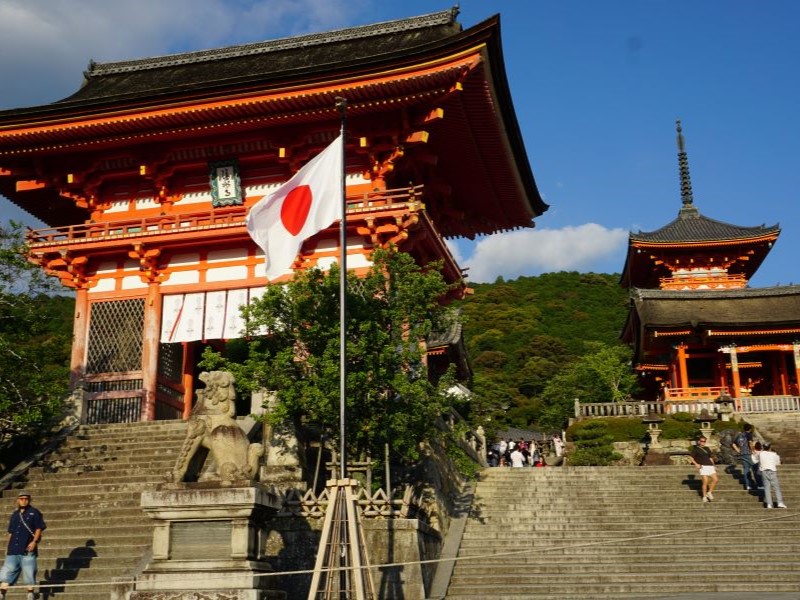
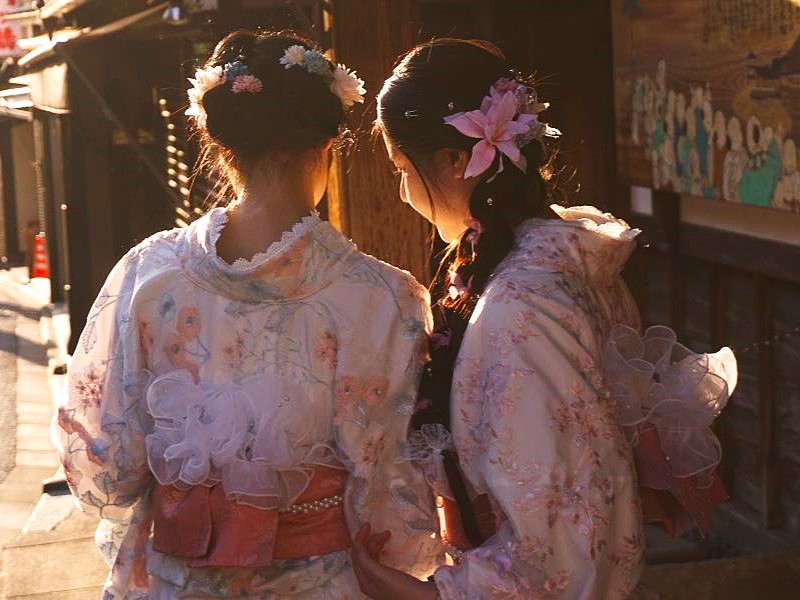
We leave romantic Kyoto for Kanazawa, via Tsuruga, aboard a lightning-fast Thunderbird. What precision, what elegance, and what cleanliness.
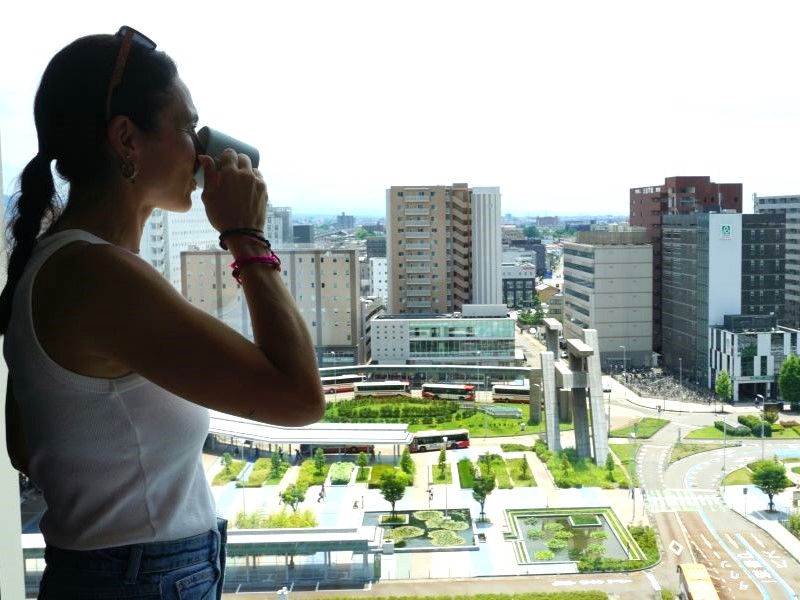
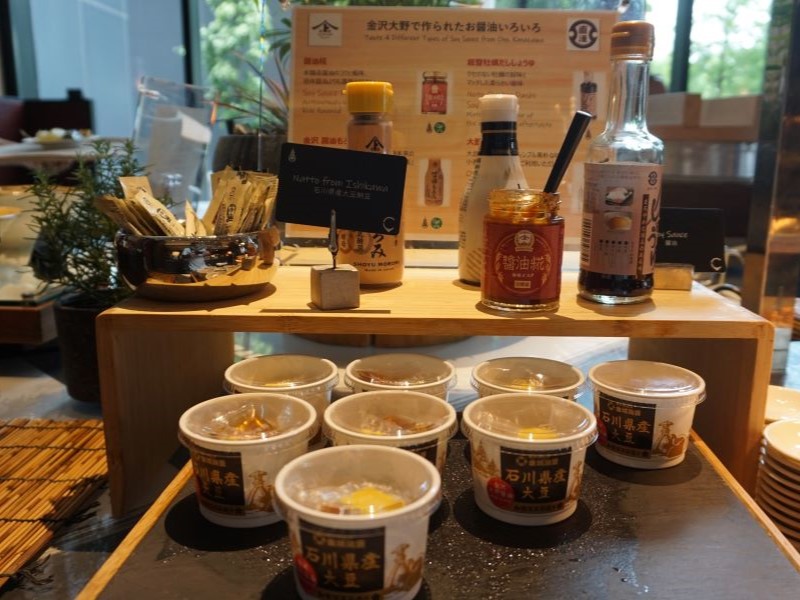
In a couple of hours we reach Kanazawa, we will stay at the wonderful Hyatt Centric Kanazawa, right in front of the city's train station! A very modern hotel that celebrates the city's culture, famous for its geisha and samurai heritage.
The rooms are finely decorated with local artwork inspired by Kanazawa's rich cultural history. The staff is very warm and welcoming, and the room is simply divine, with a large window overlooking the surrounding square.
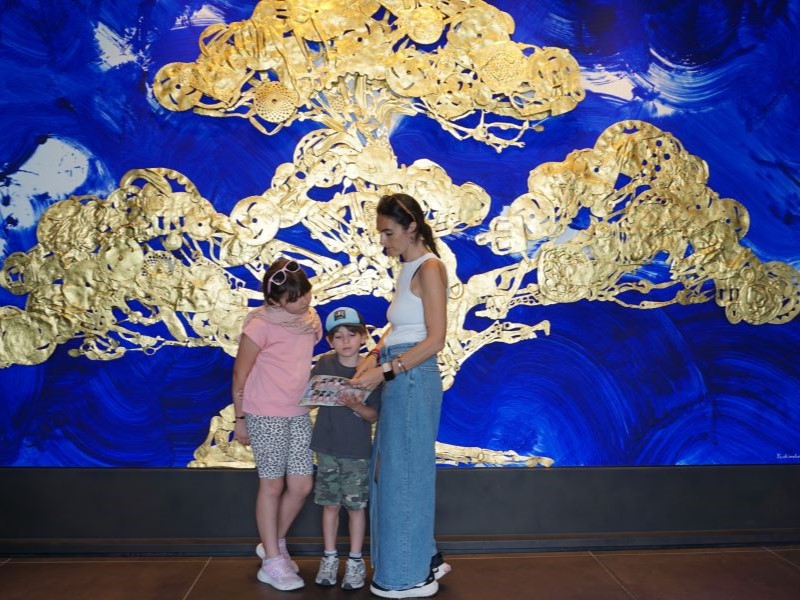
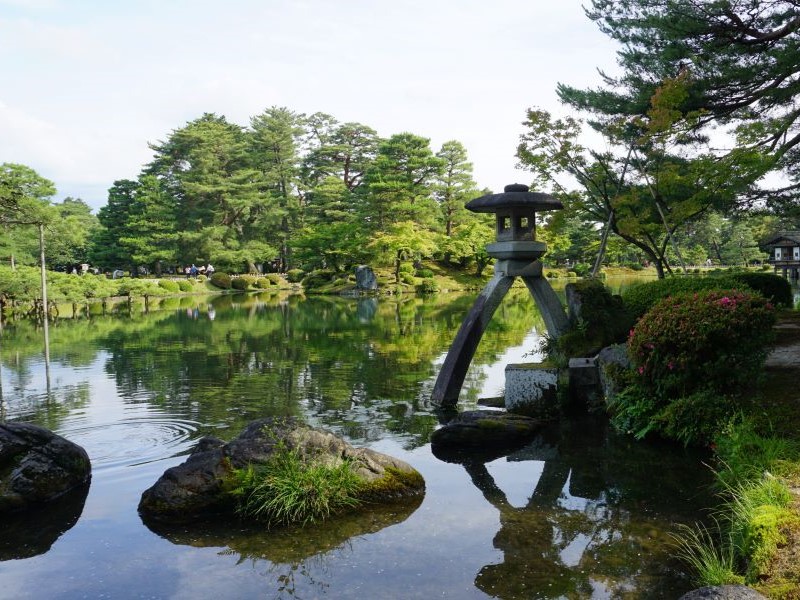
The star of Kanazawa is Kenroku-en, its stunning ancient Chinese-style garden that evokes the six characteristics of perfection: location, seclusion, spaciousness, artificiality (faithful copy of nature), antiquity, abundance of water, and wide views.
Kanazawa Castle. The castle's roofs are covered with lead tiles because in the event of a prolonged siege, they could be melted down to make projectiles.
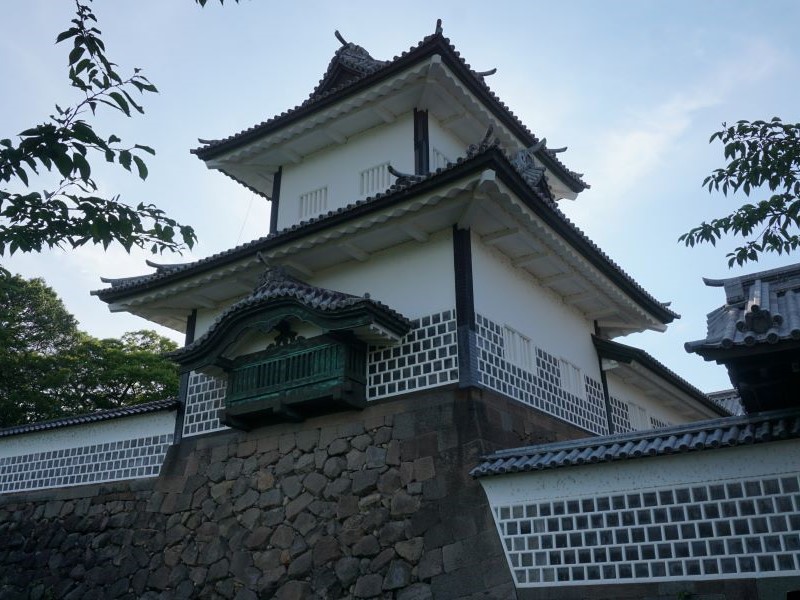
Not far away is the Nagamachi (samurai) district, with its very picturesque views that immediately take your imagination back to the samurai era.
We visit the former home of the Nomura samurai, who lived here from 1600 to 1800. Inside, you can admire various historical artifacts, including samurai armor, swords, period coins, and numerous paintings on the sliding doors. Its crowning glory is the garden, which instills a sense of peace with its small pond, giant carp, moss-covered stones, and the relaxing atmosphere that pervades.
Finally, don't miss the opportunity to visit the Higashi Chaya (geisha district)—literally, the eastern teahouse district. Here, nobles and wealthy merchants were entertained by geisha with traditional music and dance.
Today, these houses are still in operation, but they are exclusive and accessible by invitation only! Thanks to them, this ancient traditional art form is kept alive.
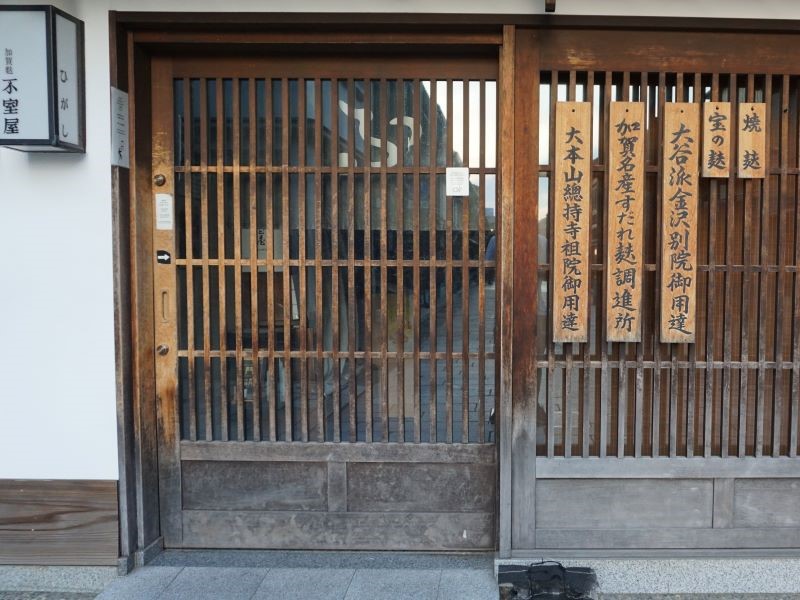
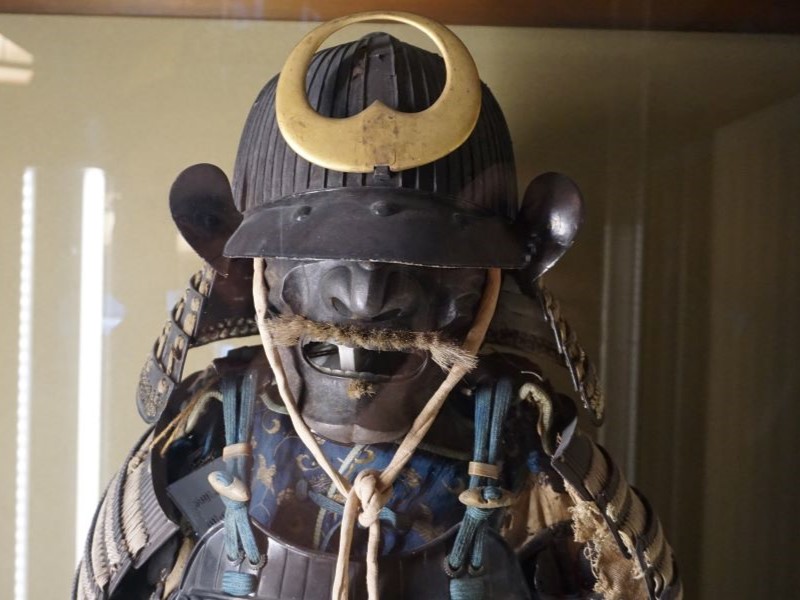
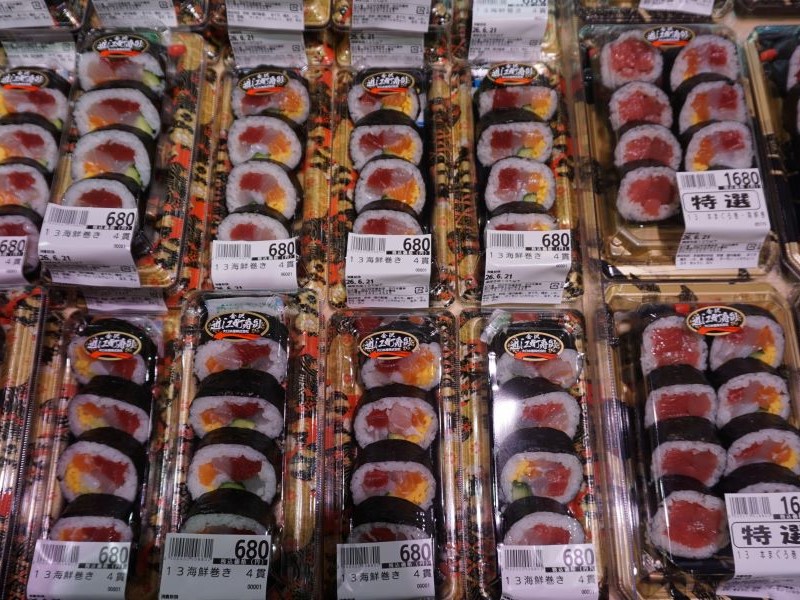
Omicho Market (Kanazawa's kitchen). It's been around since the mid-1700s and is a maze of covered alleys with over 200 shops and stalls. Most sell fresh seafood, with stalls brimming with giant crabs, sweet shrimp (amaebi), and oysters. We stopped for some super-fresh sashimi and some excellent sushi!
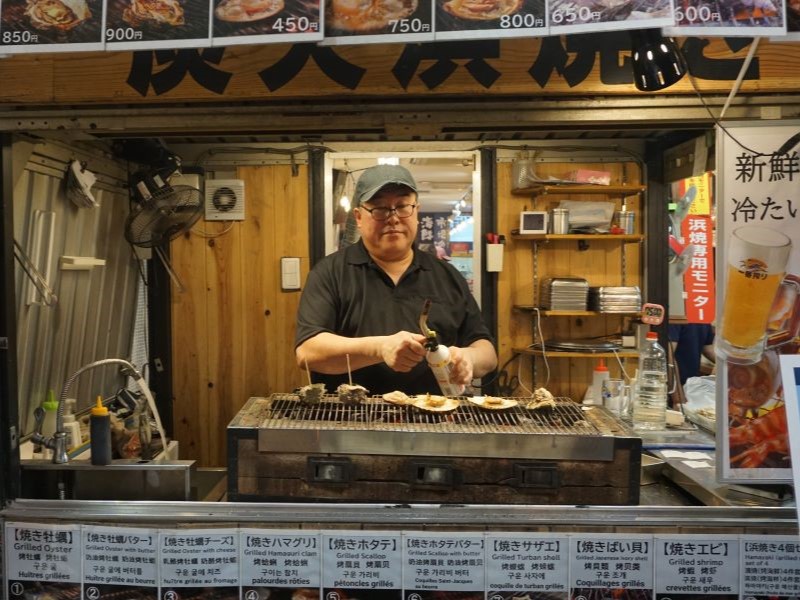
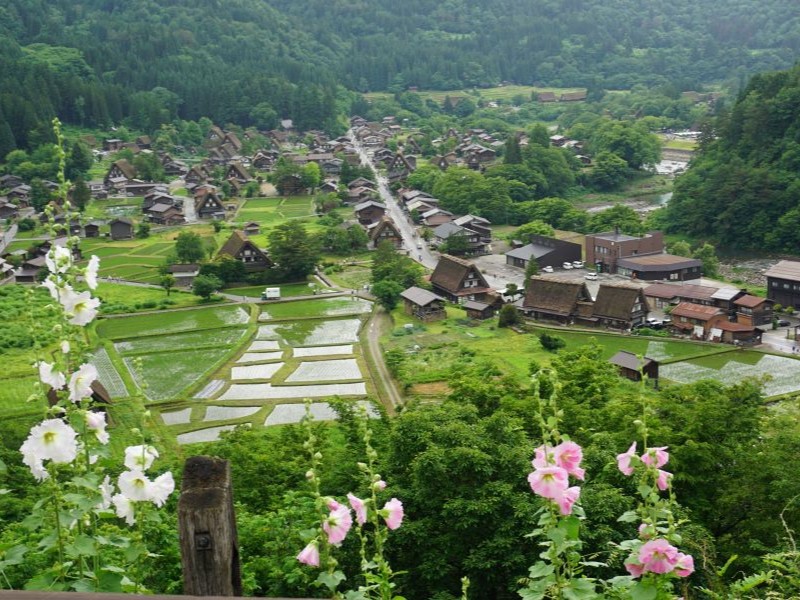
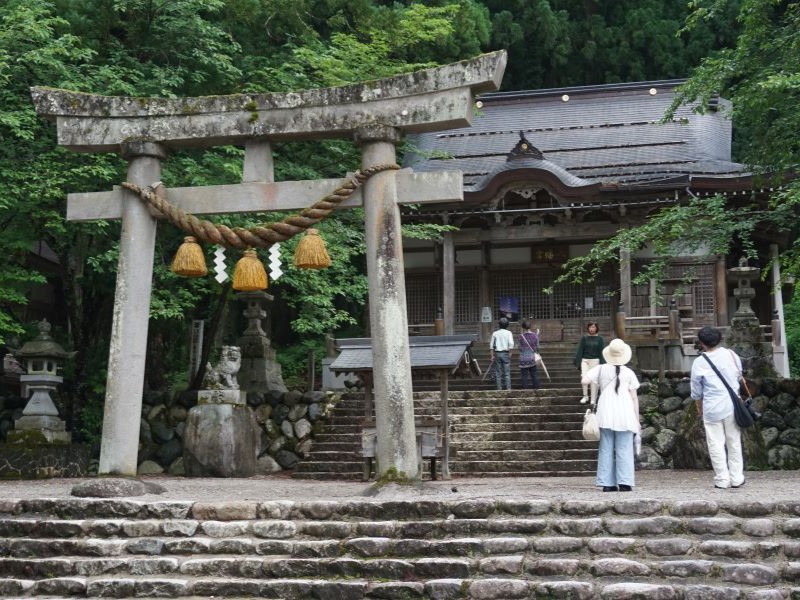
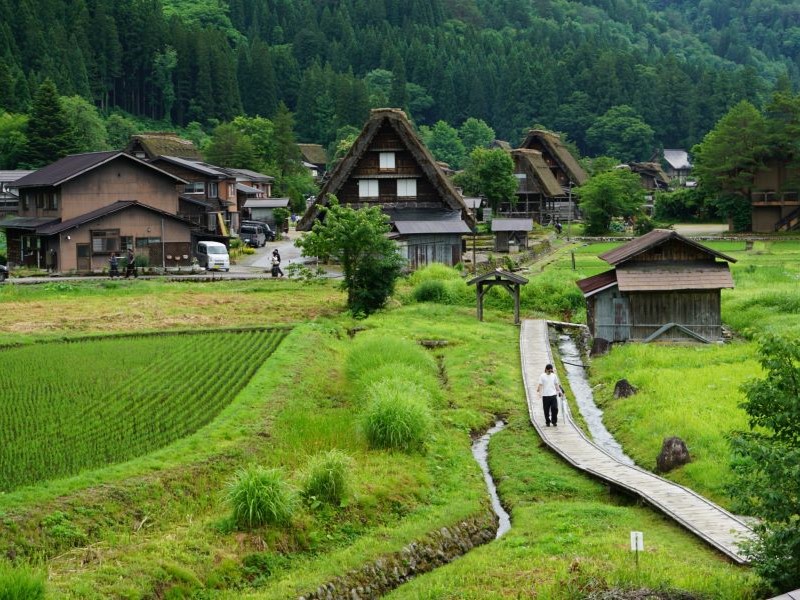
An hour's bus ride from Kanazawa takes us to the small village of Shirakawa-go. These remote regions, nestled among picturesque mountain views, are best known for their farmhouses with gabled thatched roofs, built in a style known as gassho-zukuri. Shirakawa-go is a must-see for anyone visiting this area, and I recommend stopping by as a day trip on the Kanazawa-Takayama route!
As soon as you arrive, you can use the lockers in the well-stocked bus station to leave your backpacks so you can explore the village completely undisturbed.
We stop at the so-called "observatory," which offers a sublime view of the small village and its rice fields. We visit the "Wada-ke" house, a UNESCO World Heritage Site, built for a wealthy family of silk merchants. On the upper floor, silkworm breeding tools are displayed.
We reach Takayama in 50 minutes by bus.
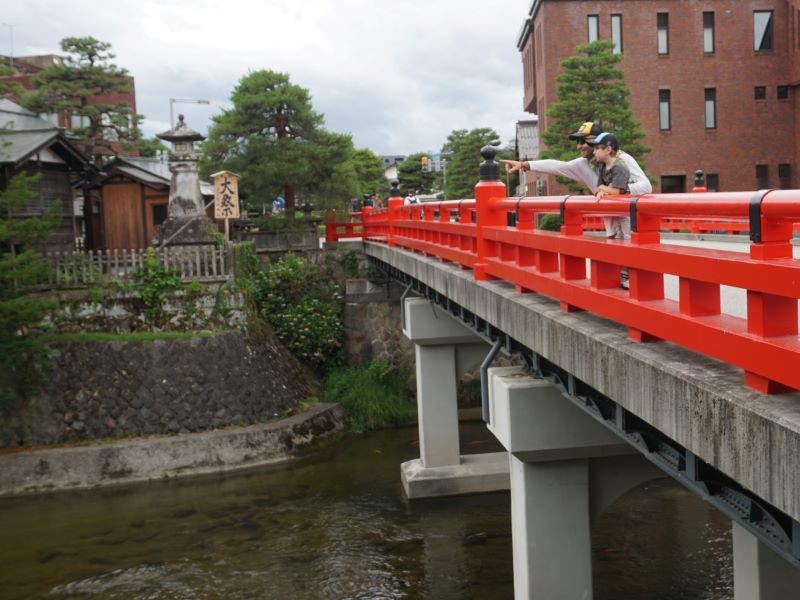
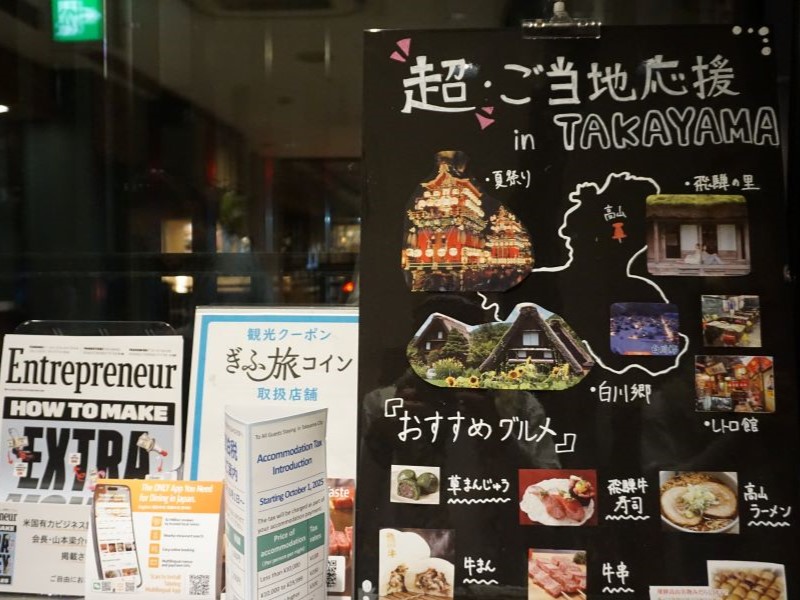
Ancient inns, old shops, and sakura factories: the city of Takayama is a gem because it has preserved all its traditional charm. The lively morning markets, the relaxed lifestyle, and its narrow streets typical of ancient Japan, the Land of the Rising Sun, make this city magical.
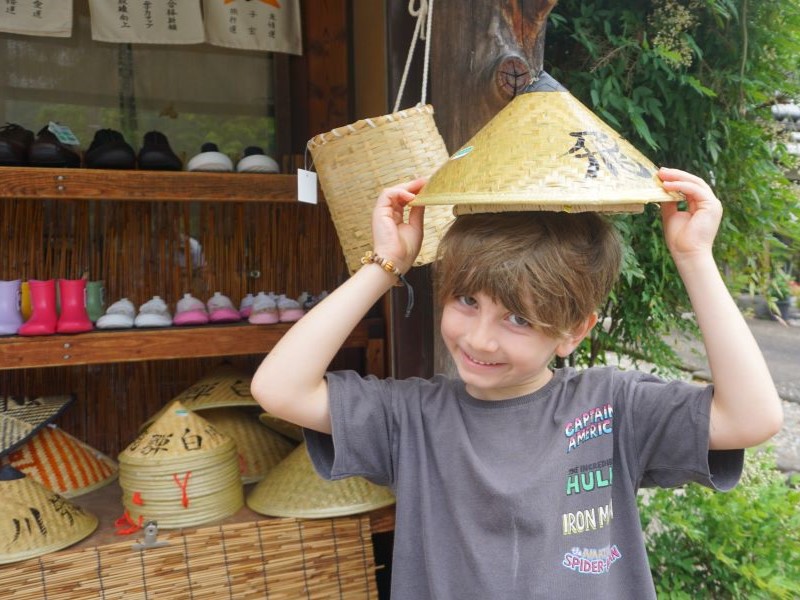
The heart of the city is Sanmachi-Suji, an old neighborhood full of small restaurants, museums and sakura factories, recognizable by the round baskets of cedar fronds hanging outside the front door.
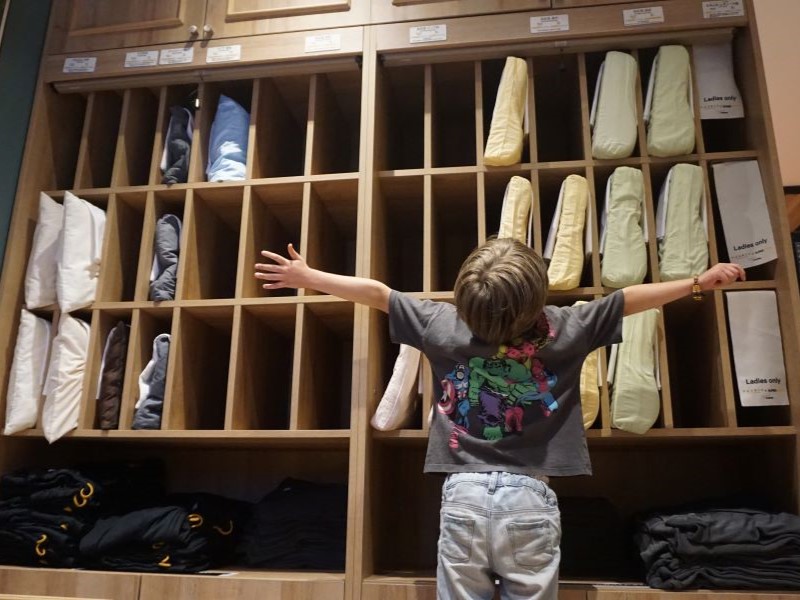
We are staying at the Super Hotel Hida TakayamaAn excellent choice for a traveling family, located just a three-minute walk from Takayama JR Station and the bus terminal, and 400 meters from the historic city center. Compact and functional rooms with a unique feature: the ability to choose your own pillow from a variety of types, right at the reception. There's even a private natural onsen in the basement where you can relax after a day of traveling!
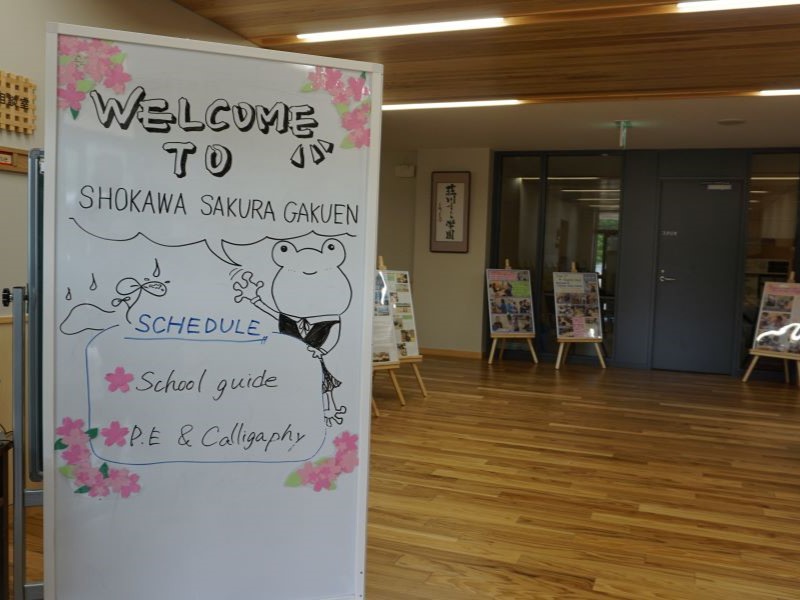
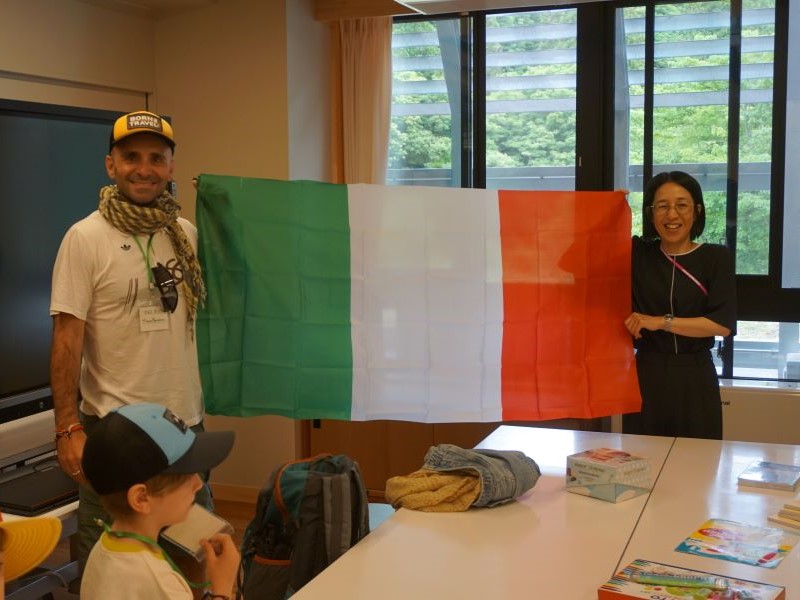
Thanks to the lovely Toru, owner of the Shokawacho Hotel, a beautiful traditional house over 700 years old, we have the opportunity to visit a local school. We reach the village of Shokawa, where we spend a wonderful morning in the company of elementary and middle school students and teachers.
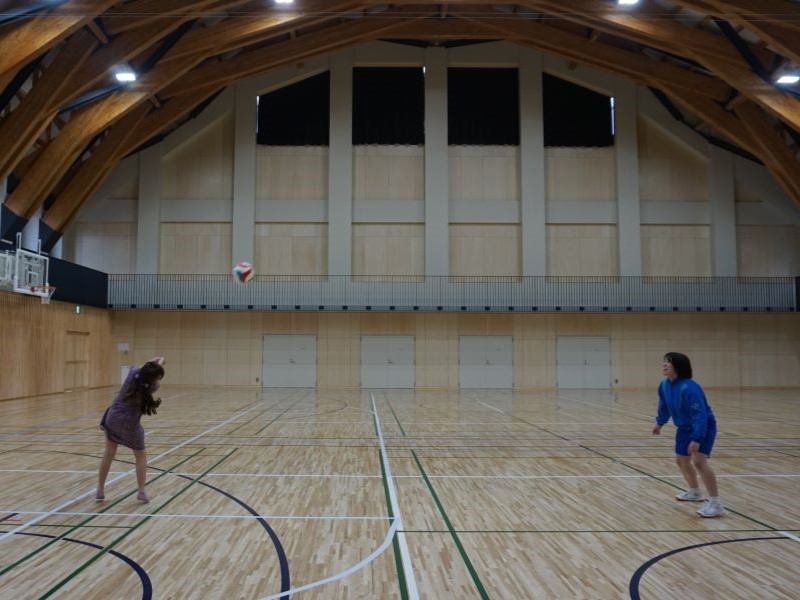
It's a very interesting approach to the Japanese school system. There are 48 students for 36 teachers, classes as small as one, and they study: in addition to the traditional European subjects, they also teach crafts and manga. What struck us most was the serenity of the people, lessons in small classrooms without walls, everything made of wood or parquet, even the giant gym where they practice everything from volleyball and basketball to badminton and kendo.
It was fun and interesting to interact with them, some taking part in a volleyball game, others in a Japanese calligraphy class. What wonderful experiences you have while traveling!
We depart at dawn from Takayama, via Nagoya, to then take a marvelous shinkansen, the bullet train, to the capital! Chaotic yet organized, ultramodern, and unique, it's a city that has been collecting records since the distant Edo period. It has reclaimed vast swampy areas, transforming war-torn zones into glittering neighborhoods dominated by skyscrapers.
Here we are staying at the Mimaru Tokyo Asakusa StationExcellent location, just a two-minute walk from Asakusa Station, the heart of Tokyo's most traditional neighborhood. Our room features a modern kitchen, ideal for traveling families and a rare luxury in Tokyo, where space is at a premium.
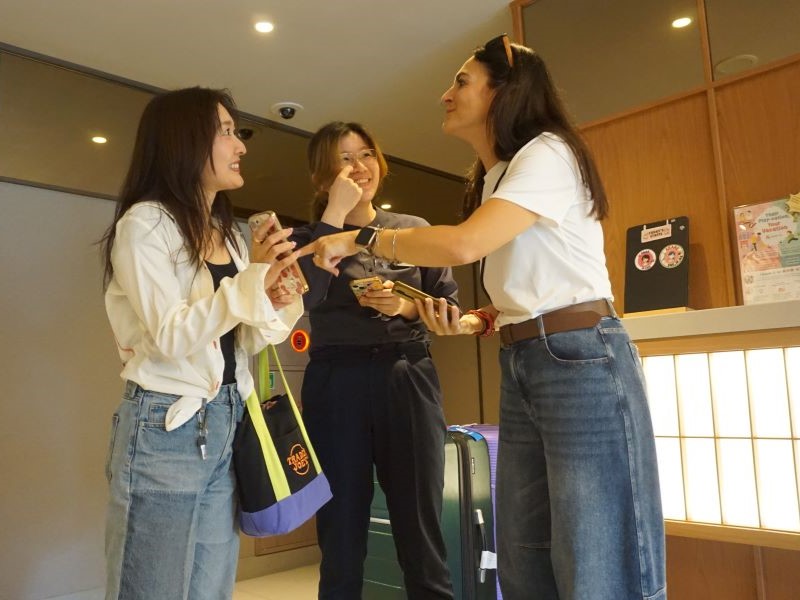
A top-notch reception where the friendly receptionists will welcome you with great warmth and professionalism. The rooftop, offering a majestic view of the city, is stunning, as is the delightful guide to Family Mart's recommended foods, complete with photos, descriptions, and prices. One of our favorite Kombinis, located right outside our hotel.
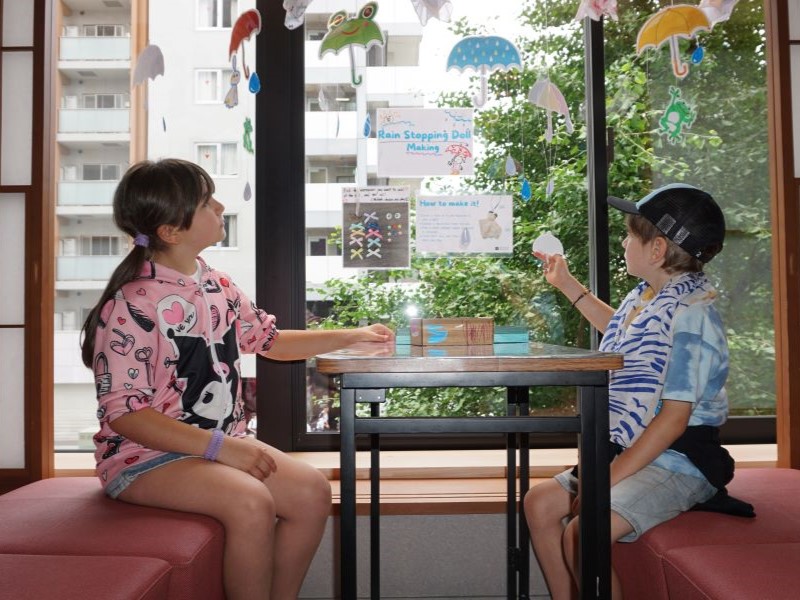
We will spend six days in this immense city so we have decided to stay first in this area (Asakusa) and then move on to Kyobashi.
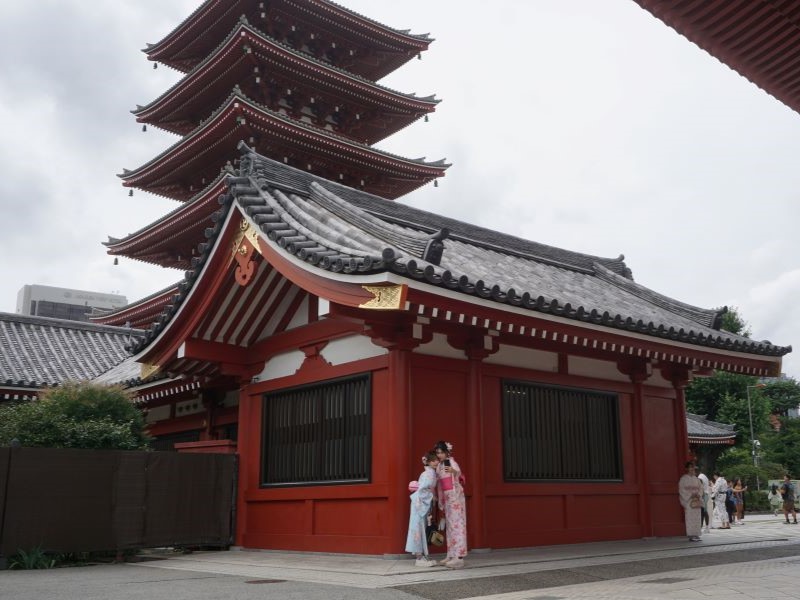
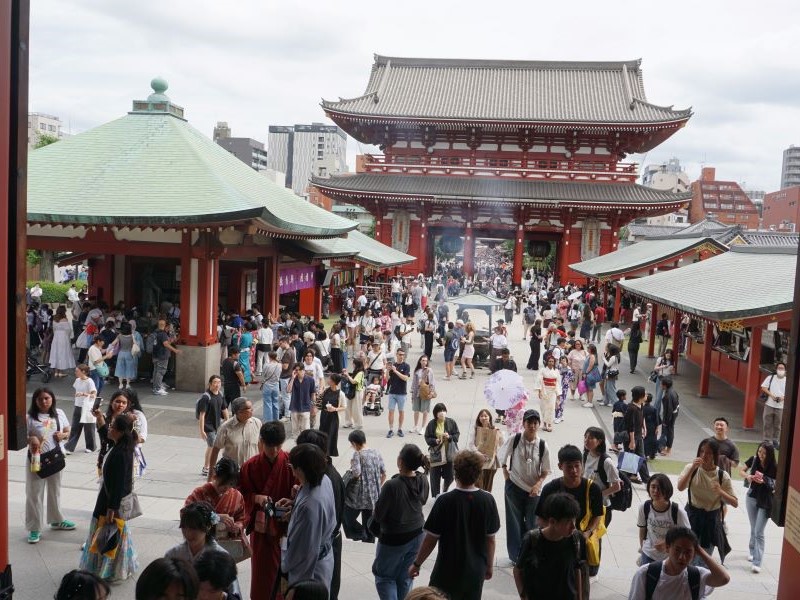
A few steps away is the majestic and crowded Senso-ji, a temple that houses a golden statue of Kannon, (Buddhist goddess of mercy) which, according to legend, was miraculously found by two fishermen in the waters of the Sumida-Gawa River in 628 AD. The sculpture has remained in this temple ever since!
The temple is accessed through the Kaminarimon (Thunder Gate), guarded by Fujin (god of wind) and Rajin (god of thunder). The five-story pagoda next to the temple is stunning, and it's impressive to see the many worshippers praying amidst clouds of incense.
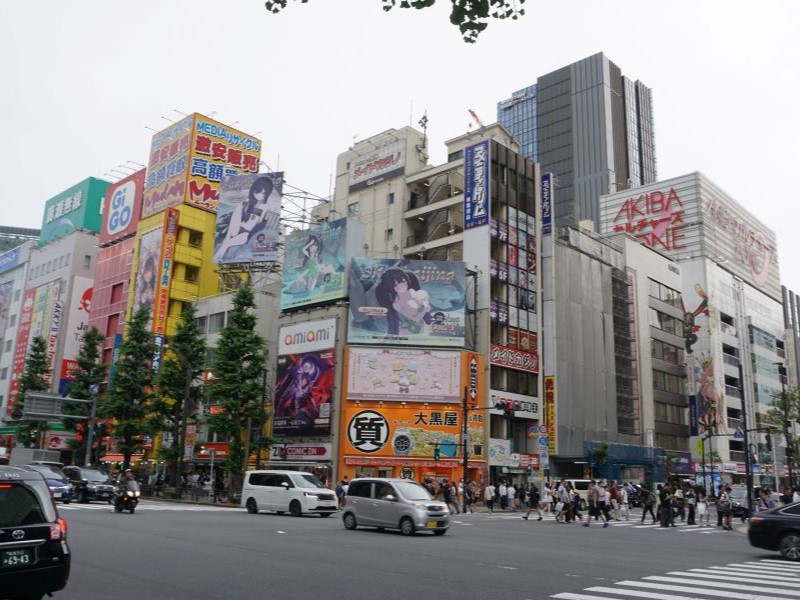
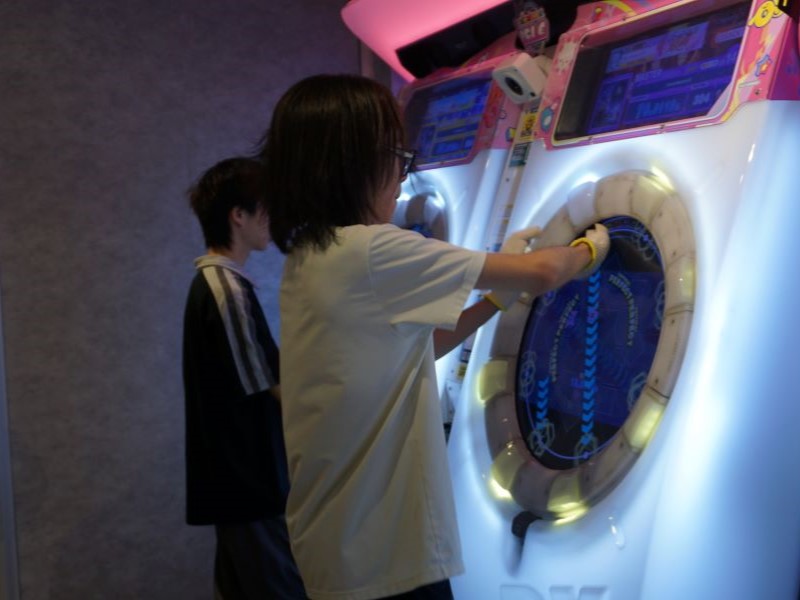
Akihabara. Also known as Electric Town. It's the place to find new and used electronics at discounted prices. A paradise for otaku (nerds), manga and anime lovers. Entire buildings house arcades, video games, lights, colors, and girls dressed as anime characters inviting you into the shops with their ads.
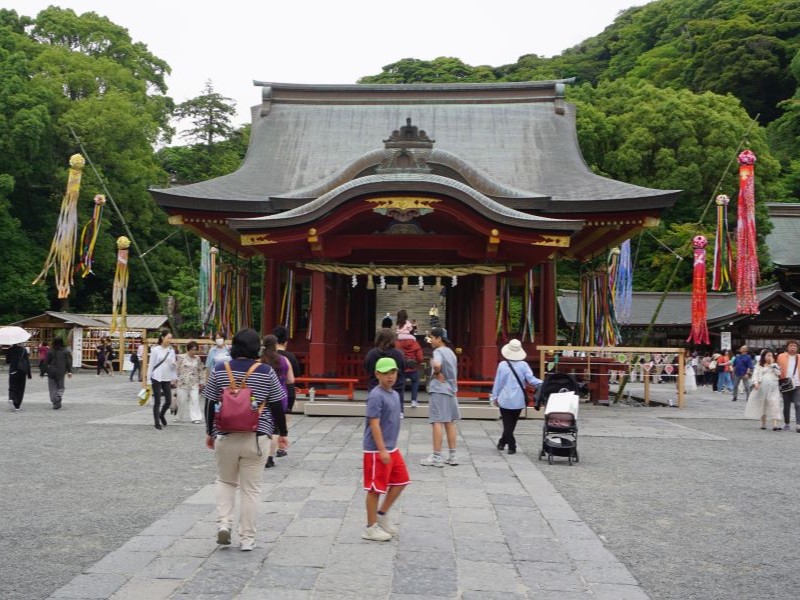
The first capital of feudal Japan in the twelfth century. Stroll along the pleasant, yet crowded, pedestrian street past street food stalls and souvenir shops to Tsurugaoka Hachiman-gu, the most important shrine dedicated to Hachiman, the God of War.
Mount Fuji. This is one of the most classic spots to admire Mount Fuji.
If you can: choose the best day, check one of the many sites that monitor visibility!
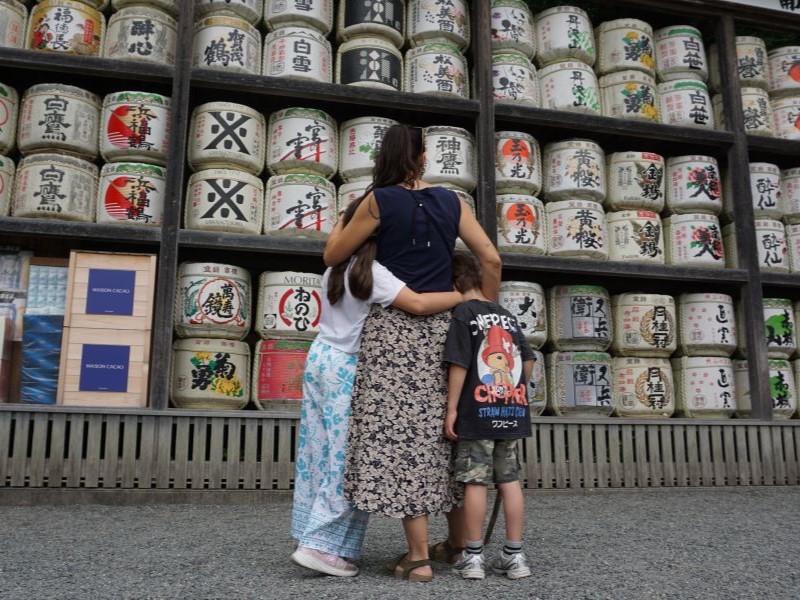
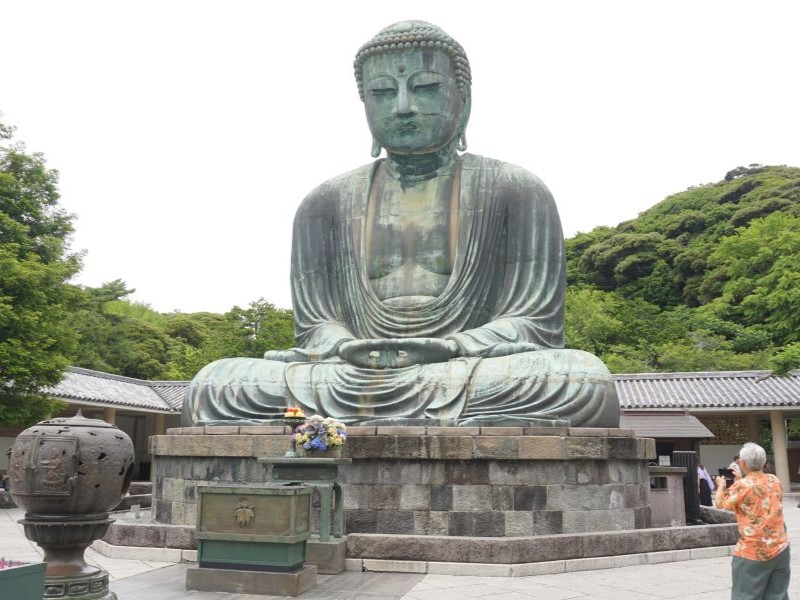
In Hase, near Kamakura, is the Great Buddha "Kotoku-in," one of the most iconic images in all of Japan. The Great Buddha's face expresses a state of deep meditation (samadhi), with his hands in dhyana mudra, a meditative gesture. Fun fact for kids: you can actually go inside this enormous bronze statue.
Today we're changing areas, also because when we spend several days in a big city we like to explore but above all experience different areas of it so we can understand it better.
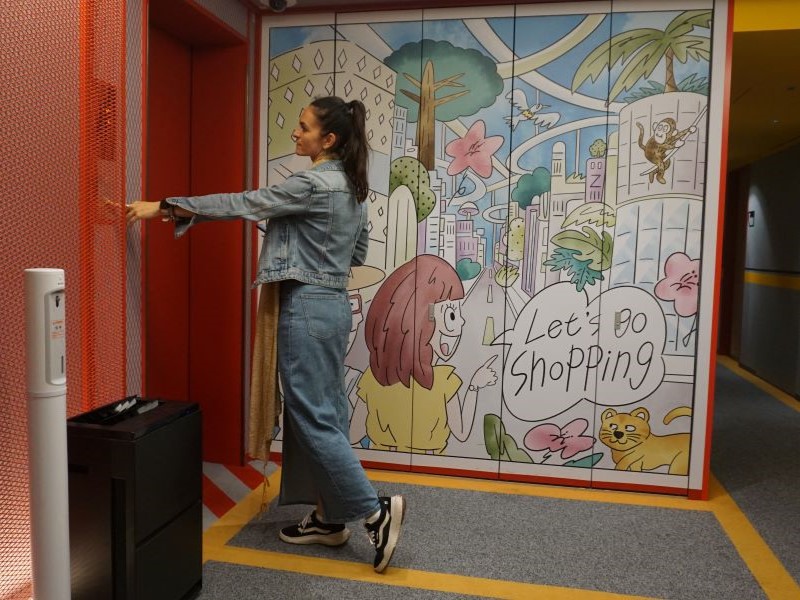
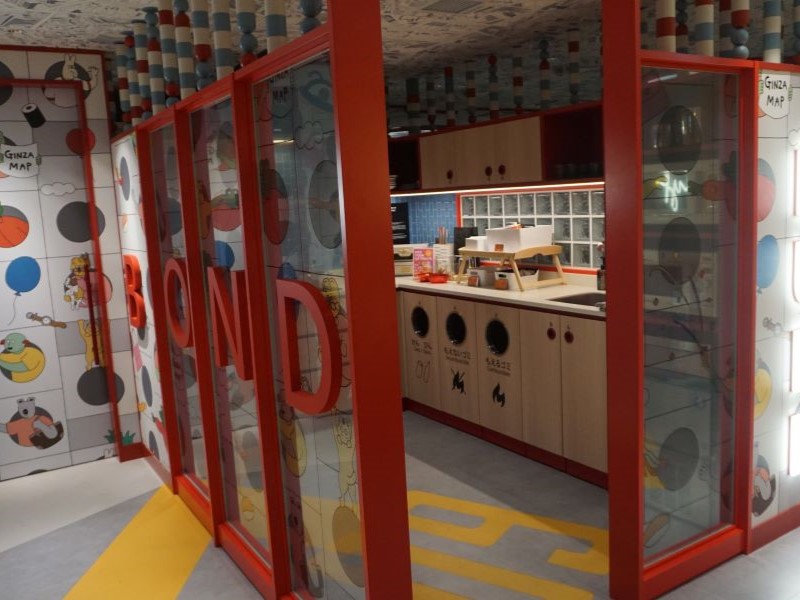
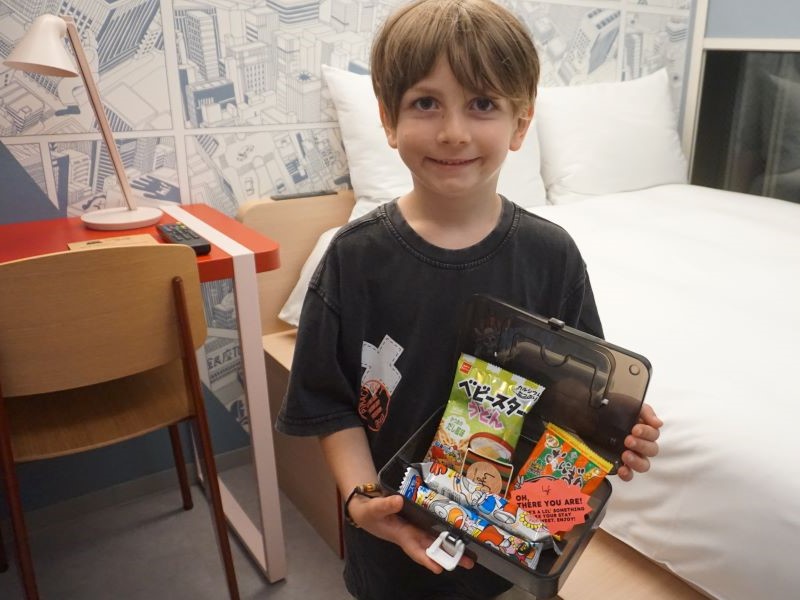
Here we are at Lyf Ginza Hotel, right in the city center! This colorful hotel features vibrant, comic-style illustrations and will welcome you with its ever-smiling staff.
The rooms are delightful and equipped with all comforts, although the space we loved most was the "connect lounge," a 24-hour coworking area with a small kitchen and a large space for eating, playing games at the table, or simply chatting with other travelers!

In the morning we visit the Tsukiji fish market, the largest in the world! Here, every day, thousands of fish are processed, purchased, and transported everywhere. A few years ago, we witnessed thetuna auction, today perhaps it is no longer permitted to non-experts.
It's delightful to wander among these ancient stalls selling all kinds of seafood, even the majestic, impressive king crab. You can also eat it on the spot, as many have transformed into small, simple restaurants.
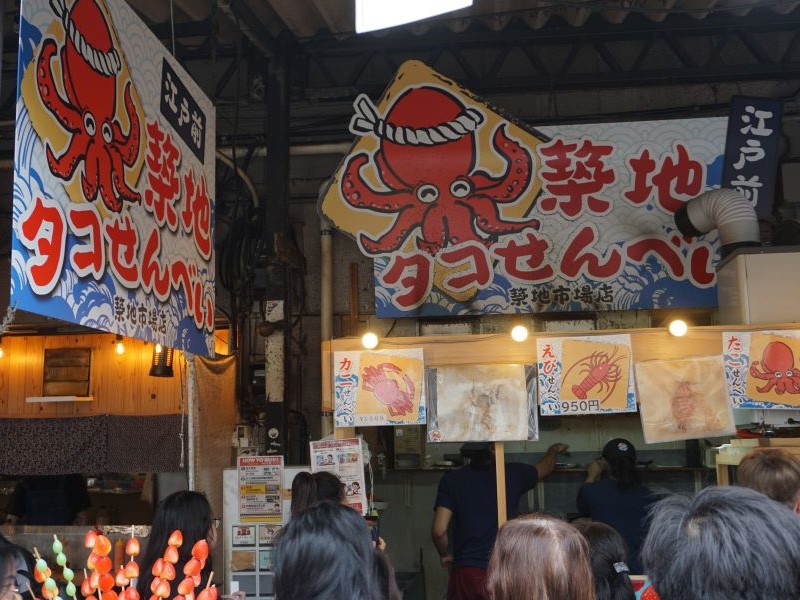
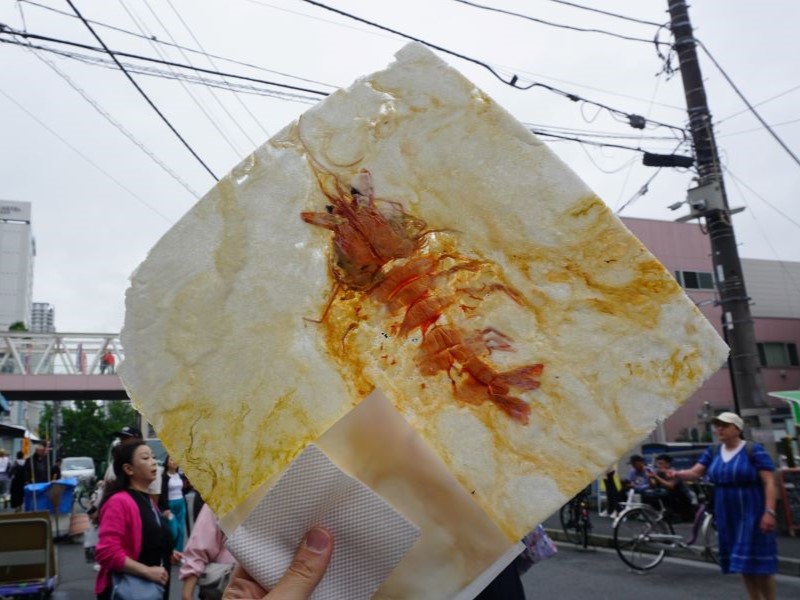
Not far away, take the opportunity to visit the futuristic Team Lab Tokyo, a large area dedicated to children with incredible multi-sensory spaces, a digital playground where you can spend a few enchanted hours in a world that often made me think of Avatar.
Divercity Tokyo Plaza, on the artificial island of Odaiba, with the Unicorn Gundam, in 1:1 scale, almost 20 m tall, here you can do a little shopping at the “Gundam Base” shop, for true enthusiasts.
Meiji Jingu. A Shinto shrine immersed in a forest of 120,000 trees, it is an oasis of absolute peace in the middle of a metropolis of 14 million people.
Crossing the great torii and walking along the long tree-lined avenue is almost a passage from the city to the sacred.
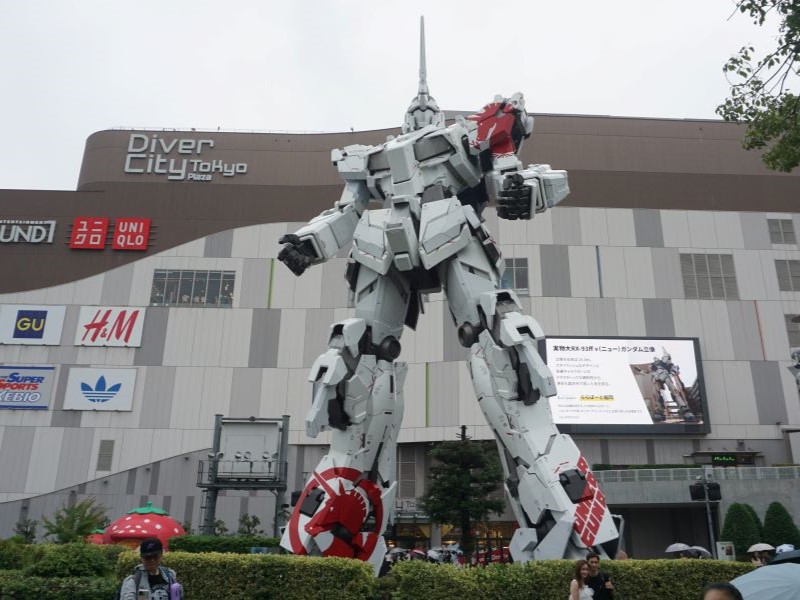
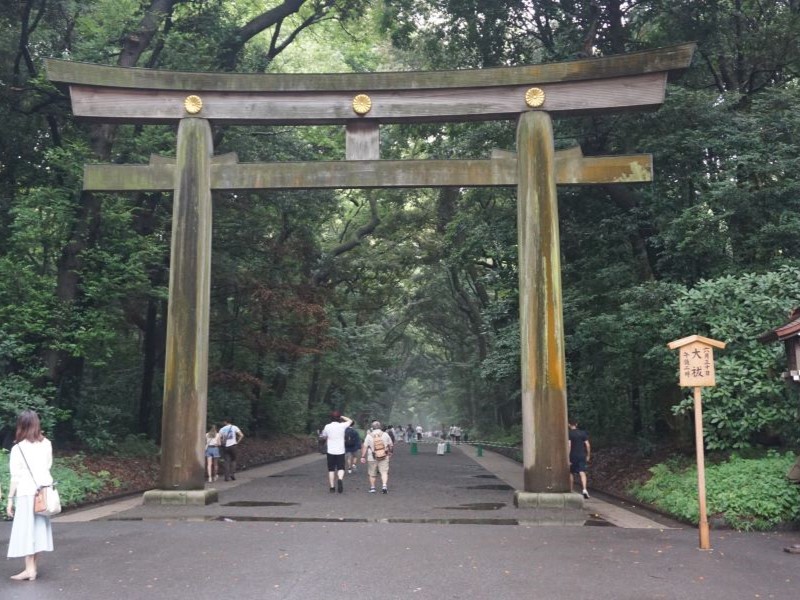
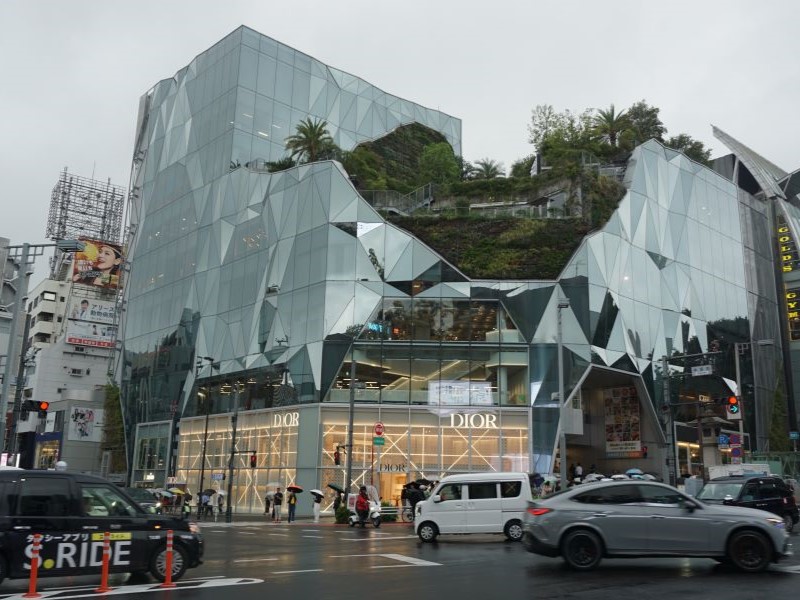
Takeshita: the heart of Tokyo's colorful pop culture.
Harajuku: the center of kawaii style, here you can meet many boys and girls dressed as their favorite cosplay.
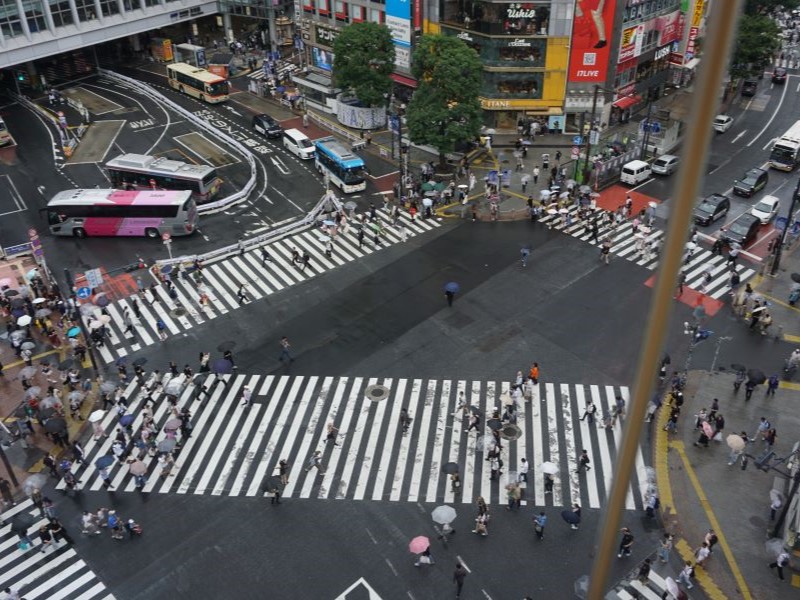
Shibuya. The busiest pedestrian crossing in the world, every time the light turns green, hundreds of people move in every direction. It's said that half a million people cross this intersection every day.
Sunset from the Tokyo Metropolitan Government Building, free admission, in a few seconds you reach the 45th floor at 202 meters!
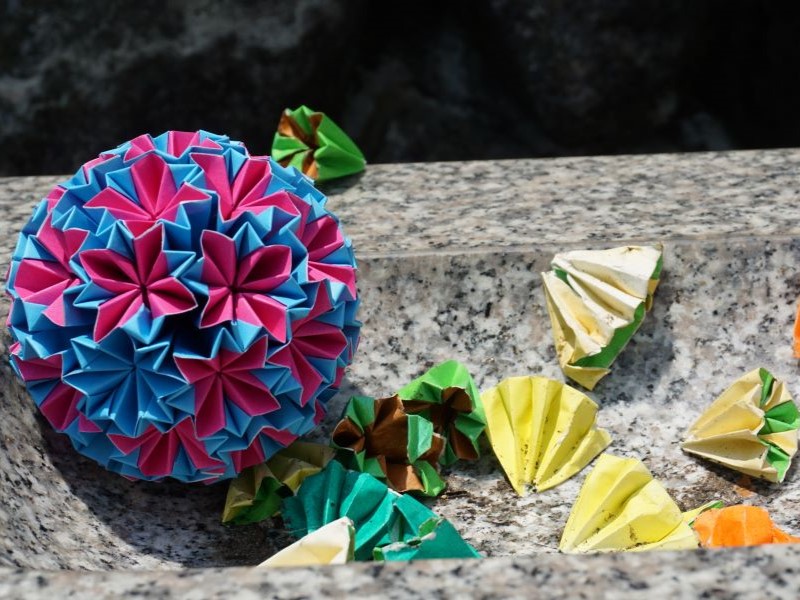
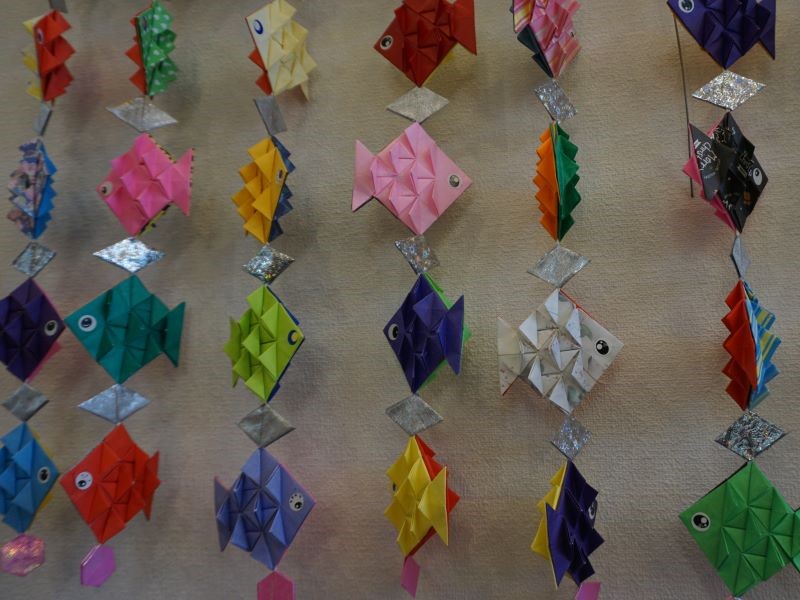
Origami Museum. Our children, sitting at a low table, folded and refolded the paper until they created their first propeller, imperfect but extremely proud. A small moment, but one they remember for years.
We haven't brought Japan home with us in souvenirs or photographs, but in something more subtle: a different perspective on the little things. Our children learned to wait in line without pushing, to marvel at a silent temple or a hand-folded paper crane. Japan is unforgettable. And if you visit with your children by your side, it becomes something even more precious: a family memory that lasts a lifetime.

Error: No feed found.
Please go to the Instagram Feed settings page to create a feed.