
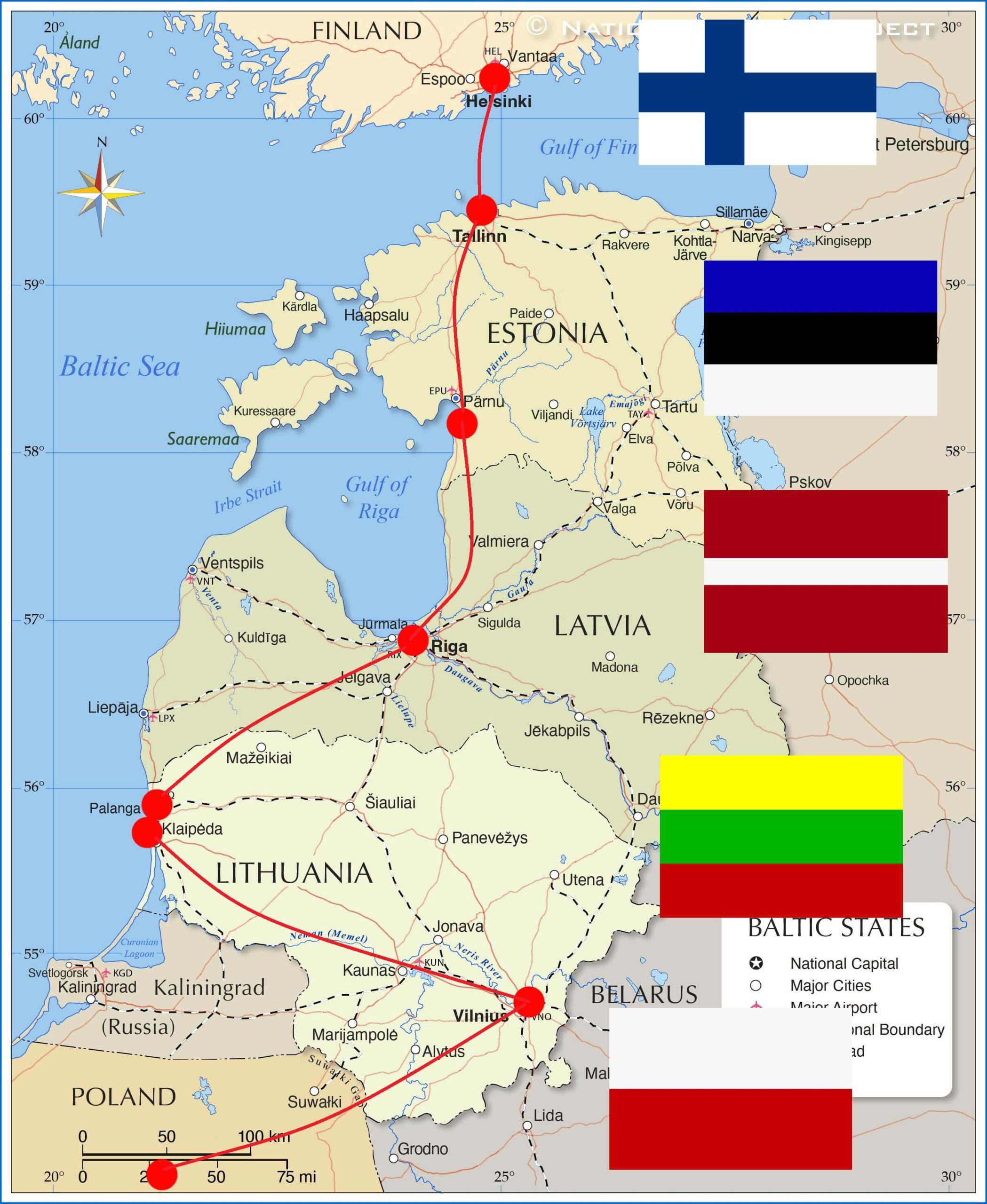
A journey that begins in the Nordic fjords and ends in the beating heart of Central Europe: from Helsinki, with its Scandinavian atmosphere of minimalist design and saunas. We'll leave Finland behind and delve into the three Baltic countries.
A piece of Europe still not so affected by mass tourism and therefore more genuine, rich in history, medieval cities and wild nature up to the wonderful Polish capital of Warsaw with its strong contrast between tradition and future.
We'll be using local transportation to experience the scenery more intensely. We even squeezed in a couple of relaxing breaks at the beach, even though the temperature was challenging.
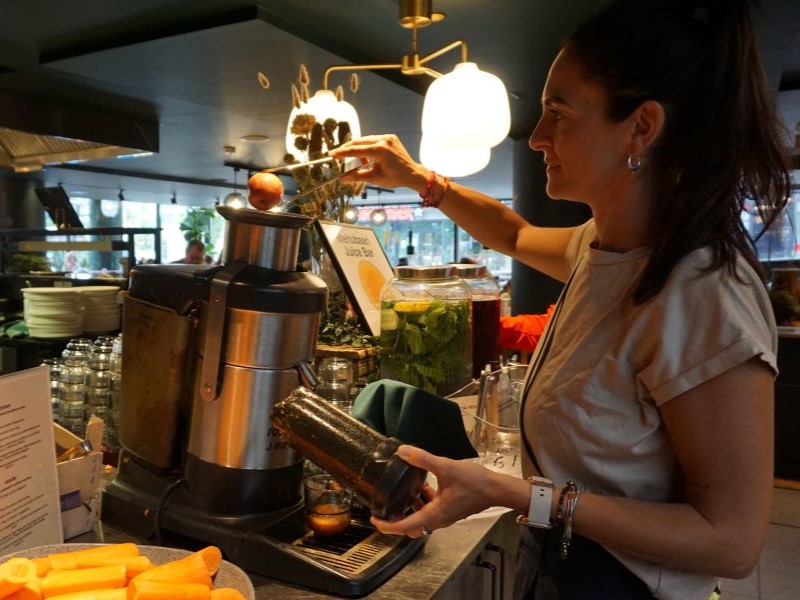
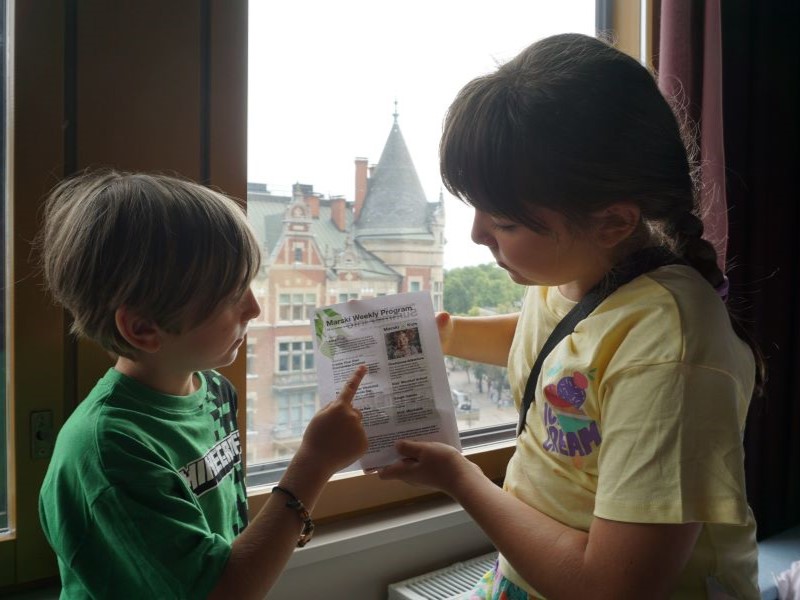
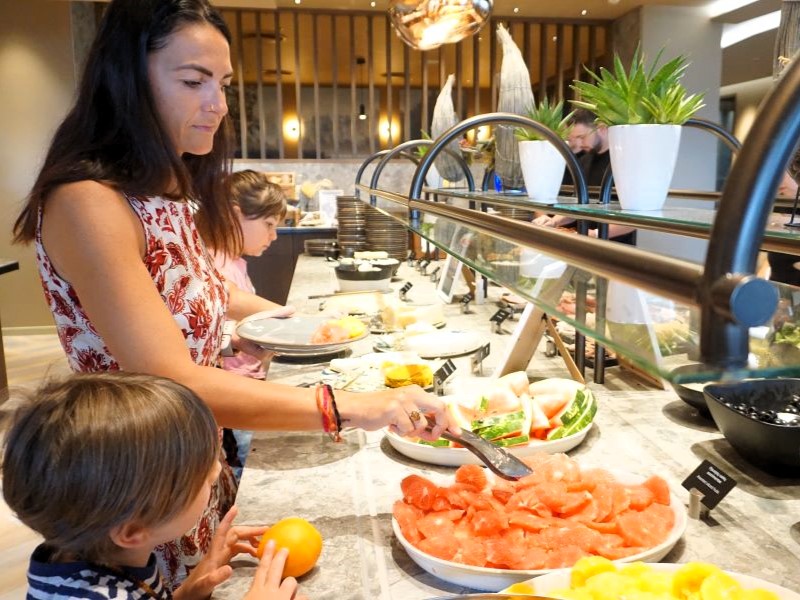
With a comfortable Jet Time flight from Bologna, we landed in the middle of the night in Vantaa. We took a Bolt taxi, a popular option here, to our wonderful hotel. Marski by ScandicExcellent location, 300 meters from the central station and the market square, our room was spacious and elegant, equipped with every comfort. Also wonderful were the two saunas, the magnificent breakfast, and even the actual art gallery.
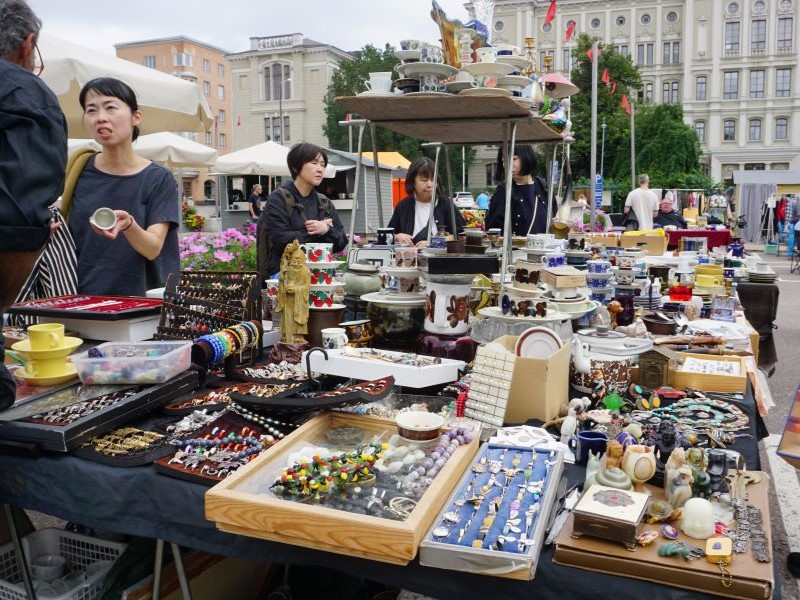
Hietalahti Flea Market.
Here you can enjoy a unique corner of Helsinki. Wandering among its sleepy stalls, you can find everything from used clothes to antique musical instruments to antique Soviet artifacts. Next to the market stands the historic building, which today houses many small restaurants as well as stalls selling berries, local bread, smoked fish, and cheeses.
Kauppatori: market by the sea.
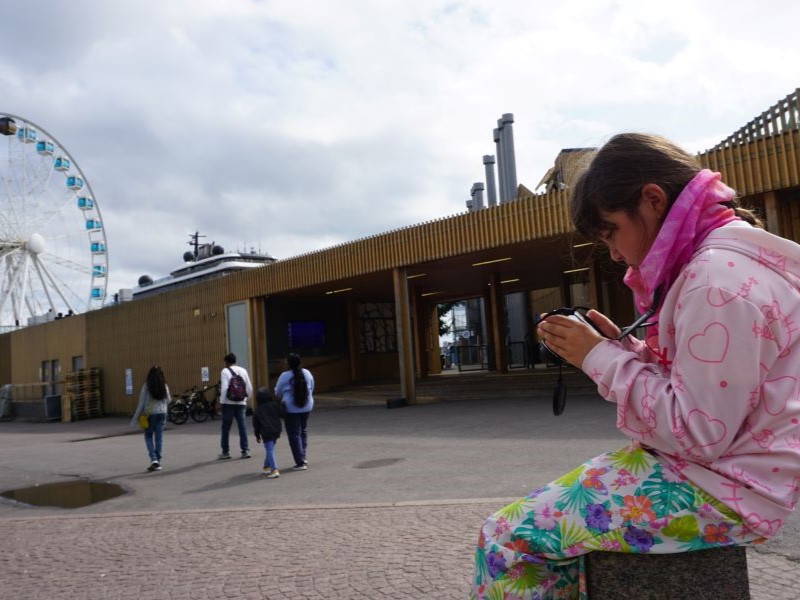
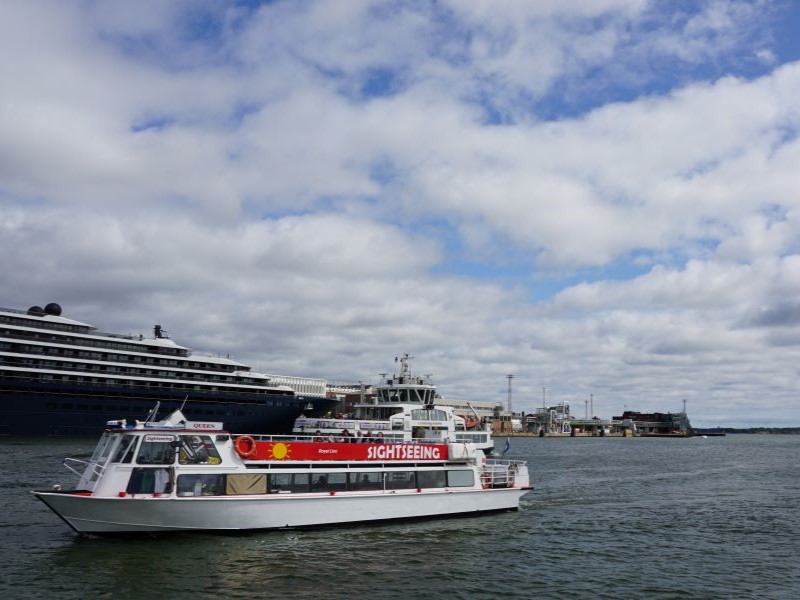
Overlooking the Baltic Sea, this market has been the beating heart of city life since 1750. Here, you can breathe the most authentic Finnish air: here you can enjoy an excellent dish of lohikeitto, the famous salmon, potato, carrot, and herb soup. We take the opportunity to take a boat ride from Kauppatori Pier to discover Helsinki from a different perspective. We pass by the fortress island of Suomenlinna, a UNESCO World Heritage Site, but above all, we admire the peaceful life of the Finns, who fish with their children, stroll along the canals with their dogs, or relax while reading in the various parks overlooking the canals.
A great idea is also to use the Helsinki card which will allow you to concentrate all the activities that this wonderful city has to offer in 24, 48 or 72 hours.
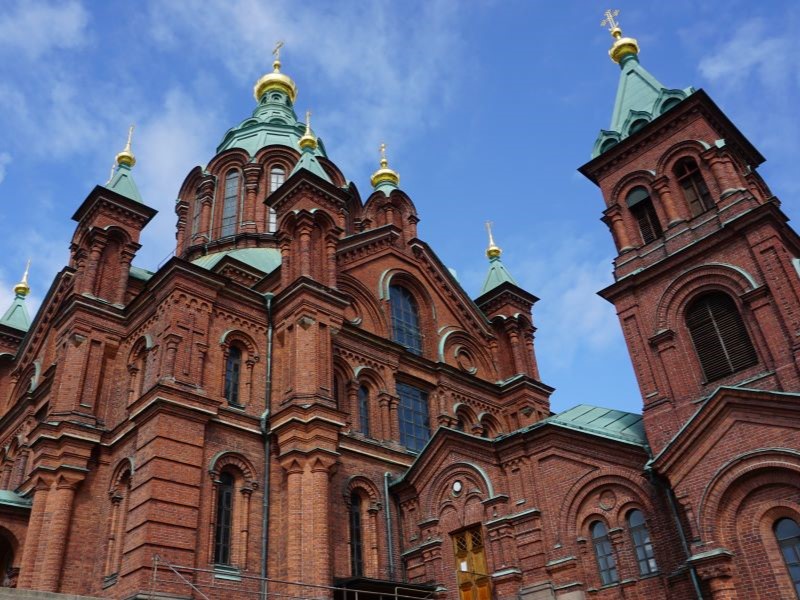
Not far away stands Senate Square with the majestic cathedral and the Uspensky Orthodox Church, the largest Orthodox church in Western Europe.
Fun fact: Finland has three million saunas, some in unimaginable locations like a Ferris wheel, and yet it only has a population of six million.
The Kampi Chapel, also known as the Church of Silence, is a unique example. It's a small Lutheran chapel, an elliptical shell of fir wood that envelops visitors, protecting them from the urban chaos. It was conceived more as a place of meditation than a place for celebrating Mass.
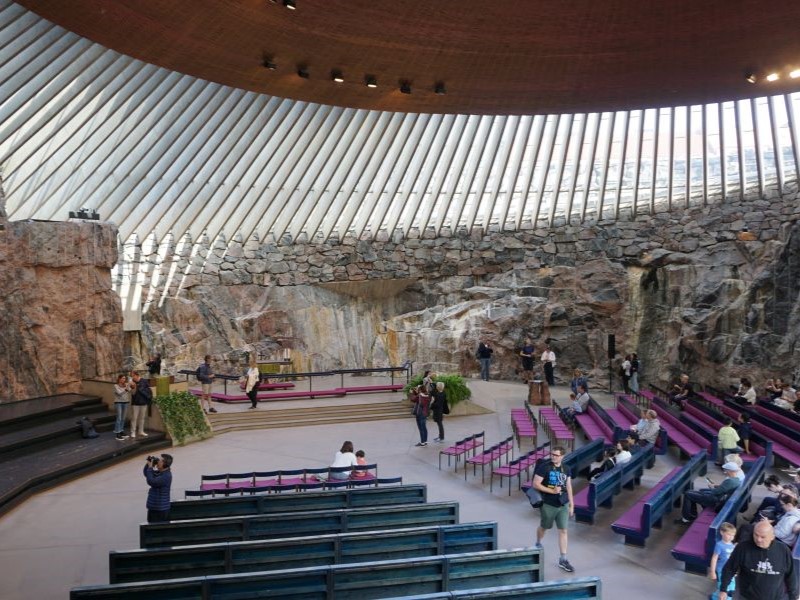
Helsinki's Temppeliaukion Church, a small Lutheran church carved entirely out of granite, is distinctive for its domed ceiling covered with 22 kilometers of woven copper. Its granite walls provide perfect acoustics, and its altar is carved from a rock dating back to the Ice Age.
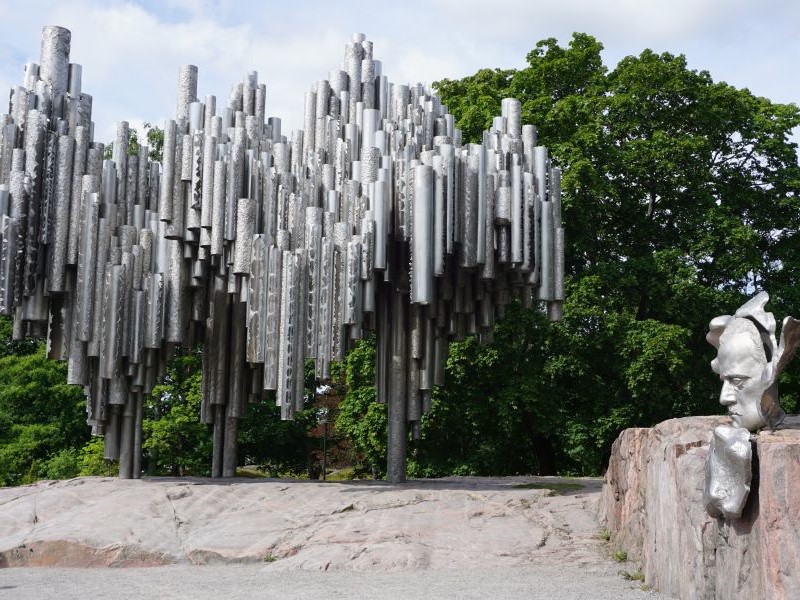
Sibelius Park. One of the city's most famous parks, it boasts a majestic iron organ with over 600 stylized pipes, located next to a sculpted bust of the composer Sibelius.
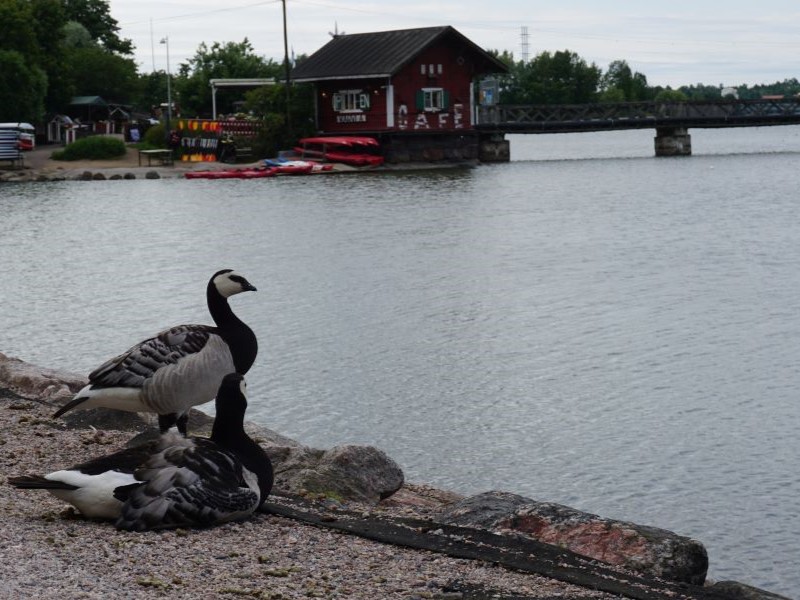
Continue to the picturesque Regatta café to enjoy a good coffee accompanied by a slice of blueberry cake or a cinnamon roll in a picture-perfect setting.
Oodi Library, undoubtedly one of the most beautiful libraries I've ever visited. Divided into three floors, the top floor is dedicated to traditional reading and offers a large space for children of all ages, a great example of public service. The second floor houses 3D printers, a laboratory, recording studios, and game rooms. The first floor welcomes you with a large room full of chessboards and people challenging each other.
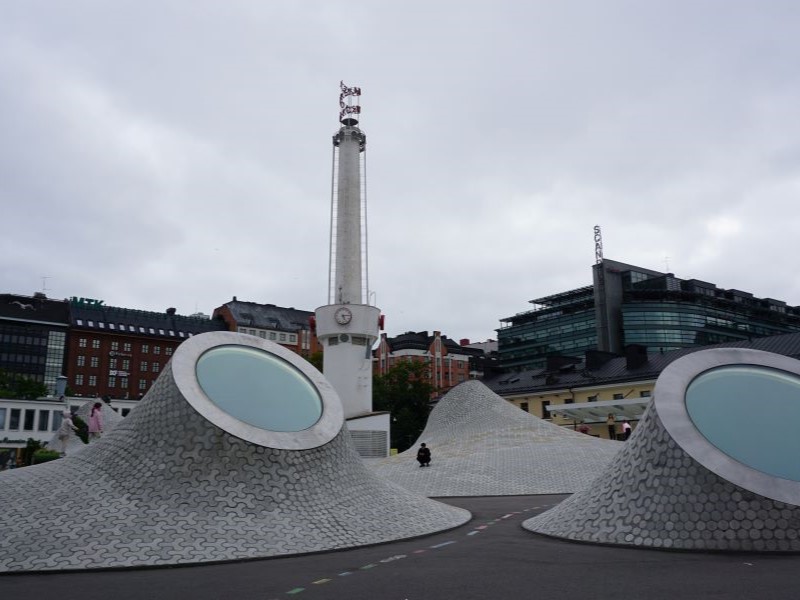
Amos Rex. One of the most iconic and innovative contemporary art museums. Free admission with the Helsinki Card, many interesting and modern exhibitions, but also stunning from the outside with its domes. Today, it's a playground for children.
Tomorrow we start again, we're changing country!
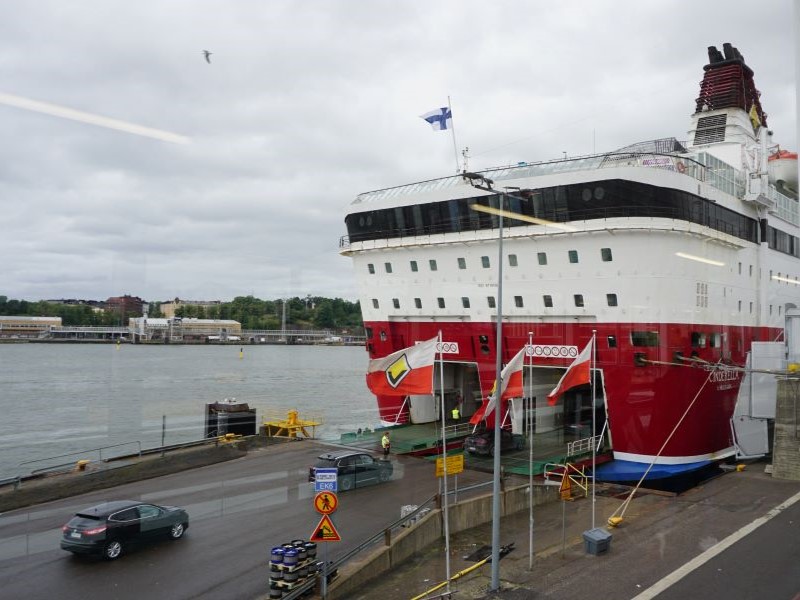
With a very comfortable ferry from Viking Line, in two hours we leave beautiful Helsinki to reach the capital of Estonia!
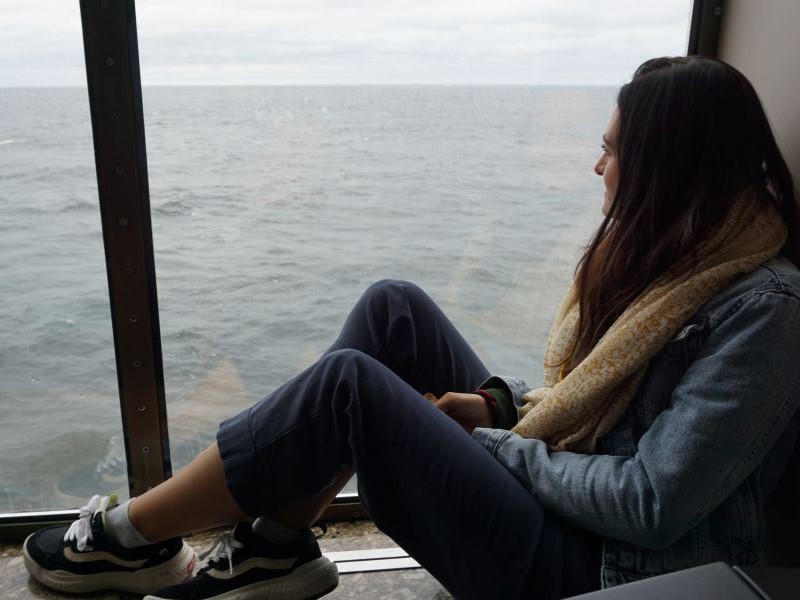
The Gulf of Finland crossing is a truly enjoyable experience thanks to the comfort of this enormous ship. Numerous activities are organized for its guests: from karaoke to bingo, from live music to a casino, and from the many restaurants. Included in the ticket price is a superb brunch buffet while admiring the sea from the large windows, while Nora and Jago had completely relocated to the children's playroom.
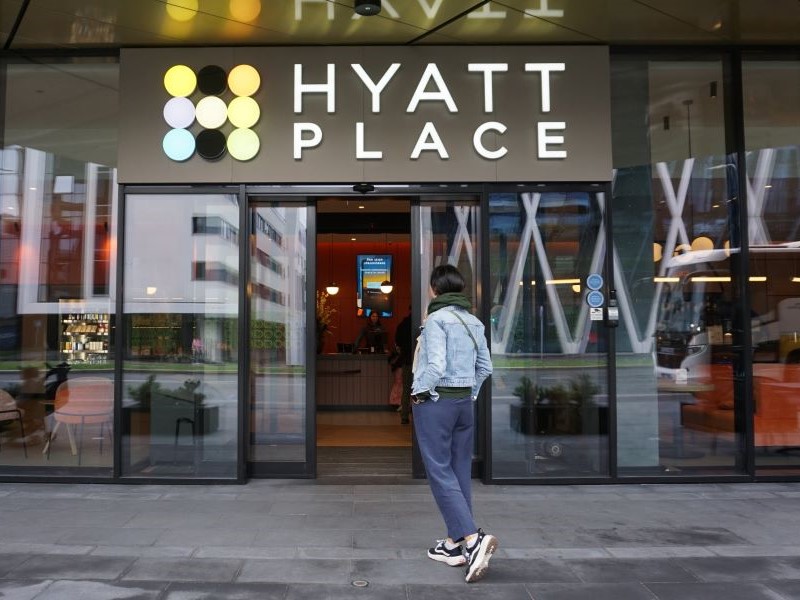
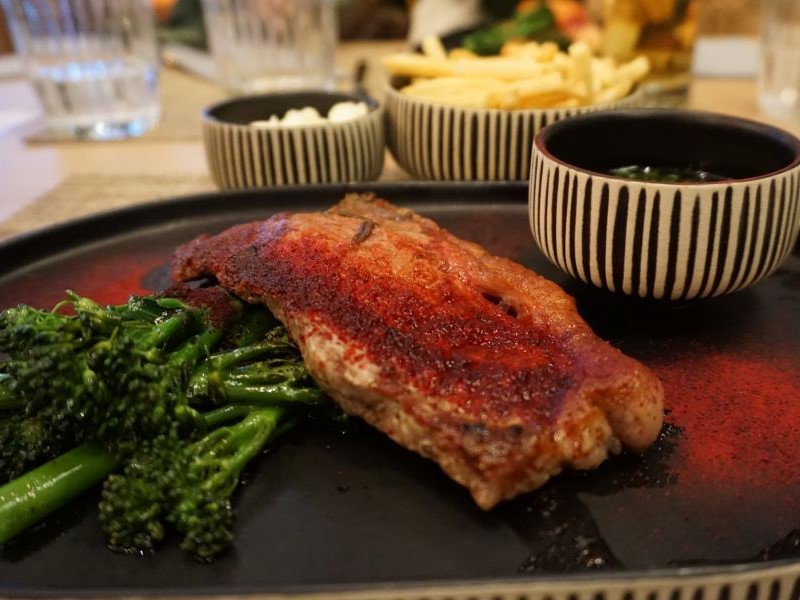
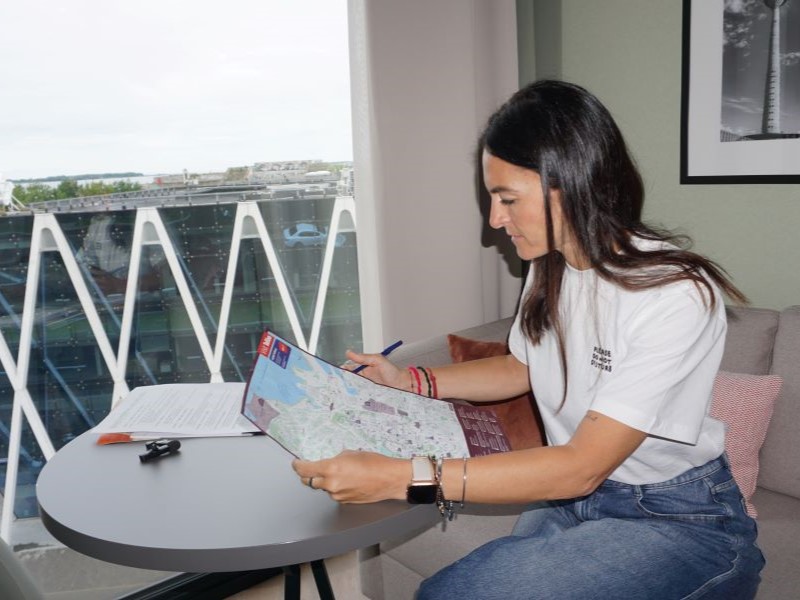
A few steps from the old port and a few minutes walk from Tallinn's old town, a UNESCO world heritage site, we are staying at Hyatt Place Tallinn, in a very elegant room with a breathtaking view of the city. We enjoyed one of the best dinners of the entire trip, highly recommended for both romantic couples and families with children, given the accessibility of the entire property!
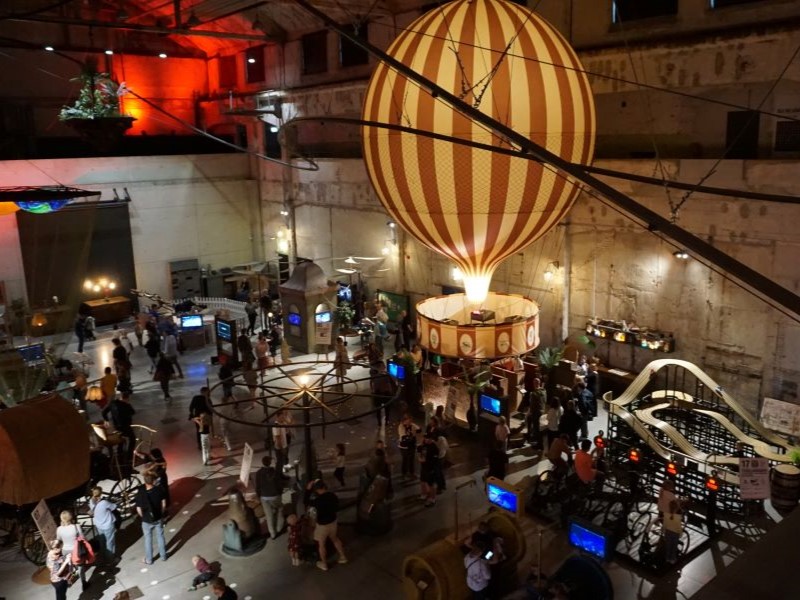
We visit the Proto Invention Factory: an interactive science center housed in a former Tsarist-era submarine factory. This center combines virtual reality with physical 19th-century machinery. You can fly in a hot air balloon, drive the first electric car, or pilot a flying bicycle using modern VR headsets, allowing you to experience new emotions. Also consider purchasing a Tallinn Card, so you will group together most of the attractions as well as unlimited access to public transport.
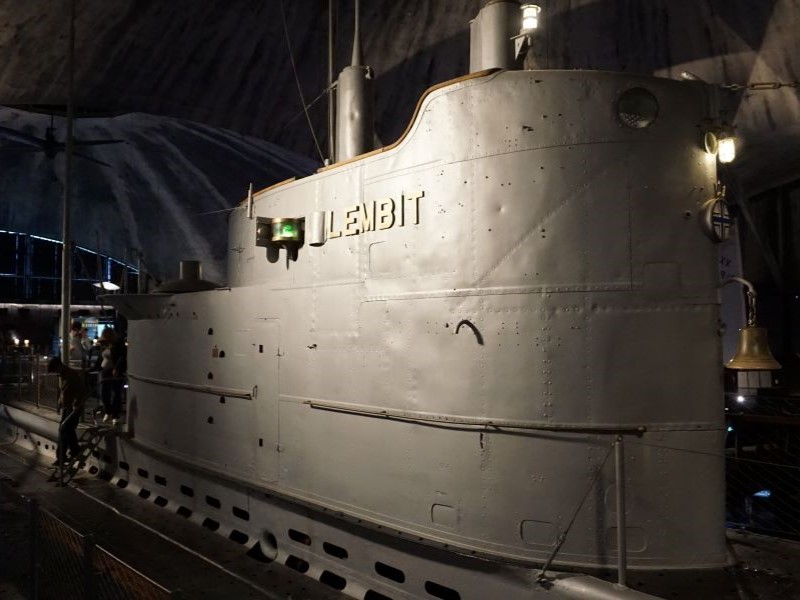
A short distance away is the Lennusadam (Seaplane Harbour), a maritime museum housed in a historic seaplane hangar with many memorabilia on display, first and foremost the Lembit submarine (from the 1930s, which can be visited inside).
It has many flight simulators to delight adults and children alike.
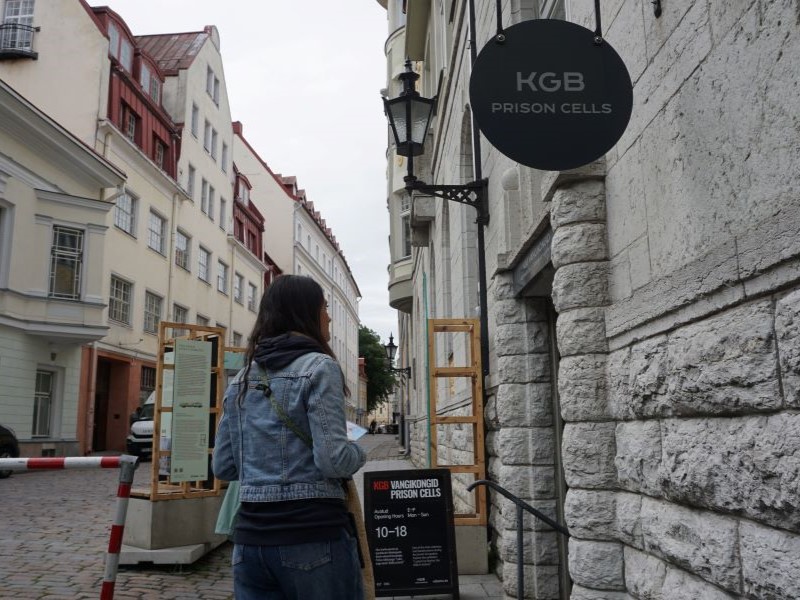
The KGB prison cells. Today, this former prison and interrogation center for the Soviet secret police is a museum; during the Soviet occupation, Tallinn residents avoided even looking at the building when they passed by.
A macabre local proverb was born which said: "the building in via Pagari offers the most beautiful view in Estonia, from there you can see Siberia directly".In reference to the fate of those who were locked up.
The cells were overcrowded with up to 18 people in a cramped space and with the lights on 24 hours a day to disorient the poor prisoners.
The Three Sisters (Kolm Ode), built in 1362, are among the best-preserved examples of late Gothic architecture. They were named for their aesthetic similarity, resembling a family. Today, they are a super-luxury 5-star boutique hotel.
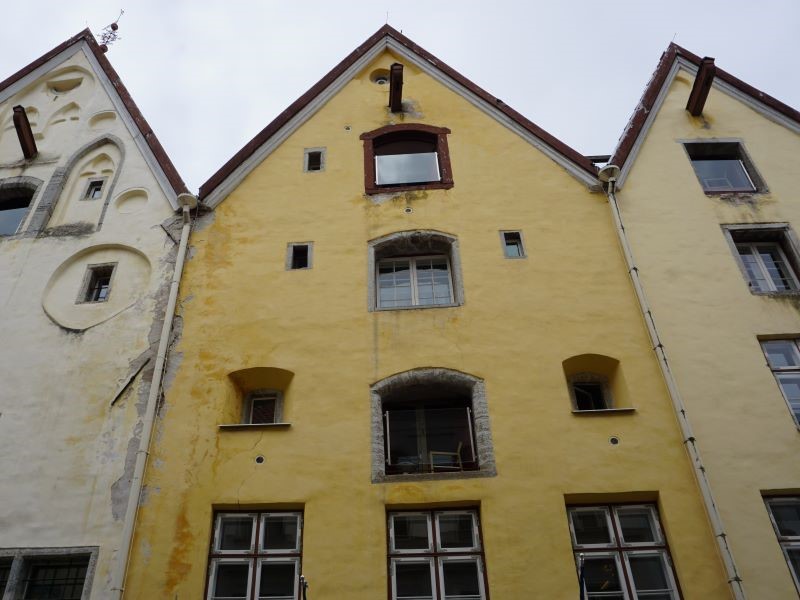
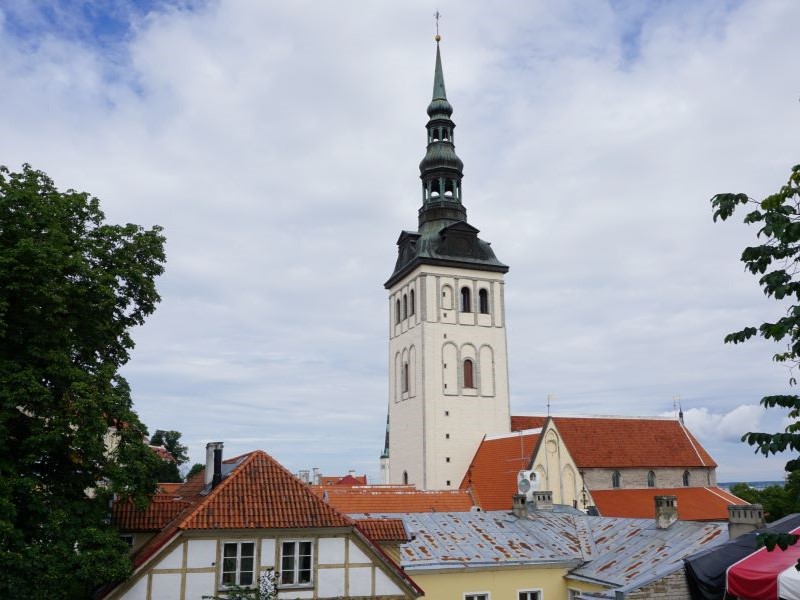
We absolutely recommend visiting the wonderful historic center, a UNESCO World Heritage Site, on foot, setting aside a full day to fully appreciate its many picturesque views. Being a medieval city, its historic center calls for slow strolls through the narrow streets that wind between tall towers and Gothic churches.
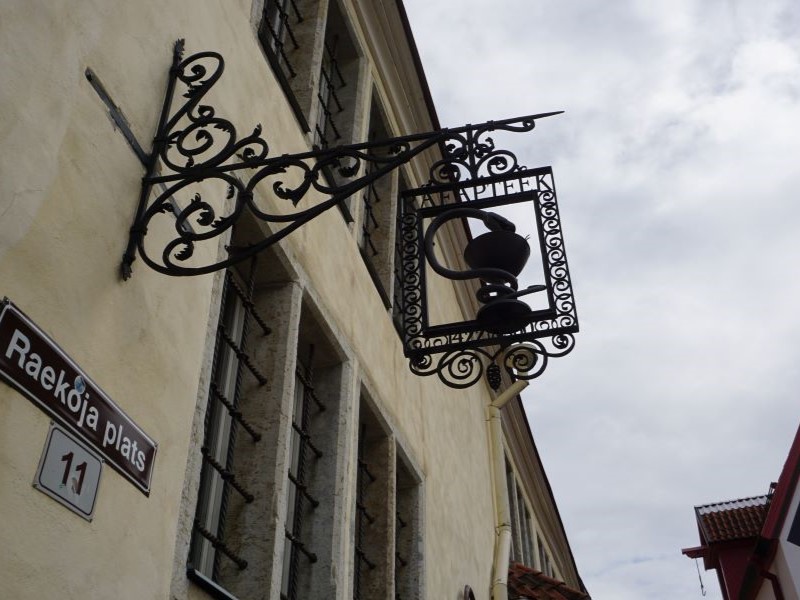
The Town Hall Square (Raekoja Plats) is stunning, with its pastel-colored buildings, the very same square that for centuries hosted the city's main market. Today, it's filled with restaurant terraces and in December becomes one of the most beautiful Christmas markets ever.
Feel free to climb the Town Hall tower for a unique view of the square.
Here is also the oldest pharmacy in Europe, dating back to 1422. It has always been run by the Burchardt family for ten generations. Today, the pharmacy hosts a small, free exhibition documenting its history, the preparations, and the healing remedies of the time.
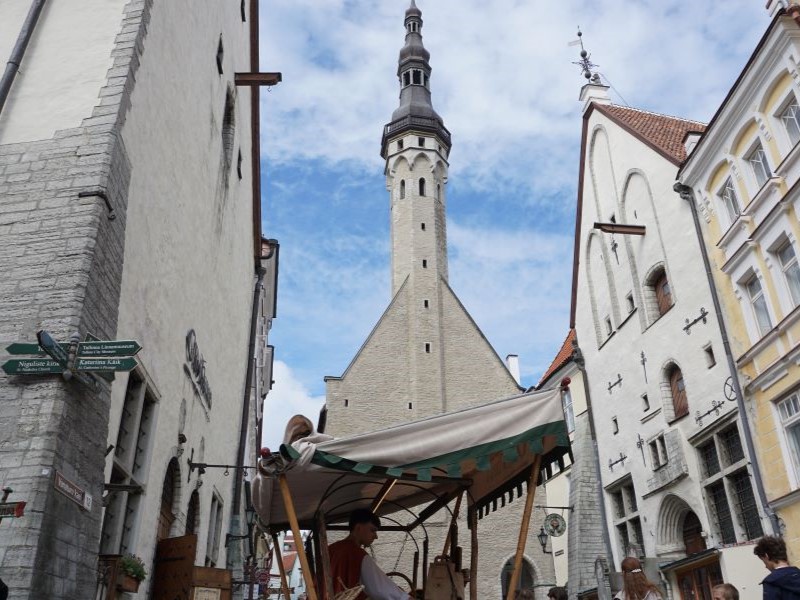
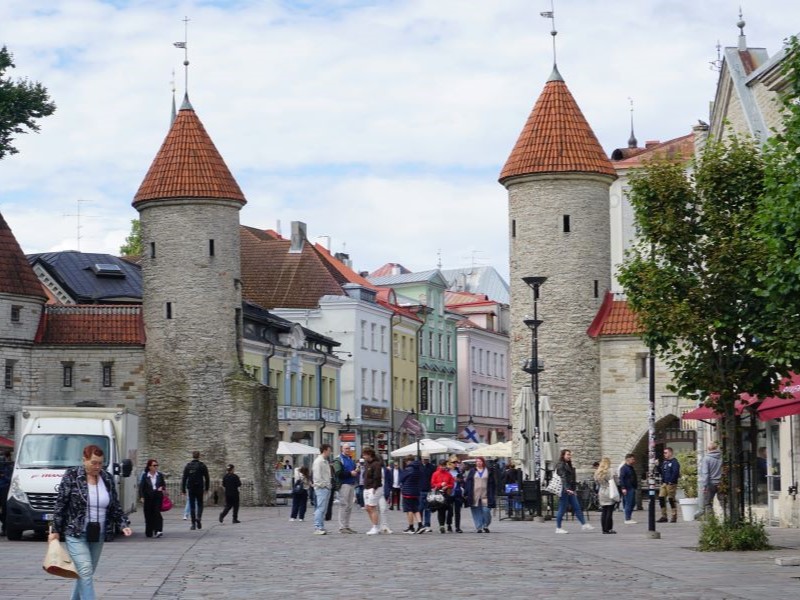
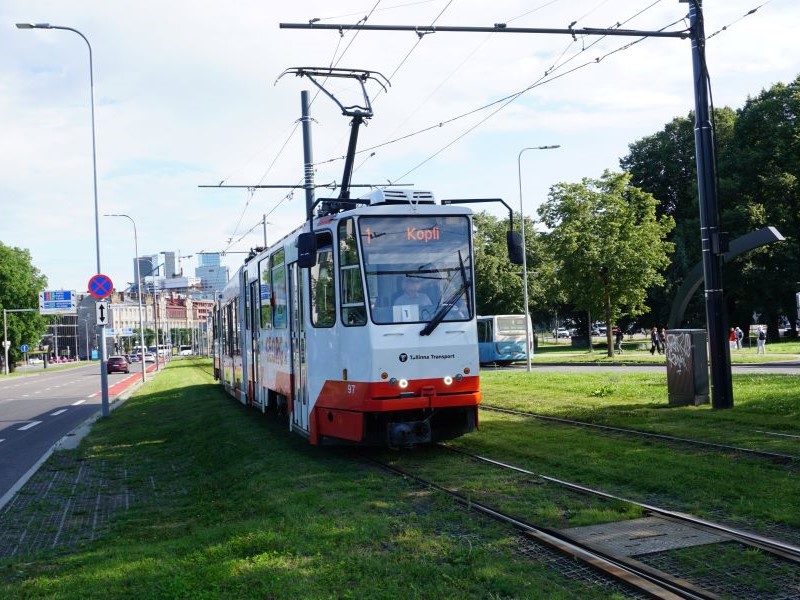
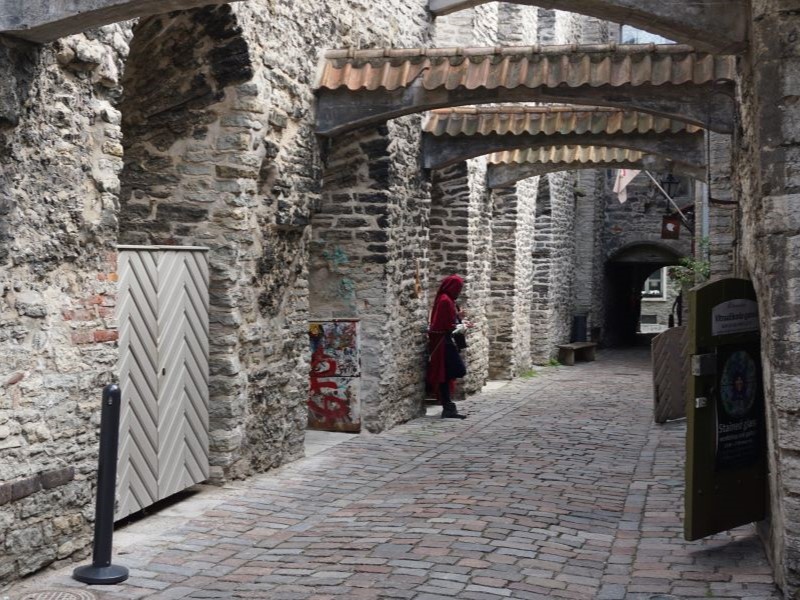
One of the most charming alleys in the old city is the Passage of Santa Caterina, a charming cobbled street with a series of monumental plaques along the walls and many small shops and traditional art workshops.
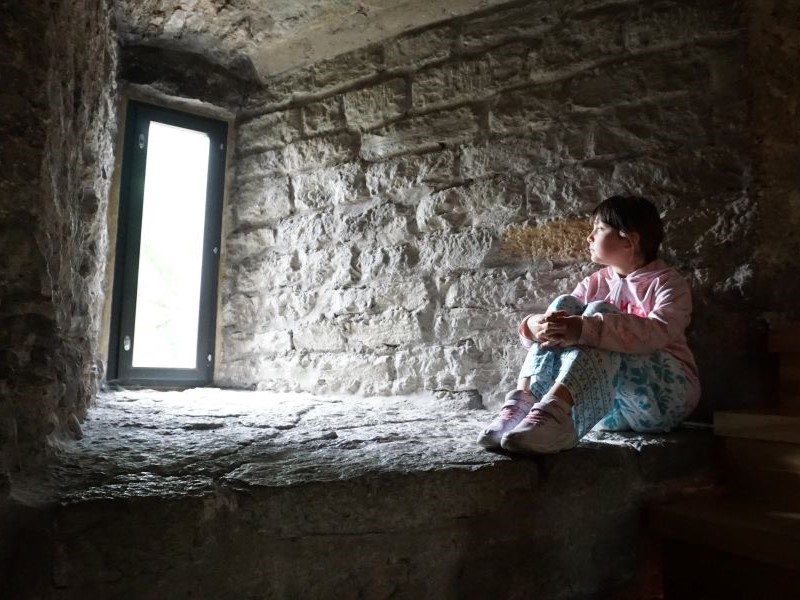
Fortification Museum (Kiek in de kok). An extraordinary itinerary linking four medieval towers. A massive defensive tower whose name, in Old German, meant "peek into the kitchen," referring to the fact that soldiers, from the top of the tower, could peer into farmers' homes directly through their chimneys.
This building is considered one of the most haunted places in Tallinn, with tales of ghosts of monks, the medieval executioner, and even ships floating in the air.
An entire travel guide would be enough to fully illustrate this rich historic center, but our advice remains to lose yourself among its cobbled streets and let the flow of events guide you.
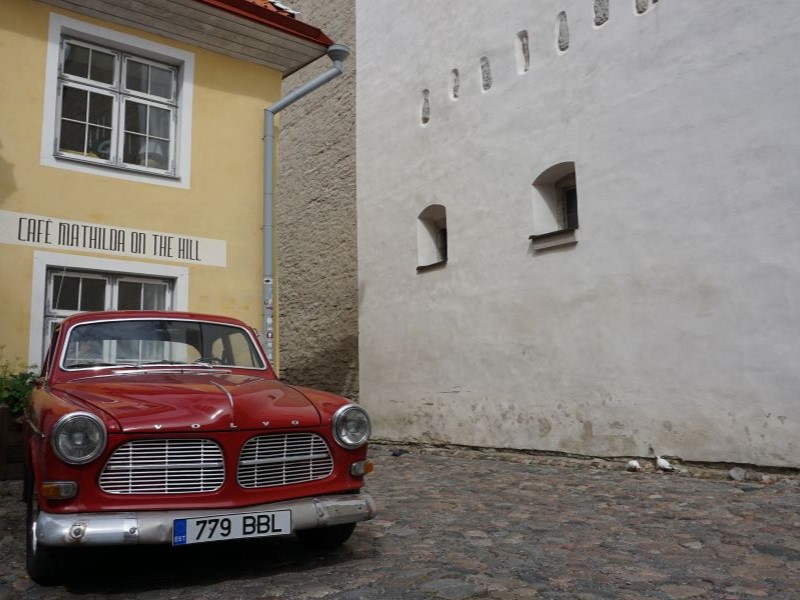
In less than two hours by bus, we admire a different Estonia from the one we saw in Tallinn: old Soviet houses, landscapes populated only by large prairies, and the occasional herd of horses as we arrive in Parnu.
This is the Estonian summer capital par excellence, even the mayor of Tallinn, at the beginning of summer, hands the keys to the city to his counterpart Parnu.
This town combines a vibrant seaside atmosphere with a rich historical heritage and a vibrant spa culture. Its beautiful waterfront and historic center, the heart of the city, are entirely pedestrianized and characterized by colorful 19th-century wooden houses, artisan boutiques, and charming outdoor cafés.
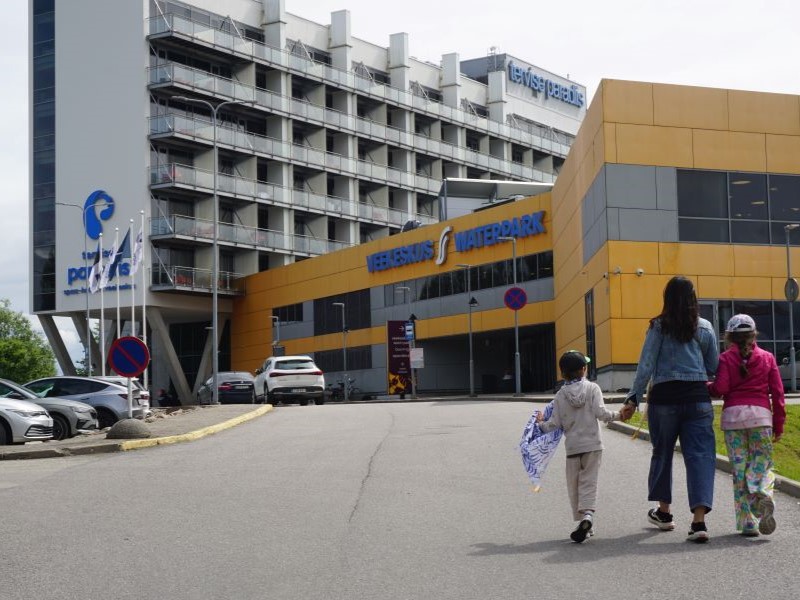
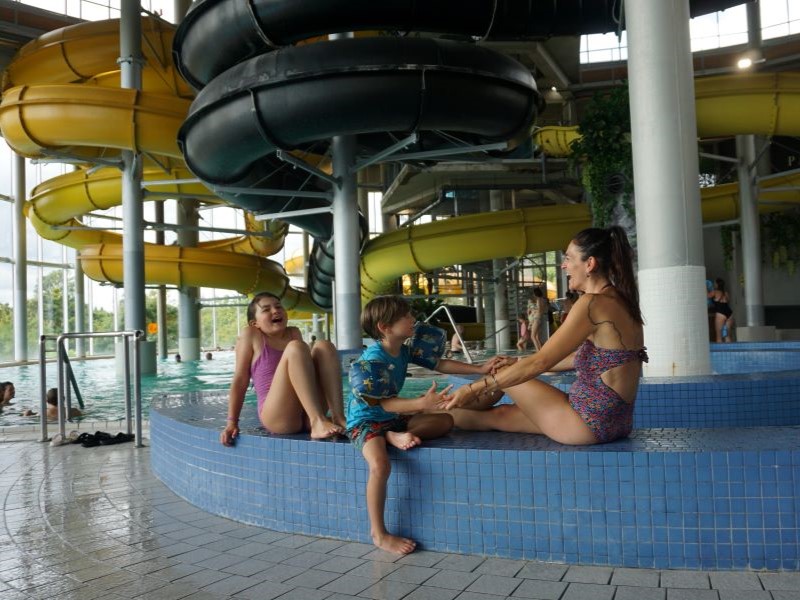
We will spend two days here at Tervise Paradiis, Estonia's largest indoor water park, perfect for families and your well-being; it features several pools, some heated, a 4-meter diving board, tube slides, as well as several saunas and a romantic café overlooking the gulf.
Tallinn Gate. This is the only 17th-century city gate still intact in the entire Baltic States. It narrowly survived destruction when all the fortifications were demolished in the 19th century. This ancient gate was saved by the people of Pärnu for its great symbolic value.
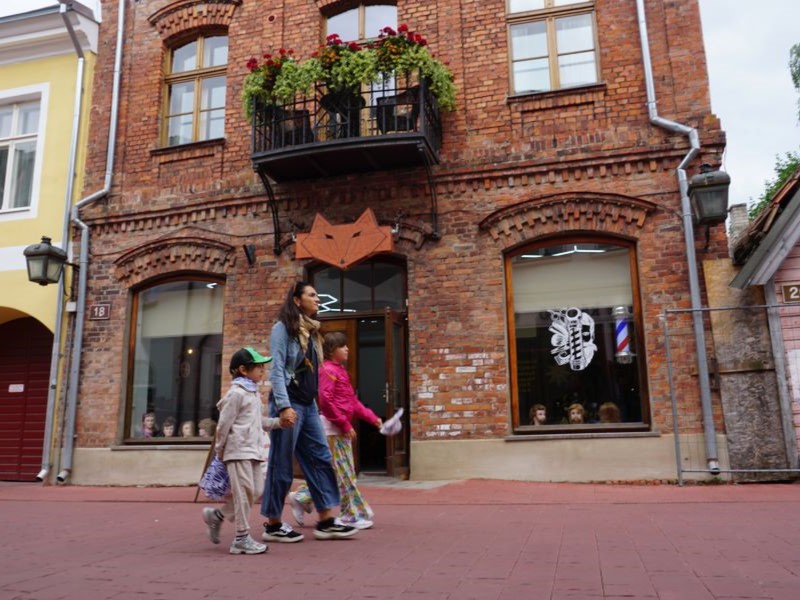
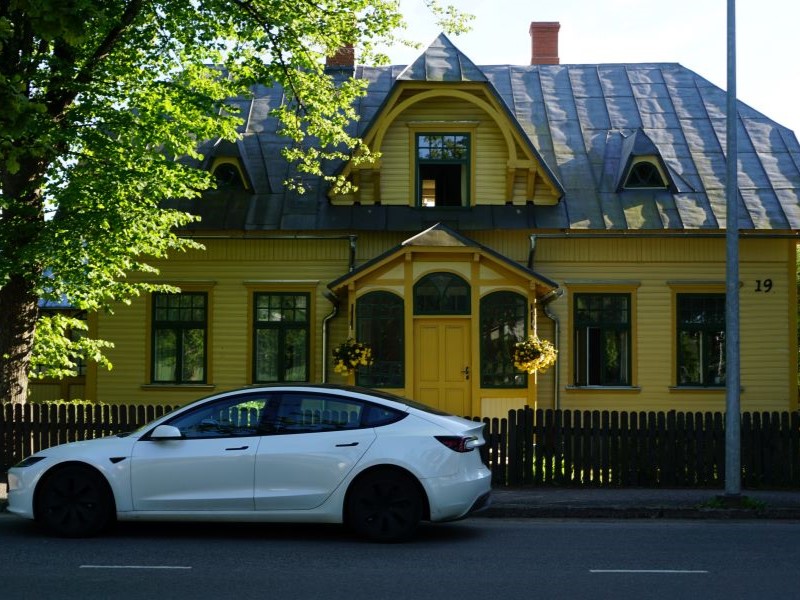
We set off early in the morning from our hotel in Párnu, walking to the bus station. The incredibly comfortable Lux Express bus takes us to my beloved Riga in two and a half hours.
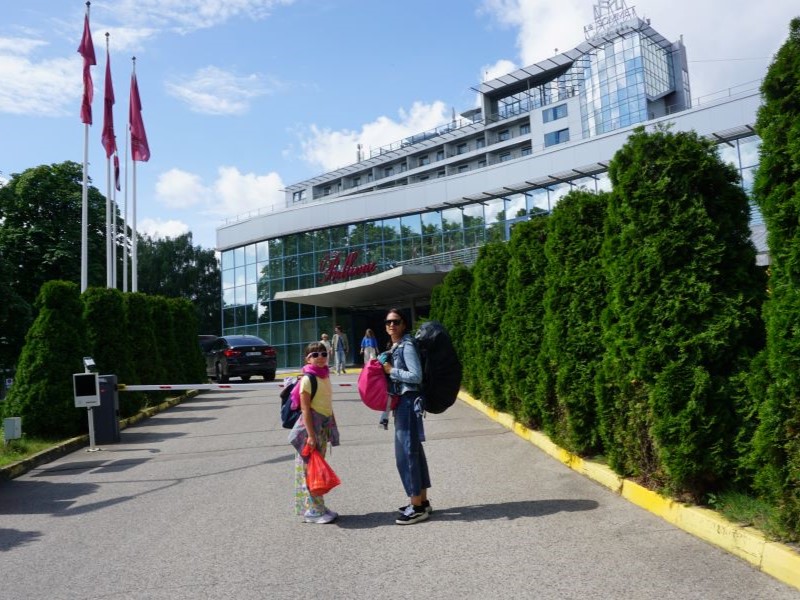
We will also spend two days here and stay at the Bellevue Hotel, located directly across from the picturesque Uzvaras Park, "Victory Park," just a 20-minute walk from the Old Town, or easily reached by tram in five minutes. The rooms are very large, spacious, and bright, with beautiful views of the city and the Daugava River, making them an excellent choice for families.
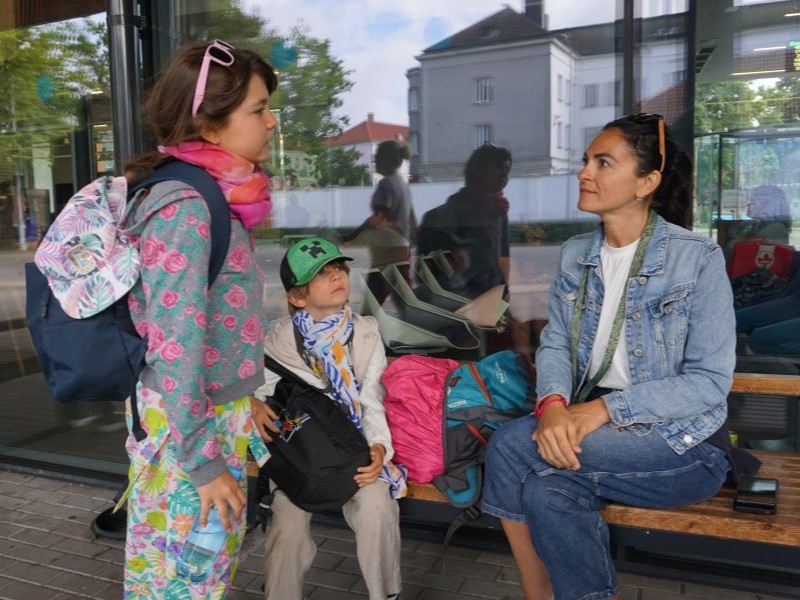
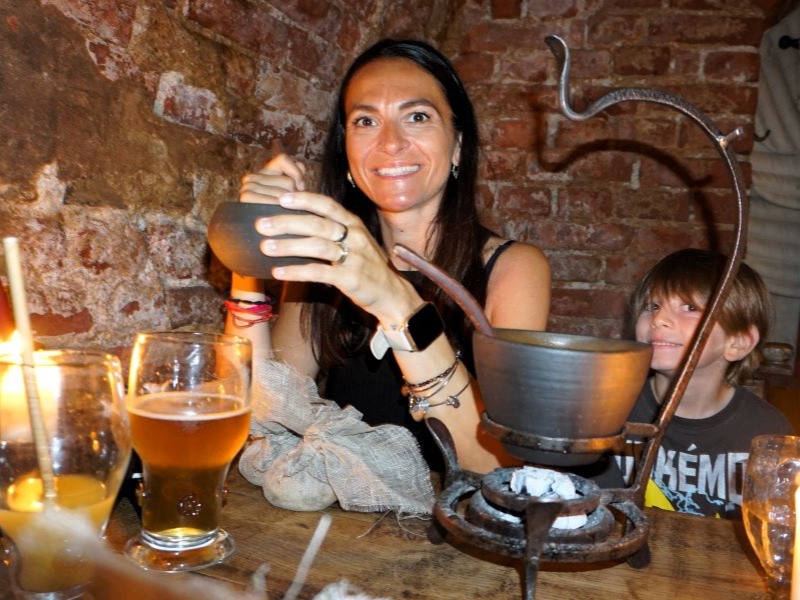
In the city center, we head straight to Rozengrals, a medieval-style restaurant located in cellars dating back to 1293. The waiters wear period clothing, and the background music is medieval melodies. The atmosphere is unique, with only candlelight. The dishes are inspired by real traditional recipes of the time: the chicken soup and pork knuckle are excellent. Activity organized by Live Riga.
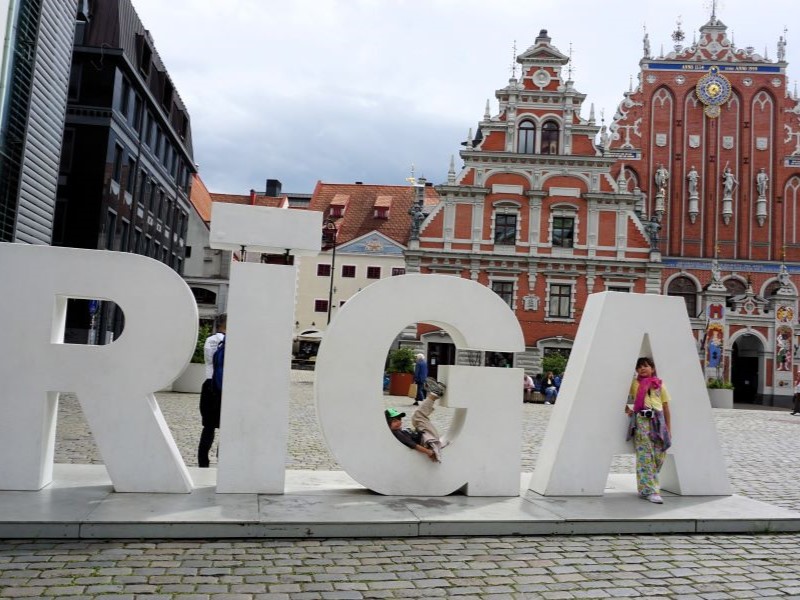
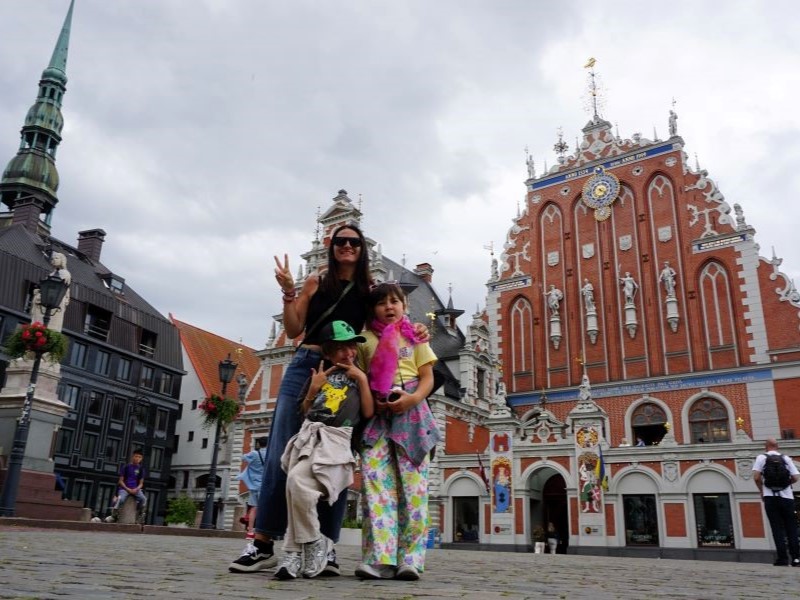
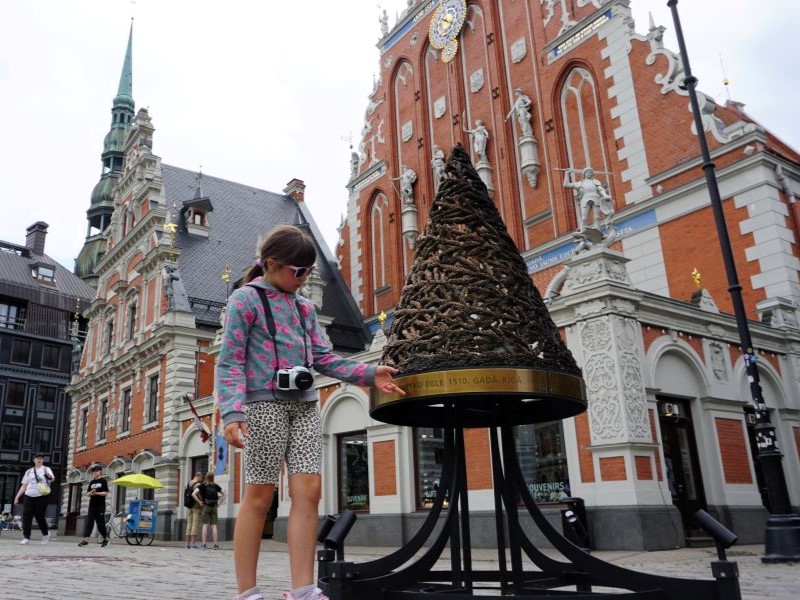
A few steps away stands the Riga Town Hall (Rigas Ratsnams) on the famous square of the same name, an undisputed symbol of the city thanks to its architecture and colors.
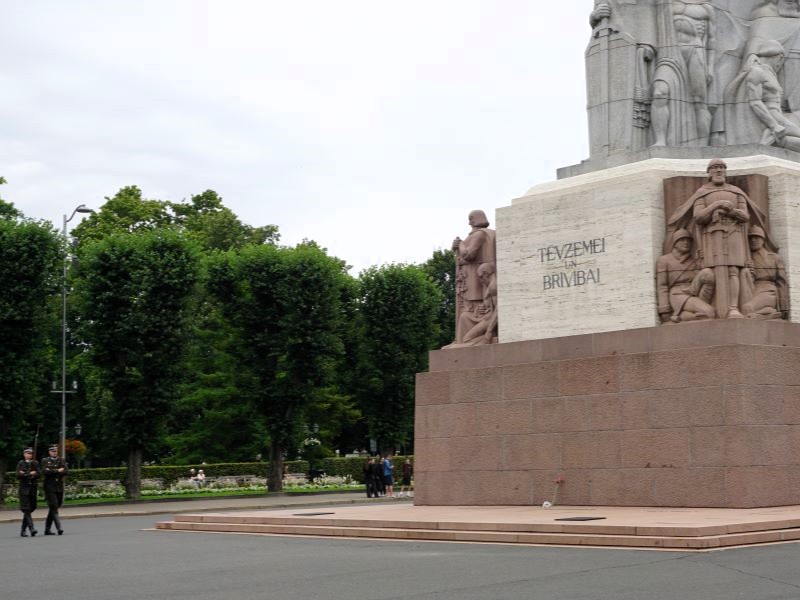
Here also stands the majestic statue of Roland, a symbol of freedom and the Km 0 point, the geometric center of the city, and the famous monument of the Three Latvian Riflemen, three soldiers sculpted from a solid block of red granite, a monument that honors all the Latvian soldiers who fought in the First World War.
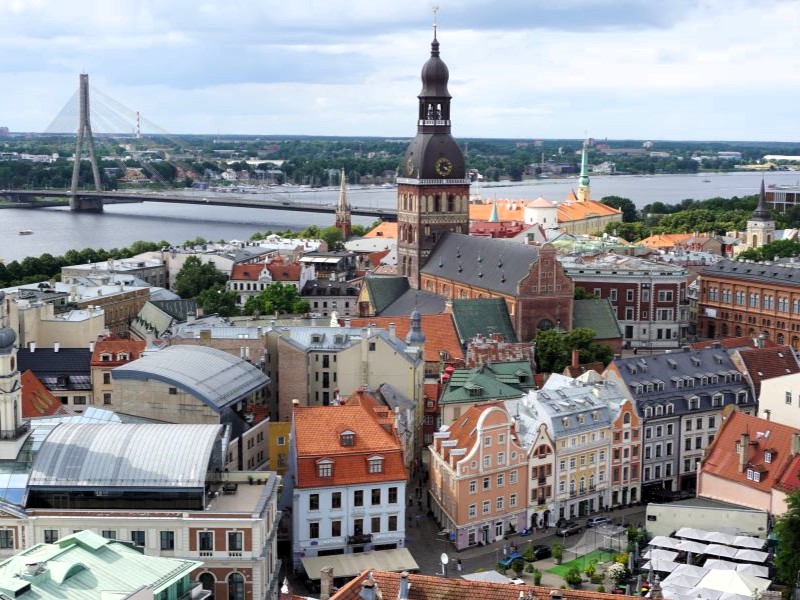
Another great symbol of the city is St. Peter's Church and its tower, perhaps the most iconic vantage point with a 360-degree view of the Old Town. At the top of the spire stands a massive 160-kg golden rooster, the seventh in history, as previous roosters were knocked down by storms or fires.
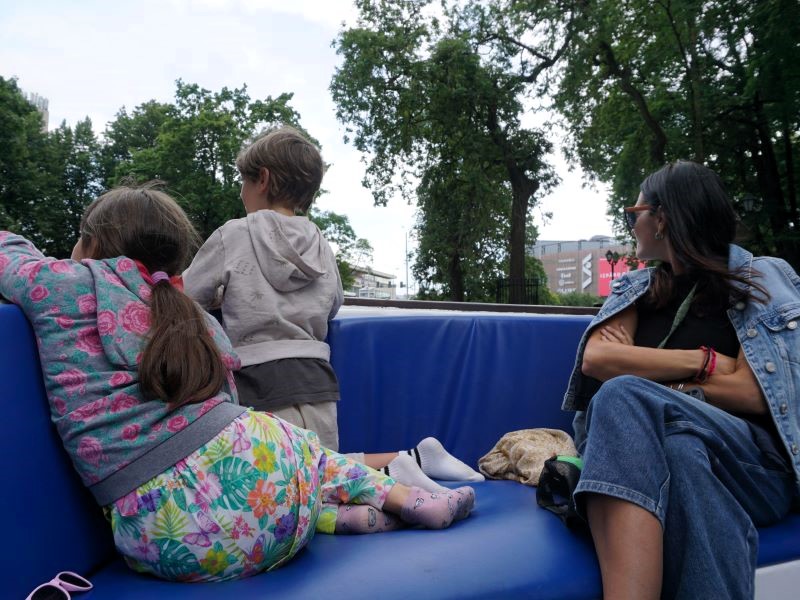
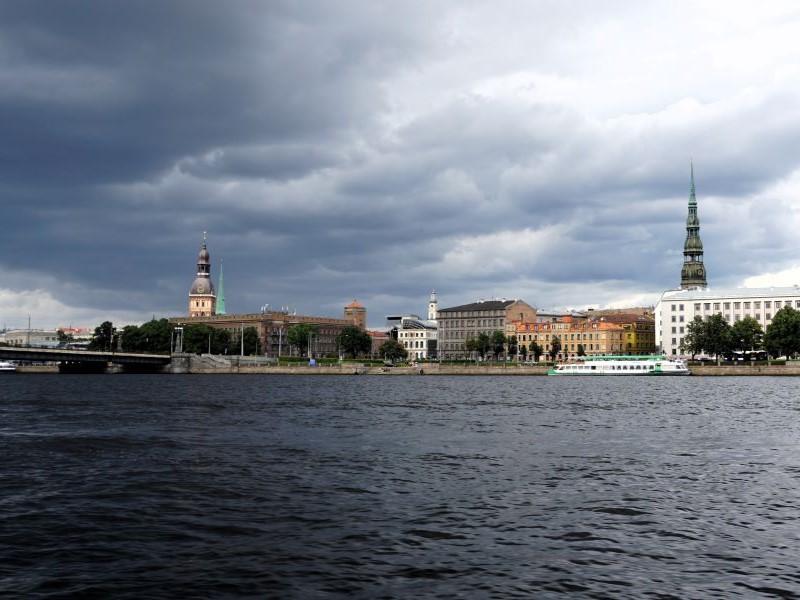
Lose yourself in the picturesque old town, wandering its narrow streets, now packed with tourists and the outdoor terraces of its many charming restaurants. Take the opportunity to admire this beautiful city from a different perspective aboard a boat that will take you for an hour along the canals of the Daugava River, passing by spacious green parks, picturesque bridges, and some of the city's most famous monuments, all while relaxing on the Daugava River.
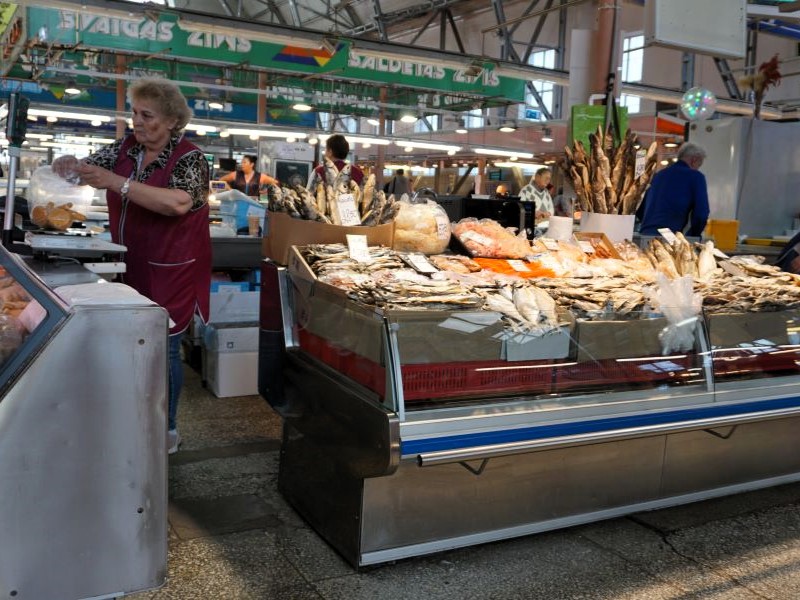
Riga Central Market (Riga Centraltirgus), Europe's largest covered market and a UNESCO World Heritage Site, consists of five enormous hangars built for the construction of German Zeppelin airships during World War I. Each pavilion specializes in a specific product: fish, meat, fruit and vegetables, dairy products, and delicatessen. Try the piragi (baked rolls filled with bacon and onion).
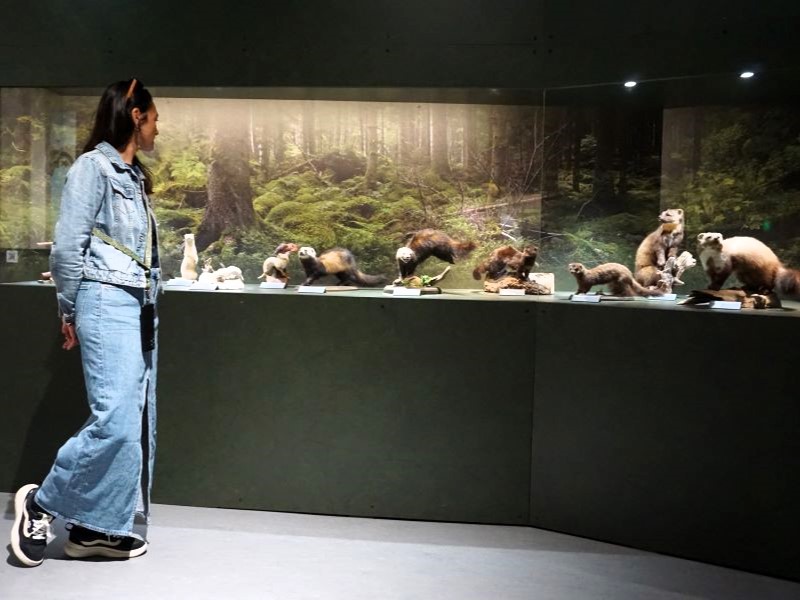
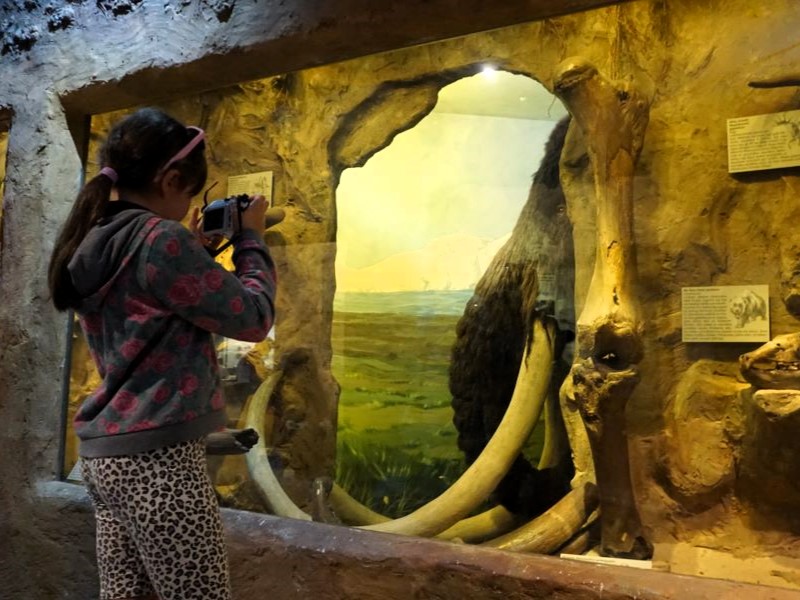
The Latvian National Museum of Natural History (Latvijas Nacionalais Dabas Muzeji) is a stunning museum, founded in the late 1800s and boasting a collection of over 300,000 artifacts that tell the geological, flora, and fauna of Latvia and the world. It's a particularly interesting museum for families, offering the little ones the opportunity to interact and better understand the many themes on display.
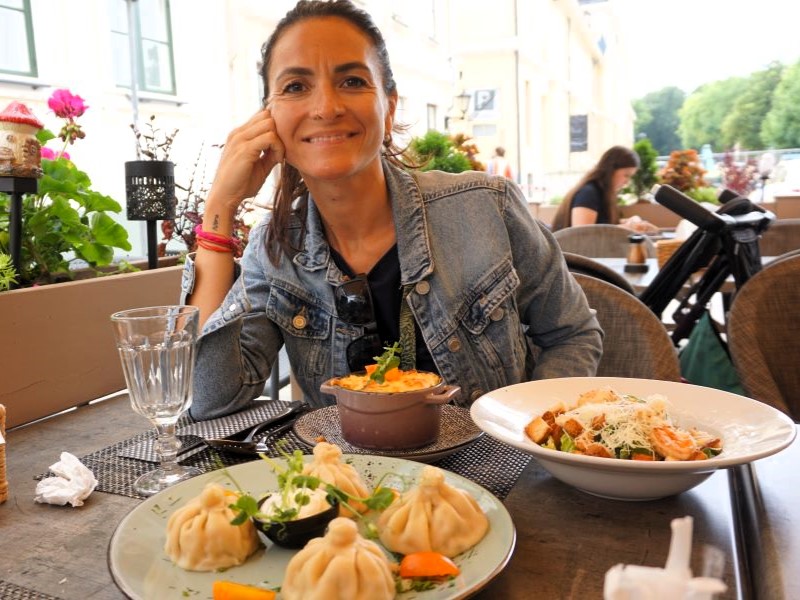
We stop for lunch at "Zviedru Vartu," a cozy restaurant in the Old Town next to the Swedish Gate. The atmosphere is beautiful, intimate, and relaxing, making it a great pit stop during our full immersion in the Old Town.
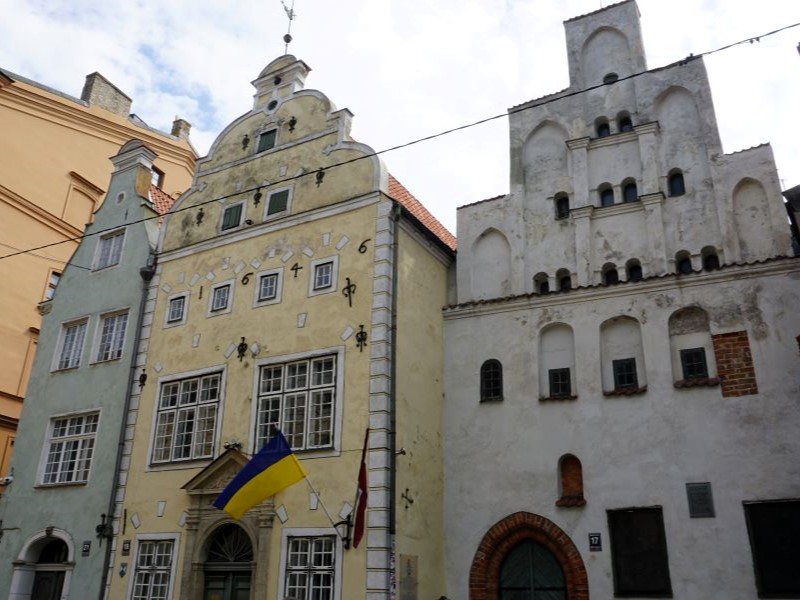
The Three Brothers (Tris Brali) is the oldest residential complex in Riga, built in three different centuries. In reality, the builders were not actually brothers, but rather members of the same family, albeit in three different generations.
Consequently: the older brother (late fifteenth century), Gothic-Renaissance period. Interesting fact: the windows are very small because at the time there was a tax on window size; the larger they were, the more you paid.
Middle brother (16th century), Dutch Mannerism period and younger brother to the 17th century Baroque style.
Not far away stands the famous Cat House.
Legend has it that a wealthy merchant longed to join the city's nobles' club, the Great Guild, but was refused admission. In retaliation, he built a palace directly opposite the Guild, and on the roof's peaks, he installed two large black copper cats, their rears facing the windows of the King of the Nobles. A long legal battle ensued, with the wealthy merchant victorious. Eventually, he was admitted to the club, and the two cats swapped sides.
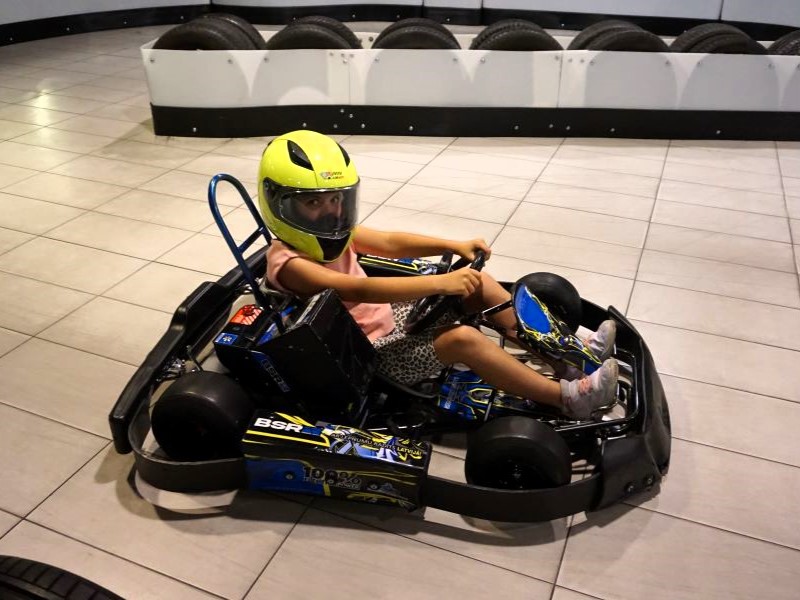
When traveling with kids, you need to make some time for them too, so here we are, racing go-karts, shooting dragons using virtual reality headsets, playing minigolf, and shooting air rifles at the super-fun GunsnLasers, right in the city center, inside the Galerija Centrs for a couple of hours of pure fun.
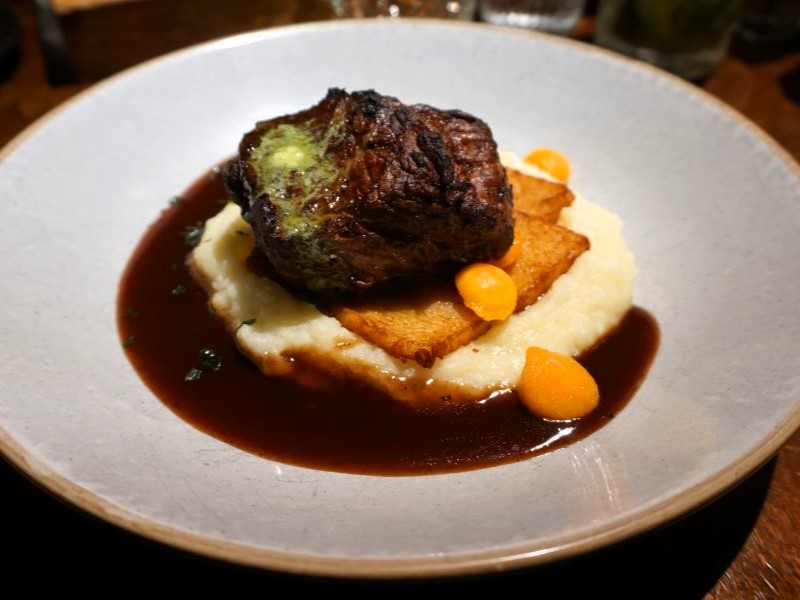
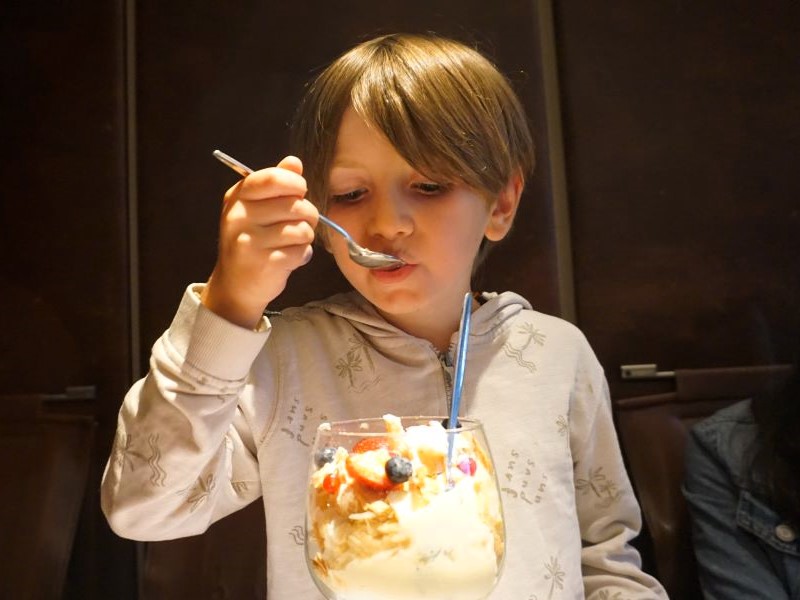
We end the evening with an excellent dinner at B Bars Restorans, one of the city's most popular cocktail bars; the mojito soda and soups are exquisite, but especially the "Sweet Napoleon," one of Latvia's most beloved desserts, a puff pastry with butter custard and cranberries.
A journey of over four hours takes us to the Lithuanian coast, specifically to Palanga. The weather isn't good, but we chose this stop to relax a bit.
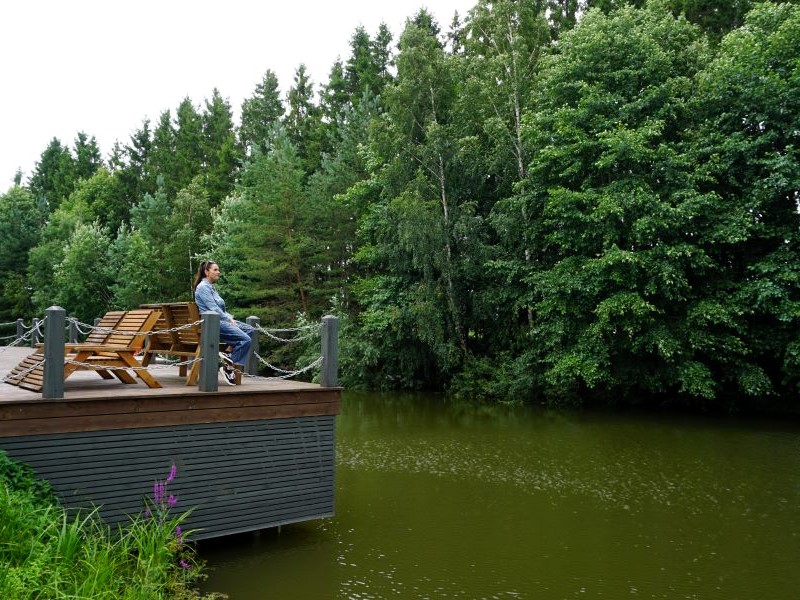
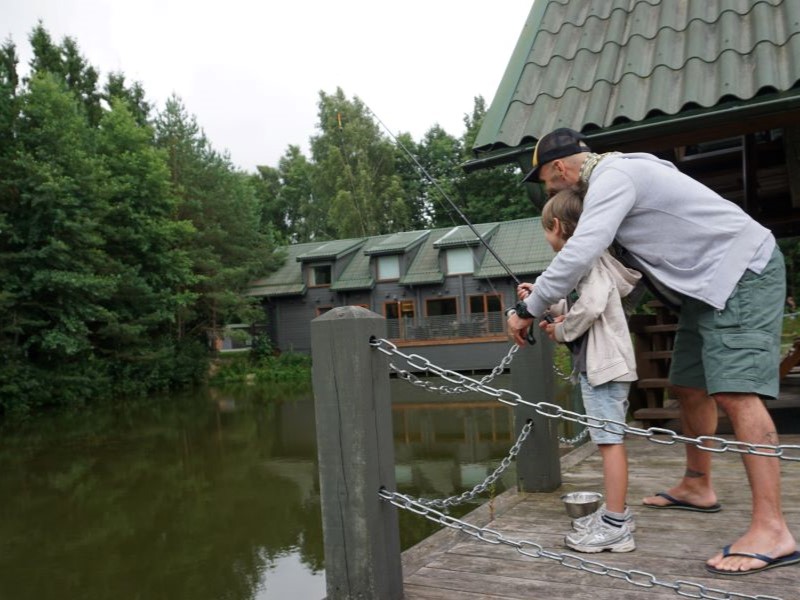
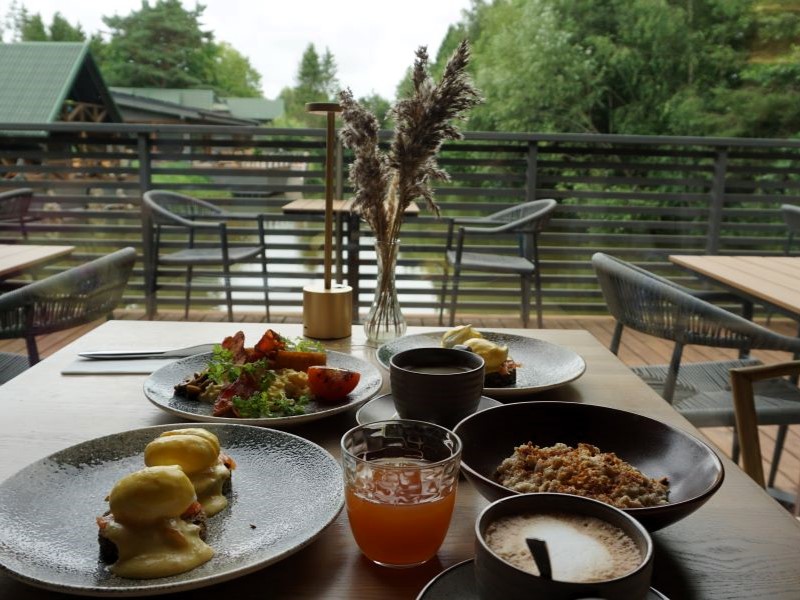
We are staying at the Zelve Village, a true oasis in the Lithuanian forest, a small eco wellness resort surrounded by greenery and located in the small, depopulating rural village of Zelviai, a 10-minute drive from the seaside resort of Palanga, a refuge where relaxation and detox are the key words surrounded by a dense fir forest and you can enjoy absolute silence.
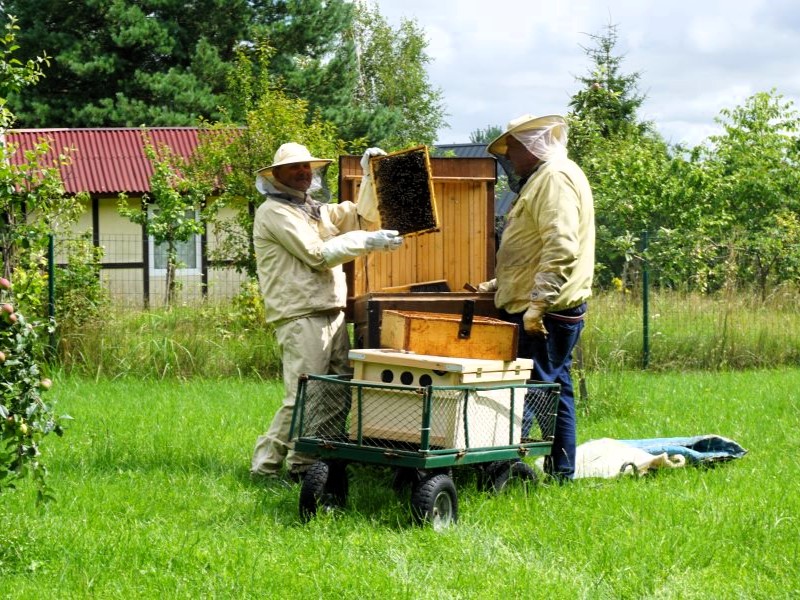
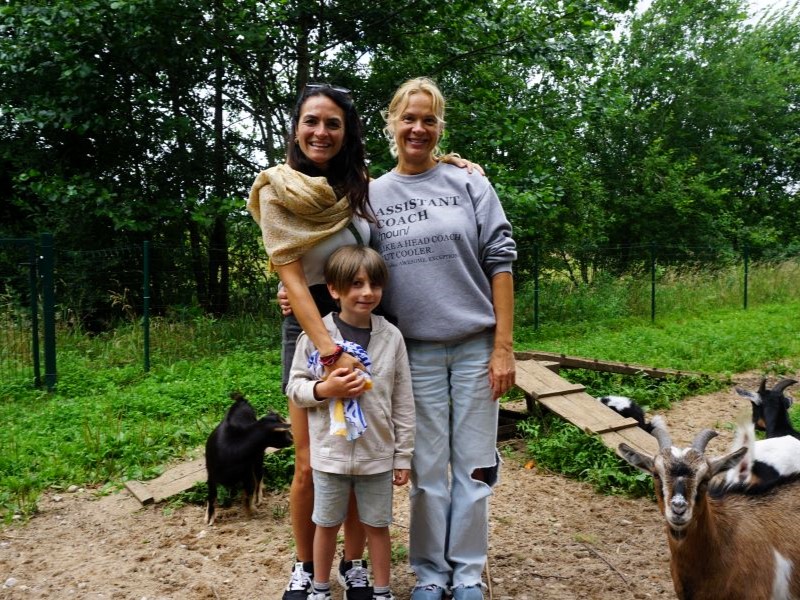
We were struck not only by the kindness and helpfulness of Ausra and her daughter Elze, but also by the concept of sustainability: the property has its own vegetable garden from which it harvests organic, zero-mile products used in the excellent cuisine.
After a four-hour bus ride from Klaipeda, we arrive in Lithuania's capital: Vilnius. We stay at the beautiful Radisson Blu Lietuva, right along the banks of the River Neris, a few steps from the famous White Bridge which will take you directly to the wonderful old town, a UNESCO heritage site.
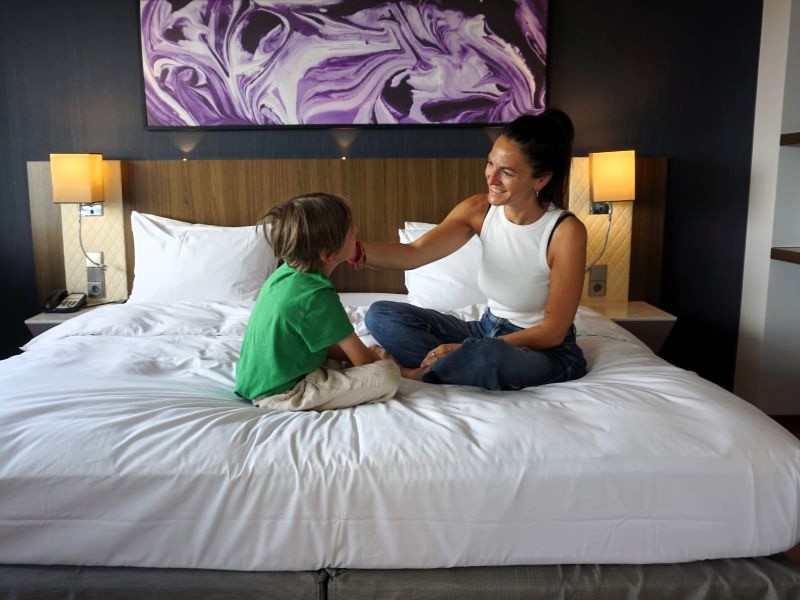
Our room was wonderful, spacious and with a panoramic view of the city thanks to the enormous windows. It was perfect for a family with children thanks to the large spaces and the attention of the staff towards the little ones.
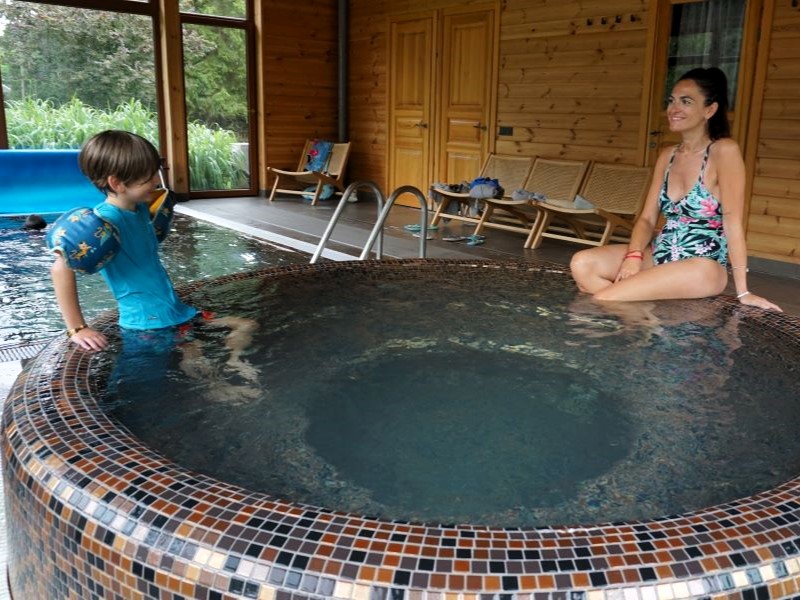
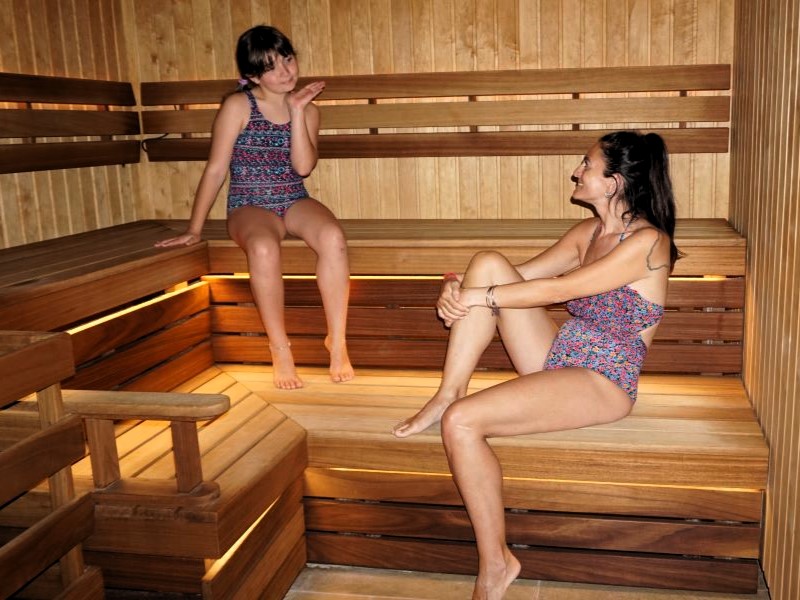
The spa is highly recommended, with its healthy, regenerating effects after a whole day spent exploring this splendid city.
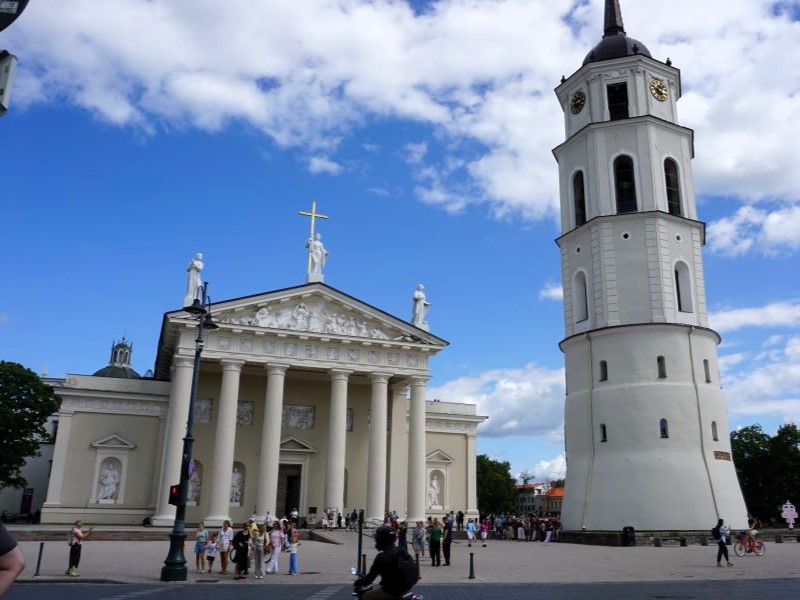
We begin our tour at Vilnius Cathedral where, in addition to the beauty of the church and its bell tower, you will be fascinated by the history of the famous “stebuklas” tile, a small tile that you have to step on and spin around while making a wish.
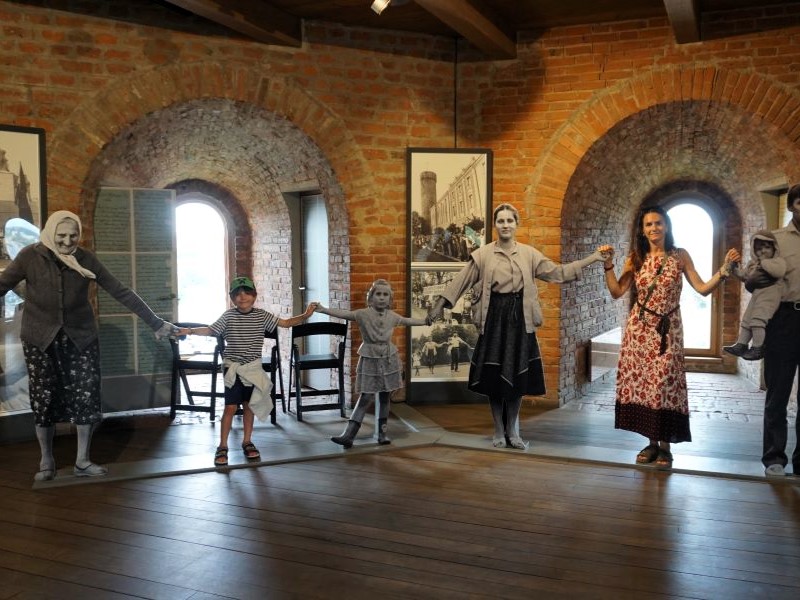
This marks the starting point of the famous Baltic Road of 1989, the 600km human chain against the Soviet occupation.
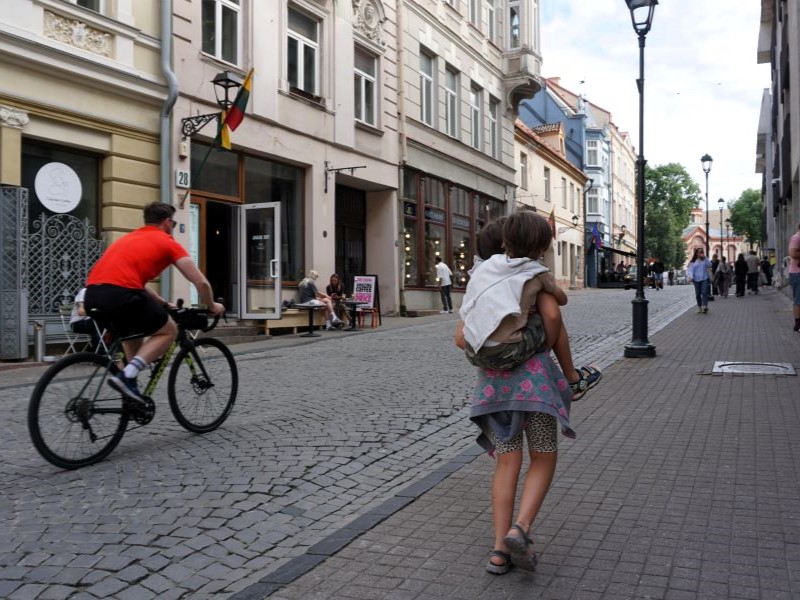
Continuing, take Pilies Gatve (Castle Street), the oldest and most picturesque street in the old town. Over time, it was traversed by kings, dukes, and foreign ambassadors who made triumphant entrances into the city. Today, it's a wonderful pedestrian street filled with sophisticated cafes, craft shops, and restaurants.
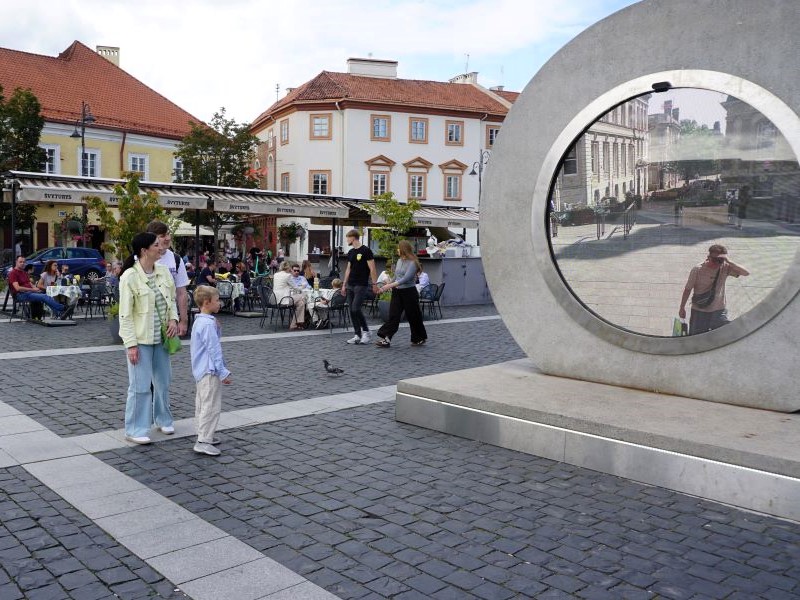
Finally, you'll reach Town Hall Square, home to the hilarious "Portal," a circular sculpture that functions like a sci-fi portal thanks to a large display connected 24/7 to the squares of Dublin (Ireland), Lublin (Poland), Philadelphia (USA), Manila (Philippines), and Barra Grande (Brazil). It's wonderful, and at times touching, to interact with all the passers-by from these countries, exchanging greetings and joking with them for a few minutes...
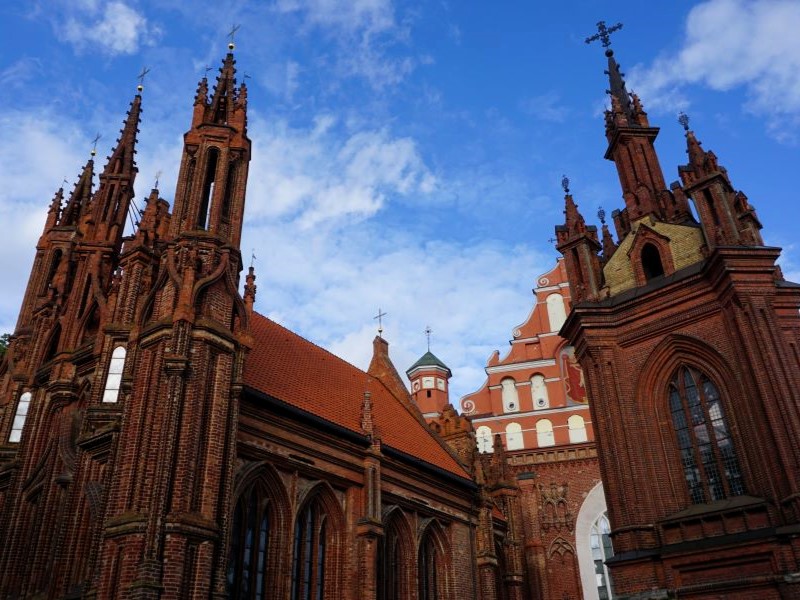
St. Anne's Church, an absolute masterpiece of late Gothic architecture in Lithuania. Legend has it that during the Russian campaign of 1812, Napoleon, passing through Vilnius, was so captivated by its beauty that he exclaimed, "If only I could carry it in the palm of my hand, I would place it next to Notre Dame de Paris."
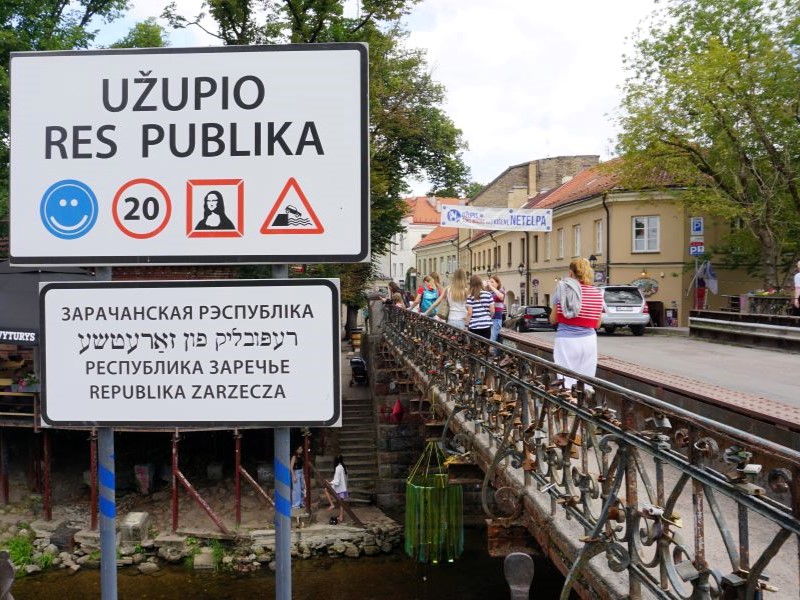
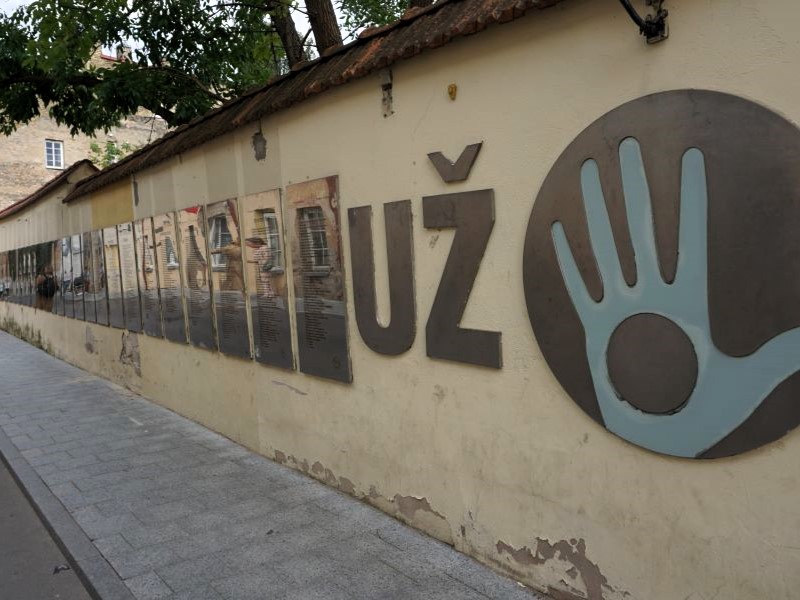
Republic of Uzupis. The artists' quarter, a self-proclaimed micronation in 1997, transformed from one of Vilnius's poorest and most dangerous neighborhoods into the most famous artistic tourist hub.
A large statue of an angel will welcome you: a symbol of rebirth and freedom. Along the street stands the world's most bizarre constitution, with 41 articles translated into 50 languages.
There are some hilarious laws, like: everyone has the right to be happy, or to make mistakes, or to be misunderstood... to name a few! He even had a small army of 11 people, later dismissed for his pacifist philosophy. Finally, his government meets at the "Uzupio Kavine," a pub next to the main bridge—what better place to make decisions while sipping a good pint of beer?
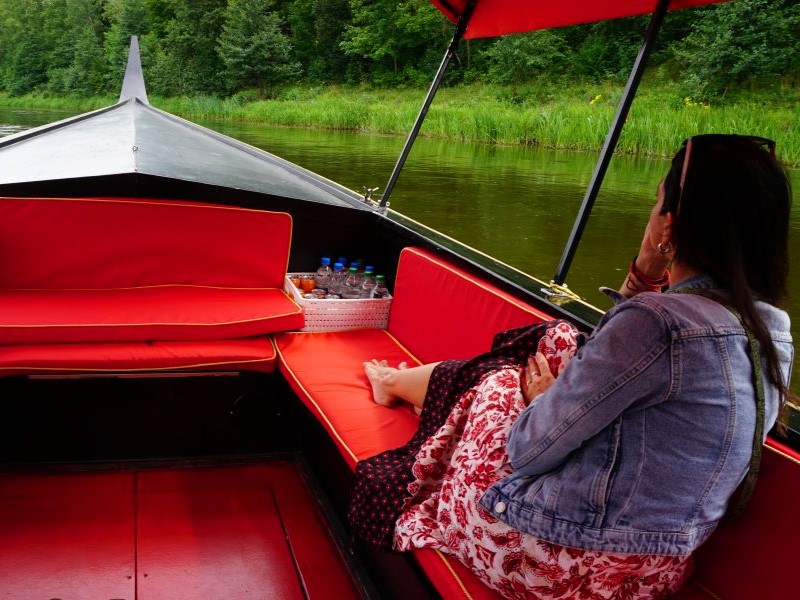
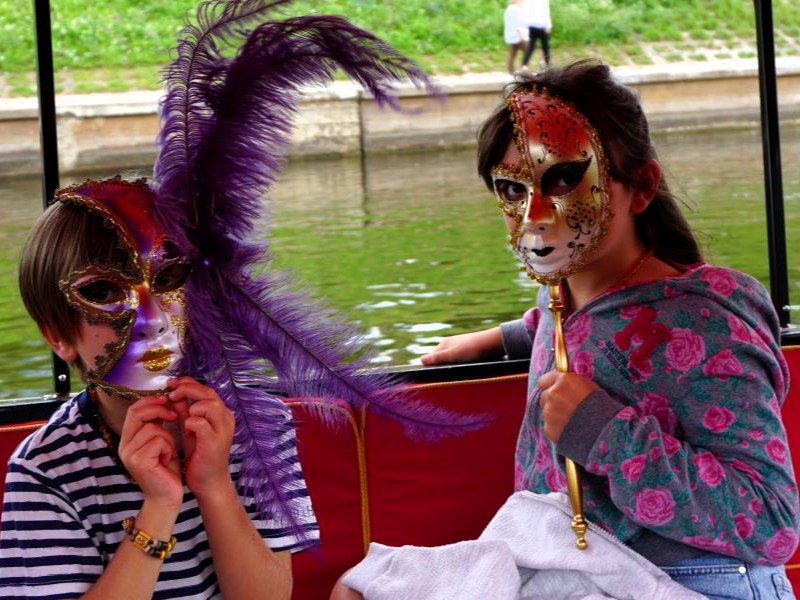
This morning the Neris river becomes a great stage thanks to the beautiful gondola ride, starting near the Mindaugas Bridge, the route allows you to admire the city from a very particular point of view and the explanation, also in your language, will make you appreciate this city even more, activity included in the Go Vilnius Pass, here too we recommend using this card, valid for 48 hours, to access many attractions while saving time and money!
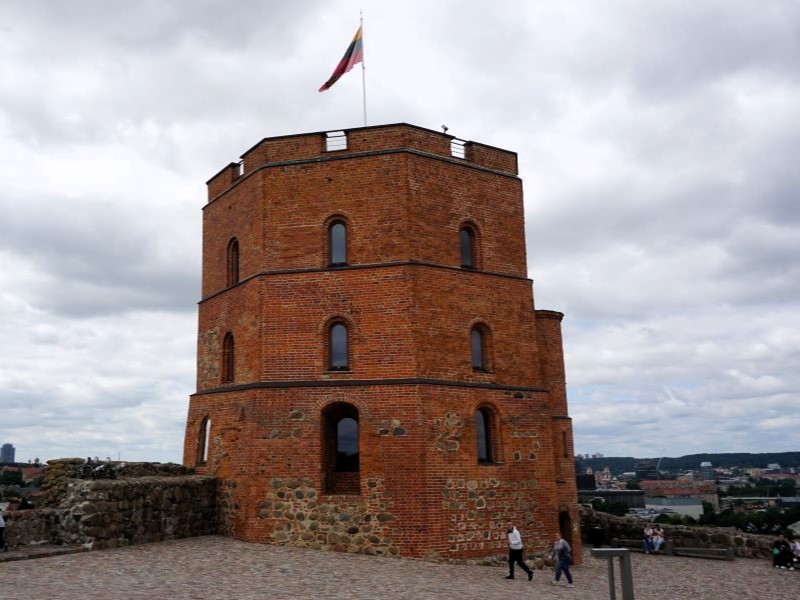
We take the funicular to reach the Vilnius Castle complex, a historic symbol of Lithuania. Legend has it that Grand Duke Gediminas founded this city after dreaming of an iron wolf howling like a hundred wolves, looking in the direction where Vilnius now stands.
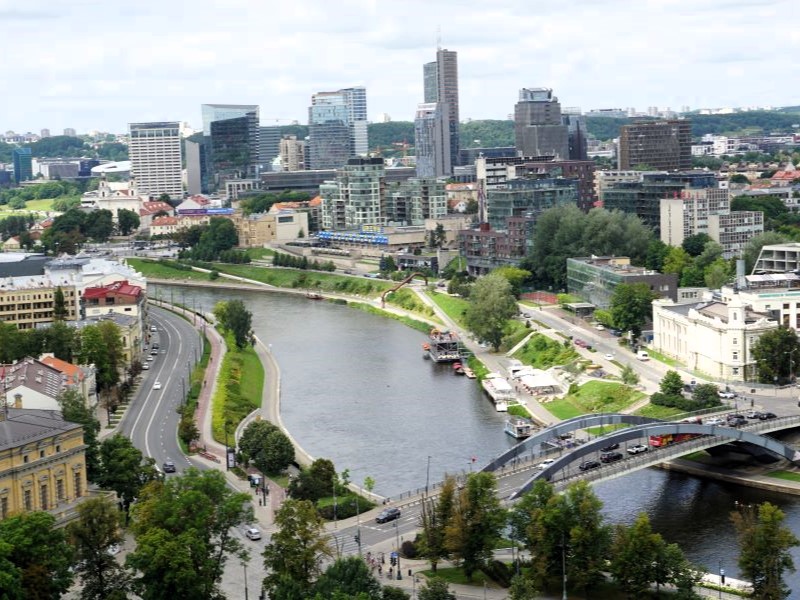
The view from Gediminas' Tower is beautiful, allowing you to admire the wonderful city in 360 degrees.
We stopped for lunch at a delicious traditional restaurant to try the typical cepelinai, potato dumplings stuffed with meat. You can't leave without trying this quintessential Lithuanian dish...
We also climb the cathedral bell tower, a former defense tower; in fact, it was built for military purposes before being absorbed and converted into the cathedral bell tower, and precisely at 5 pm when all the bells warn the city that the new hour has struck.
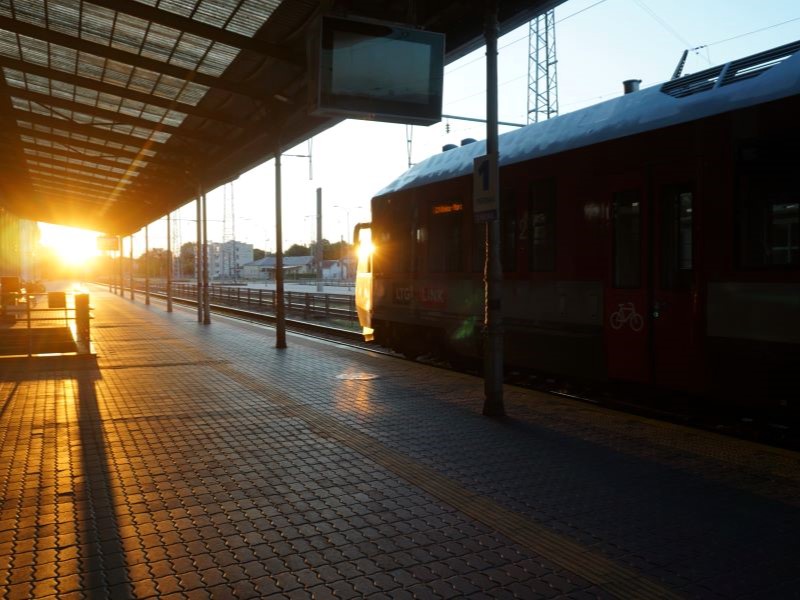
There is no direct train between Vilnius and Warsaw due to the different track gauges. Lithuania still uses the wider one inherited from the Soviet period, although the Baltic republics will adapt to the European standard in the future.
A couple and a half hours from Vilnius we arrive in Mockava in a very comfortable and colourful train, here the second train awaits us to leave again for the Polish capital, another four hours of travel,
Warsaw welcomes us with 35 degrees and a mugginess we were not used to.
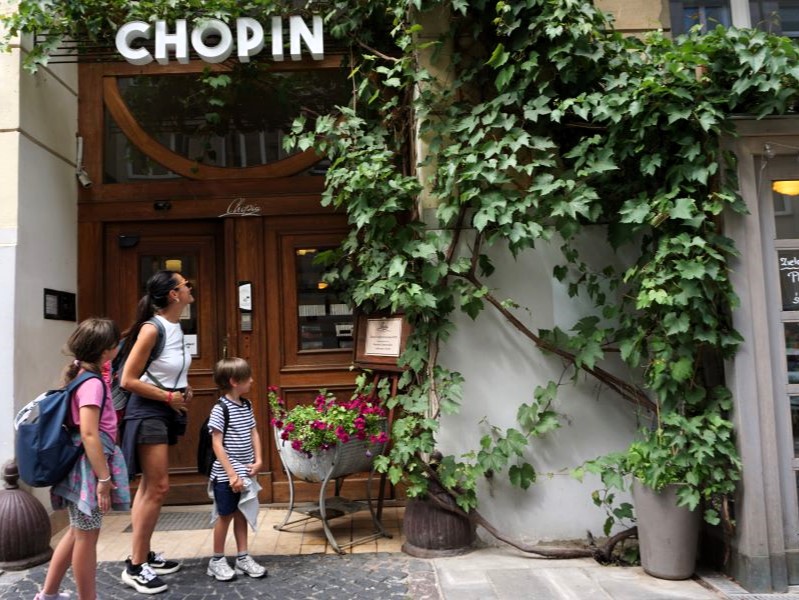
We reach our destination on foot Hotel Chopin Boutique, located in a historic building from 1910. Interesting fact: classical music concerts are held here every evening at 7 pm and each room is different, furnished with authentic antique furniture and named after Polish figures.
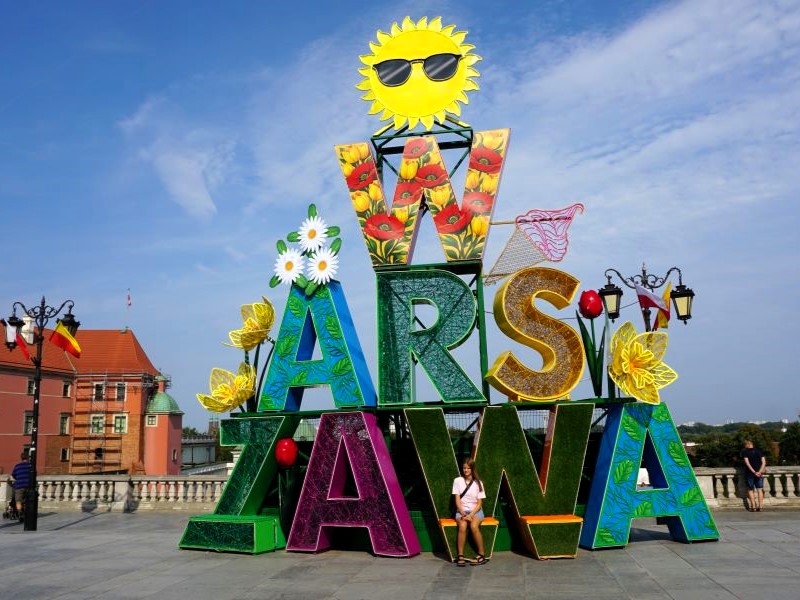
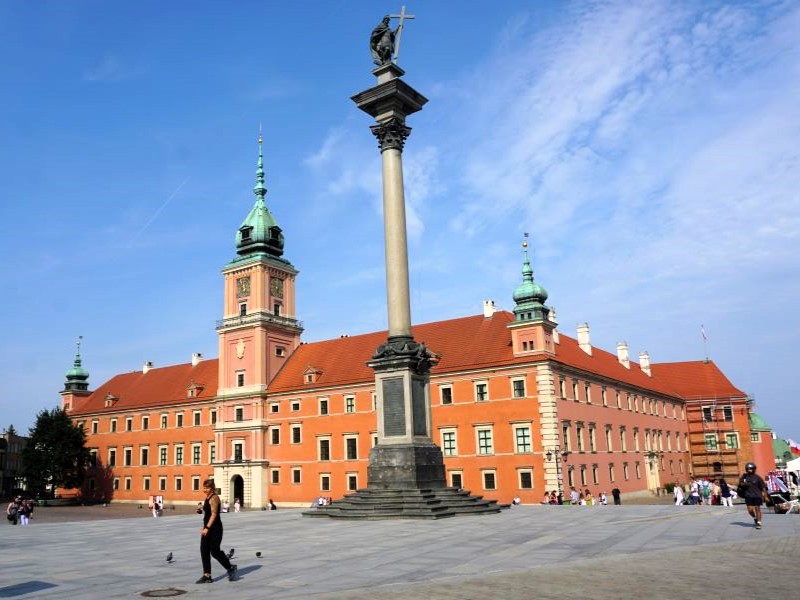
Castle Square is the starting point for a visit to the Old Town (Stare Miasto), featuring the stunning Royal Castle with its anti-static Sigismund's Column. The entire historic center was razed to the ground during World War II and completely rebuilt using the paintings of Italian painter Bernardo Bellotto, known as Canaletto, as he meticulously captured even the smallest details in his paintings.
Old Town Market Square, surrounded by the pastel-colored Renaissance, Baroque, and Gothic facades of the various houses... In the center stands the statue of the Little Mermaid of Warsaw. Legend has it that the Little Mermaid was swimming in the Vistula River when she decided to rest on the Warsaw bank. She fell in love with the place, but was captured by a merchant who paid her to sing and later freed by a young shepherd... from that day on, the warrior mermaid decided to protect the city with her sword. Today, she is the symbol of Warsaw!
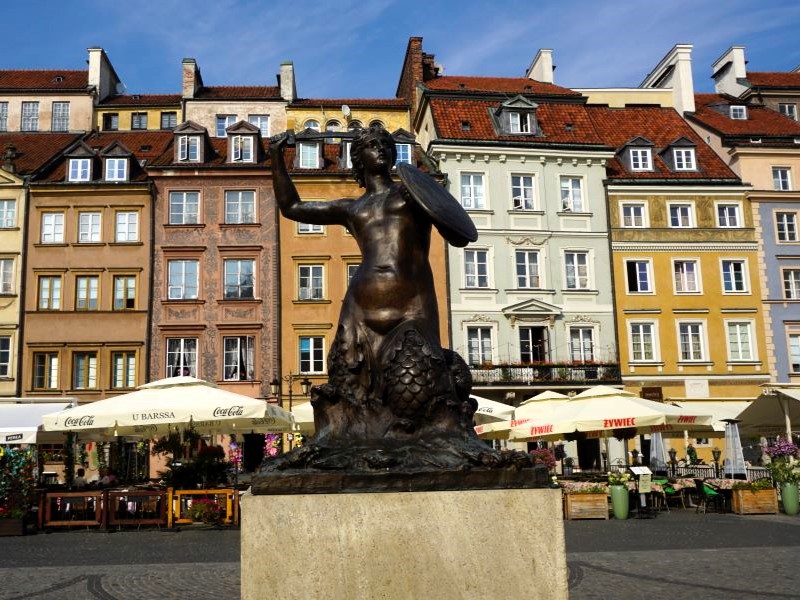
Opposite is the Museum of Illusion, recommended to us by Go 2 Warsaw, an excellent way to entertain children while visiting the city.
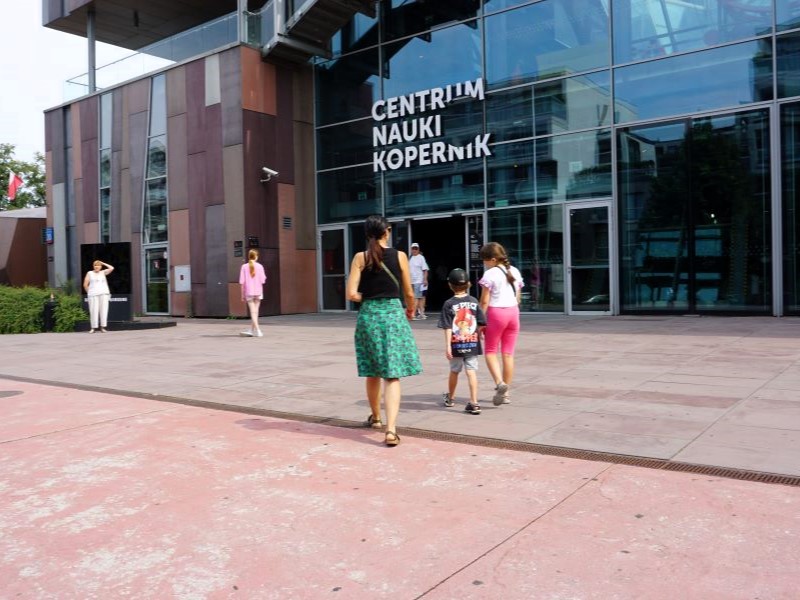
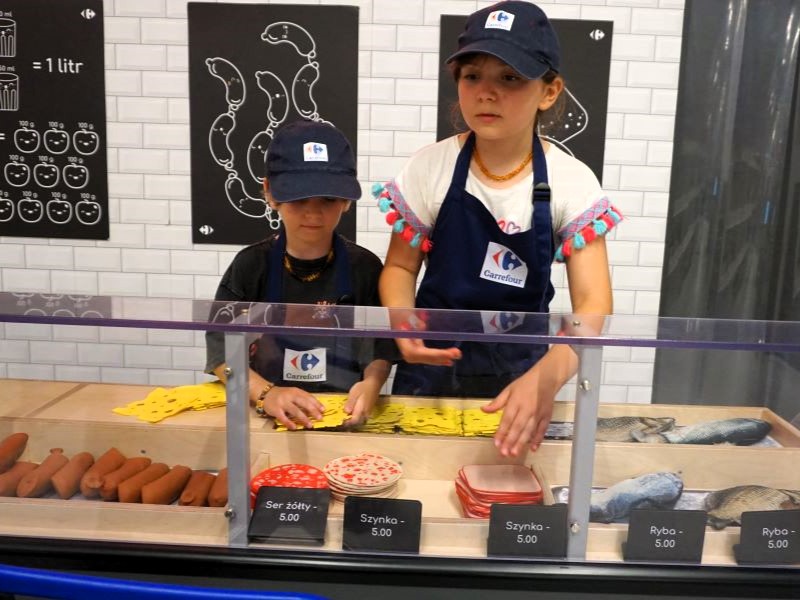
Copernicus Science Centre, the largest interactive science museum in Poland, features beautiful thematic exhibitions on physics and biology, as well as numerous experiments that will interest and engage both adults and children.
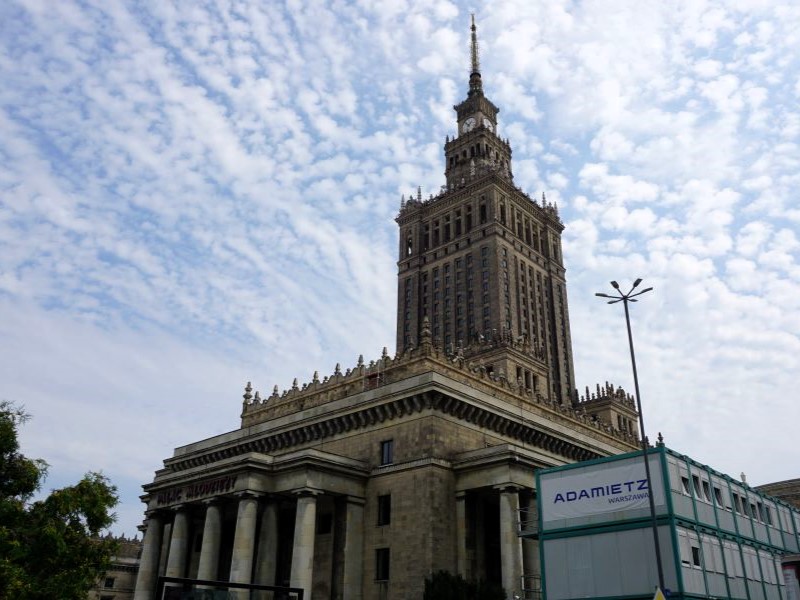
Palace of Culture and Science. The city's most iconic and majestic building, built in the 1950s, was commissioned by Stalin as a gift from the Soviet people to the Poles. For this very reason, residents long viewed it as a symbol of communist oppression. Among its curiosities: a colony of 60 cats lives in the basement to keep the building free of mice; on the 45th floor there is a peregrine falcon nest, on the 6th floor a large apiary, and on the 30th floor a wonderful 360° viewpoint overlooking the entire city.
The icing on the cake for our children was the visit, lasting a couple of hours, to the Smart Kids Planet... truly a small planet of games created just for the little ones where they will be able to have fun in their little world!
After a delicious dinner in one of the many restaurants in Nowy Swiat, we say goodbye to this wonderful country!

Error: No feed found.
Please go to the Instagram Feed settings page to create a feed.