
Capital:
Thimphu
Currency
Ngultrum
Best time to visit:
October and November (just after the monsoon) are the most pleasant times to visit Bhutan, especially for hiking in the mountains. It's best to avoid both the monsoon season (mid-June to September) and winter (December to February), when it's cold almost everywhere. At high altitudes, warm clothing is necessary year-round.
In a word:
དྲོ༌པ༌བདེ༌ལེགས (hello)
Vaccines
None
Warnings:
– It is not recommended to take children under one year of age above 1200 meters, and children under 10 years of age above 3000 meters.
At the table:
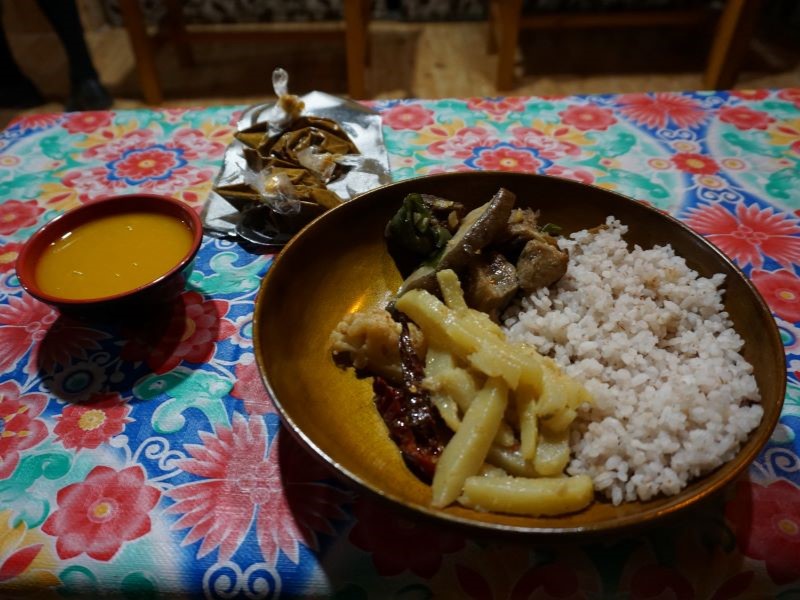
Away from the tourist areas, you'll have to settle for daal bhaat (rice with lentils), noodles, omelets, and instant soups. Try momos (fried or steamed Tibetan dumplings) and Chinese-inspired dishes like chow mein and noodle soup.
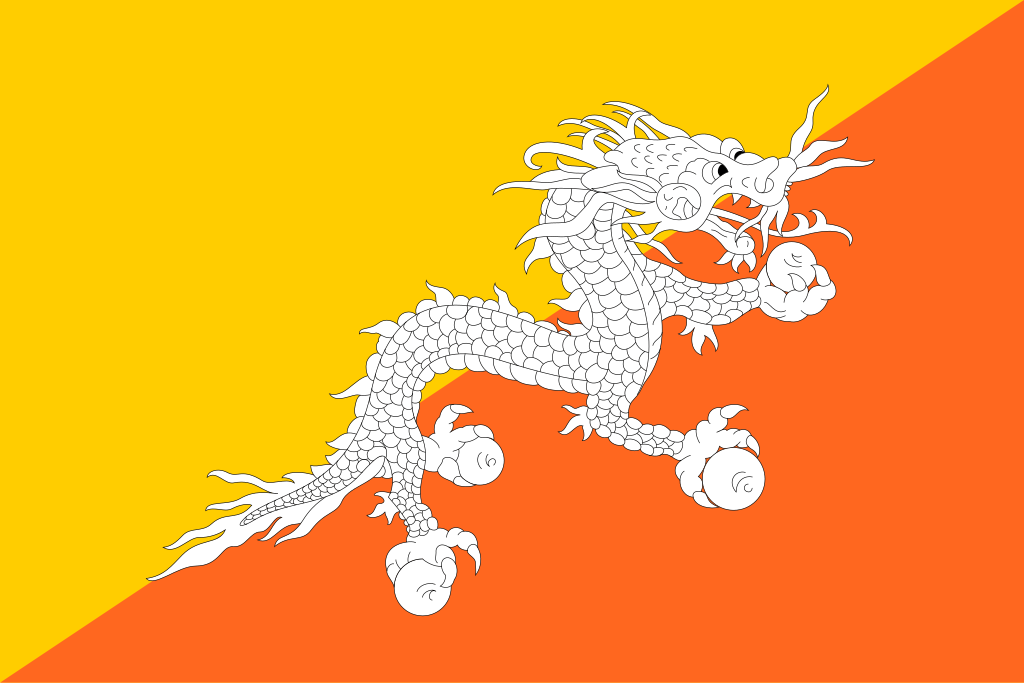
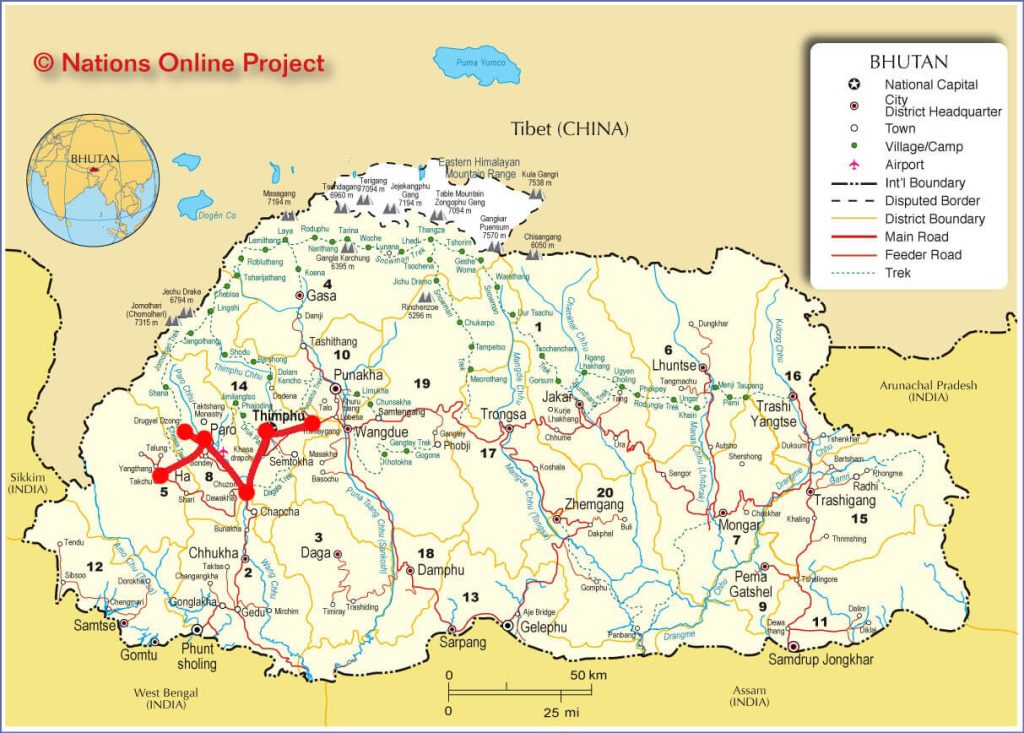
Essential experiences:
Conquer the legendary Tiger's Nest of Taktsang after a breathtaking trek; Lose yourself among the thousand ancient chortens of Paro and Thimphu; Visit the docile takin (Bhutan's national animal); Interact with peaceful Buddhist monks to deepen your inner peace.
A trip to Bhutan is a unique and evocative experience in a kingdom suspended between spirituality, primordial nature, and age-old traditions. From Paro, with its green valleys and temples shrouded in silence on the edge of infinity, we move on to Thimphu, a capital city unlike any other in Asia: modern and Buddhist, it harks back to ancient traditions, with its ever-smiling and curious people. And finally, the Tiger's Nest, suspended on a rock 900 meters above sea level, will forever challenge our imaginative spirit, concluding the journey by filling the mystical energies of a country suspended between earth and sky.
Our suggested itinerary (5 days) | |
one day: | Paro (visit to the National Museum, Paro Dzong); Tamchog Lhakhang (visit to the suspension bridge and stupa) |
two days: | Thimphu (visit the National Memorial Chorten, Buddha Dordenma, Royal Takin Preserve – to admire the country's symbolic animal, visit the traditional market); Dochula Pass to admire the Himalayan mountain range from 3,150 meters! |
one day: | Taktsang Goemba (trek to the Tiger's Nest – one of the highlights of the trip) |
one day: | Paro (departure) |
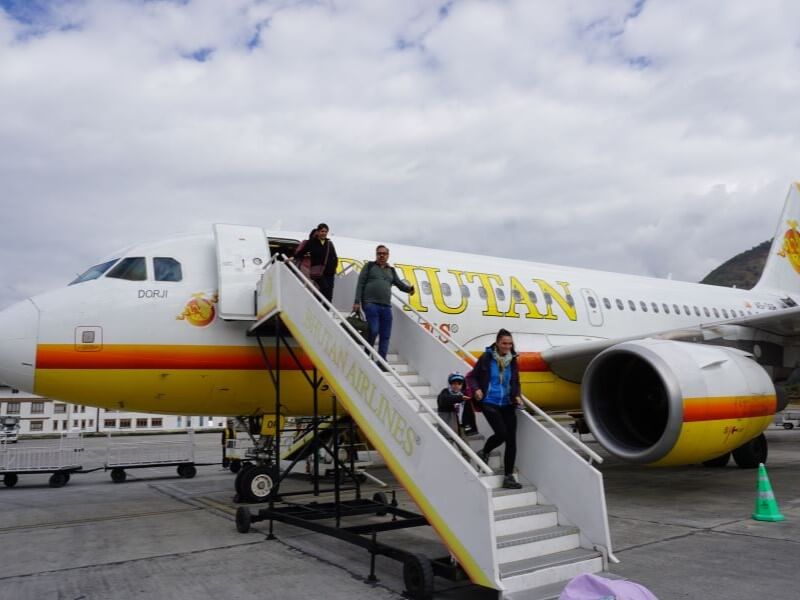
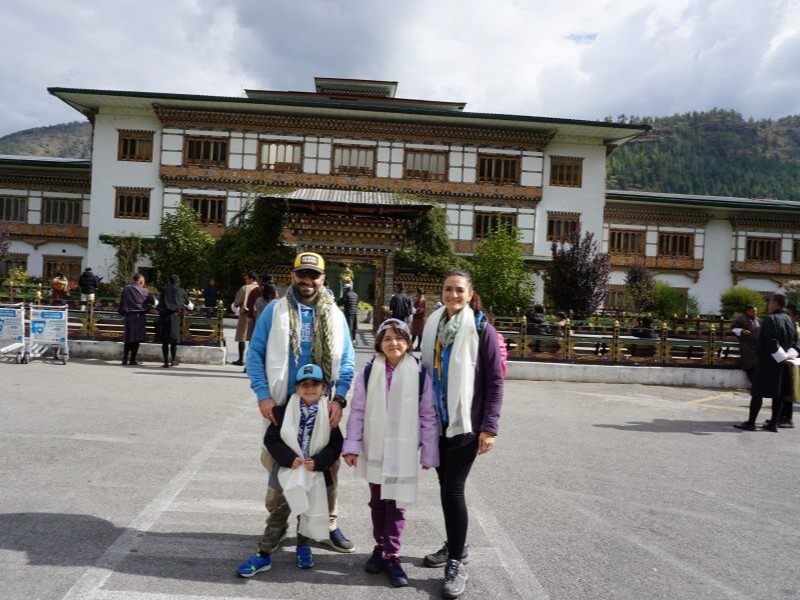
Arriving by plane, after crossing the Himalayas, passing by… the scenic Paro Valley surrounded by mountains, it will immediately be clear to you that you have arrived in a special land!
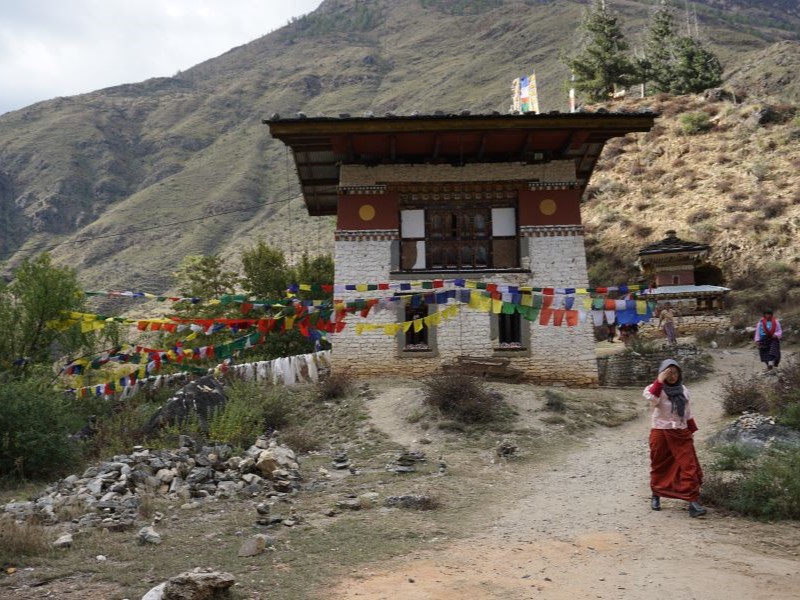
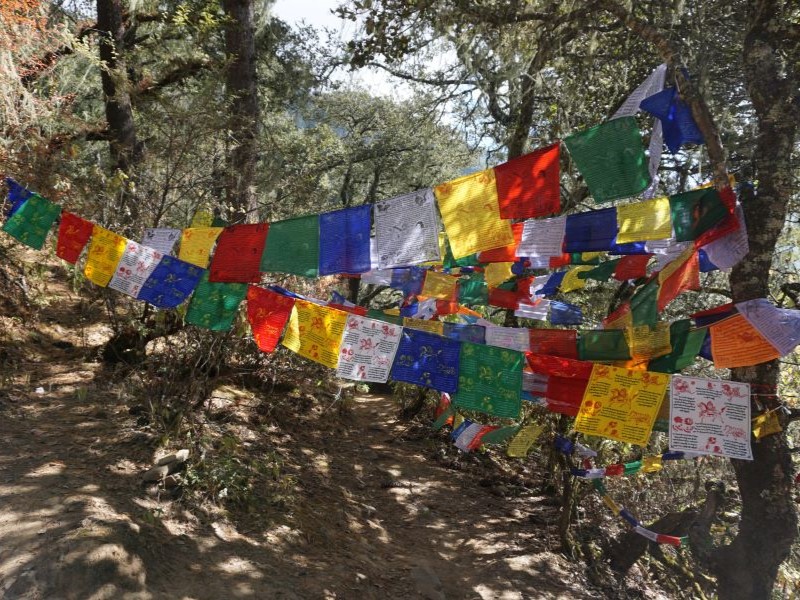
Prayer flags flutter in the wind from every rooftop, men and women in traditional dress, temples and funerary chortens adorn the riverbanks, and monasteries, sometimes old fortresses, dominate the mountaintops.
The white plaster of the temples and the colorful prayer flags create a picturesque contrast with the green of the terraced fields and the forested slopes!
Consider that 70% of the country is covered by dense forests and there is even a state law that sets the minimum green limit at 60%, you can't go below that!
The first impact is immediately magical… We are in the kingdom of happiness
It's an immediate injection of spirituality and beauty that will recharge your soul.
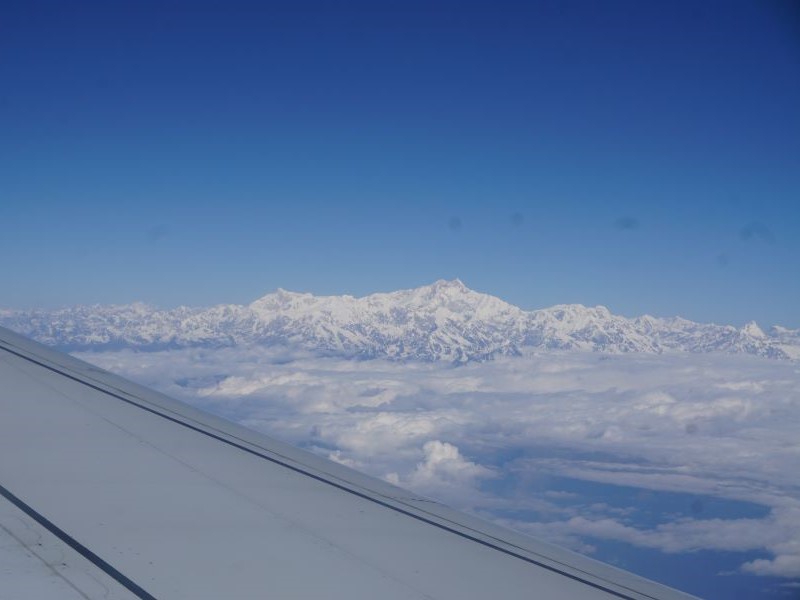
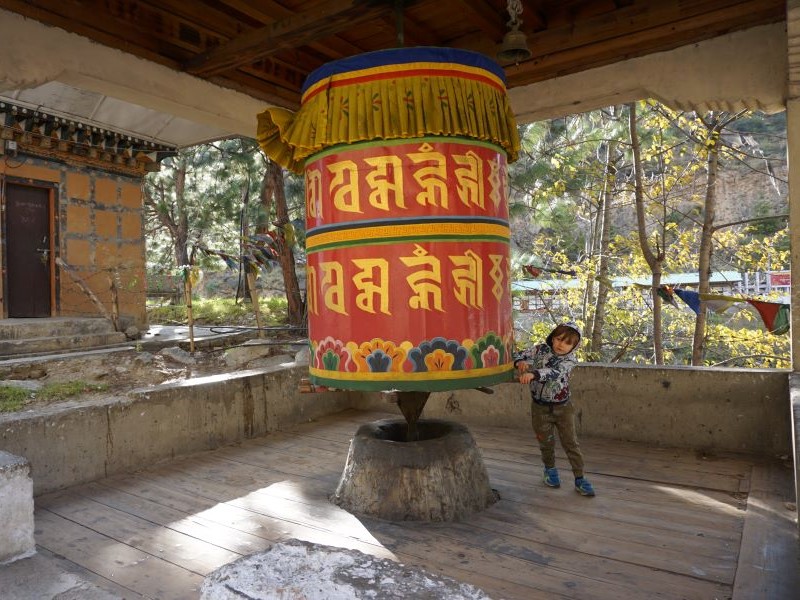
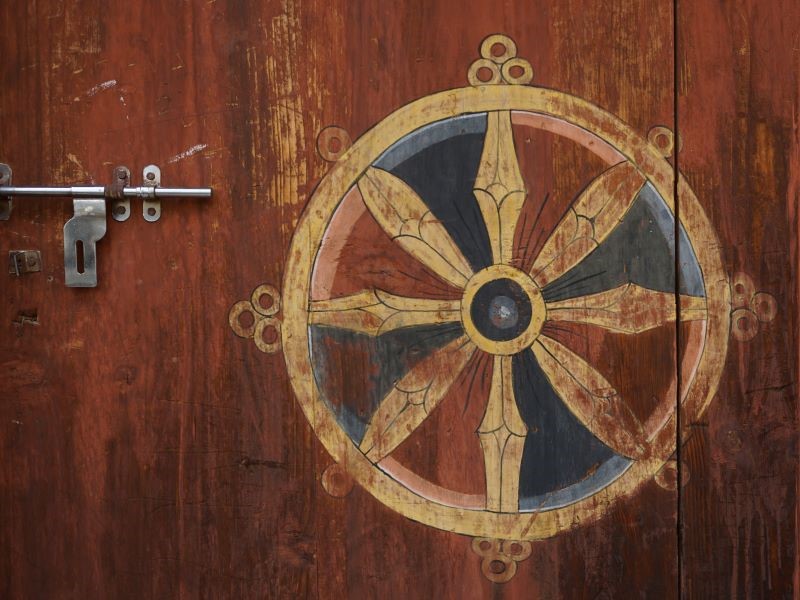
The breathtaking landing is said to be one of the most difficult in the world and you understand this immediately when you see the plane slipping into the mountains.
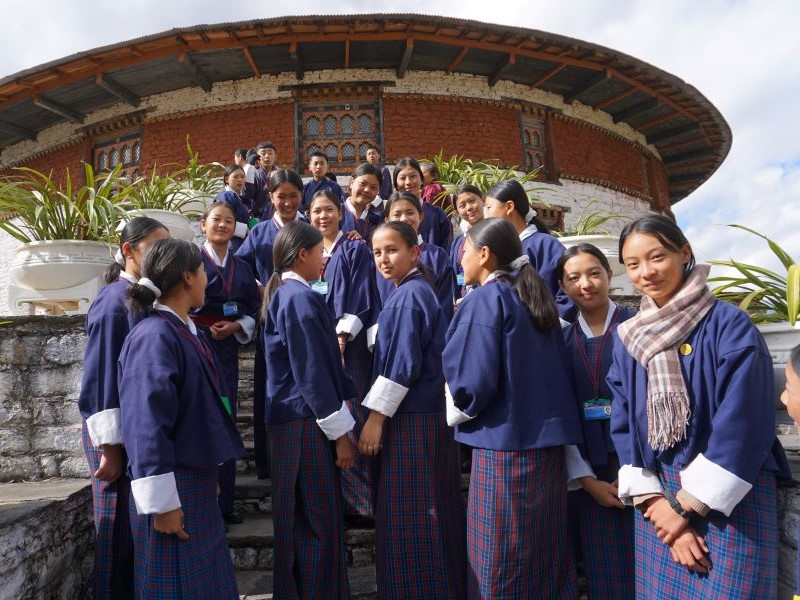
We begin our visit from the National Museum: a “Ta Dzong” (Watchtower), built in 1650 to protect the defenseless dzong, is a round building that traces the history of the kingdom from the Stone Age to performances by contemporary local artists.
It towers over Paro Dzong, one of the finest structures in Bhutan’s architecture.
Its massive walls are visible from across the valley, especially when illuminated at night! It now houses both the monastic body and the district government offices.
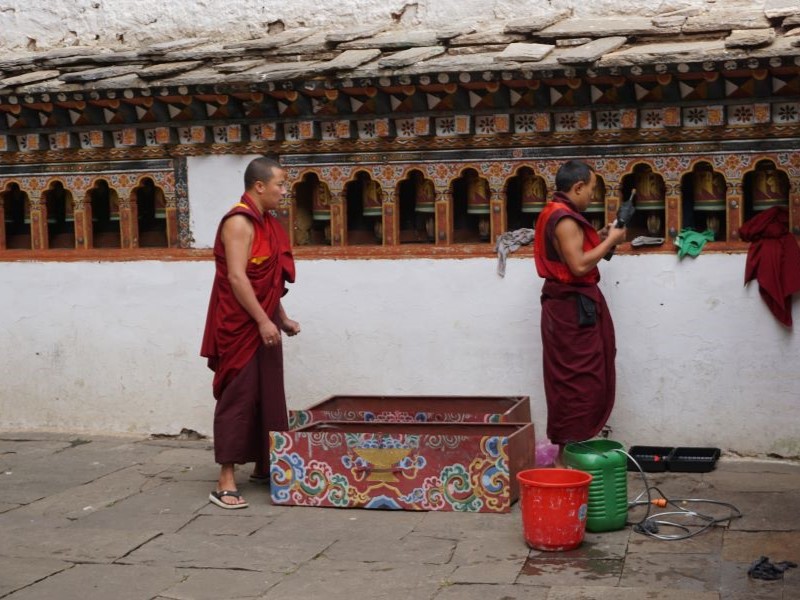
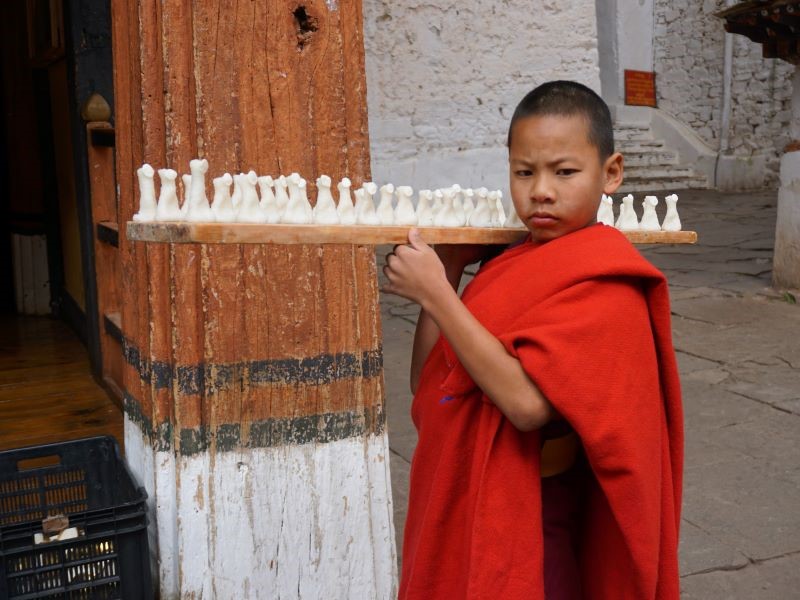
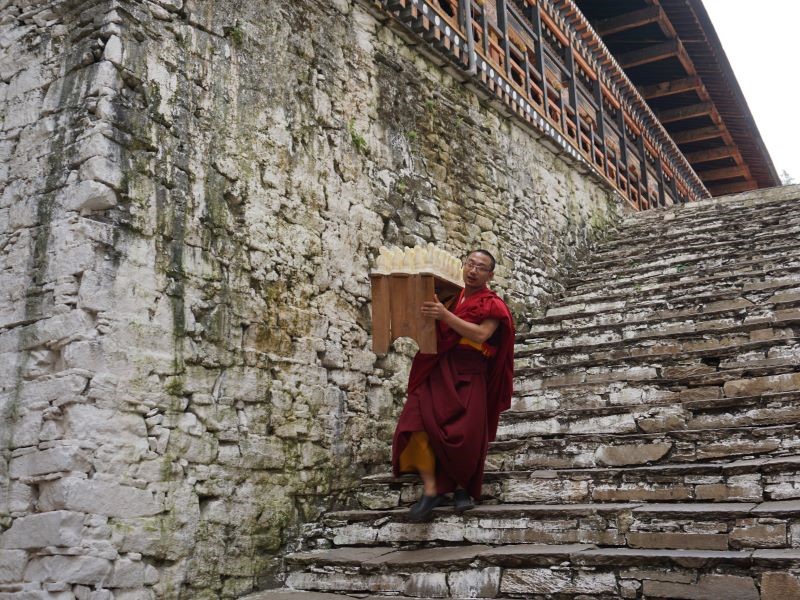
It is very moving to stop in a corner of its large courtyards and admire the daily life of the monks passing before your eyes.
After an excellent traditional lunch we set off for the small capital Thimphu.
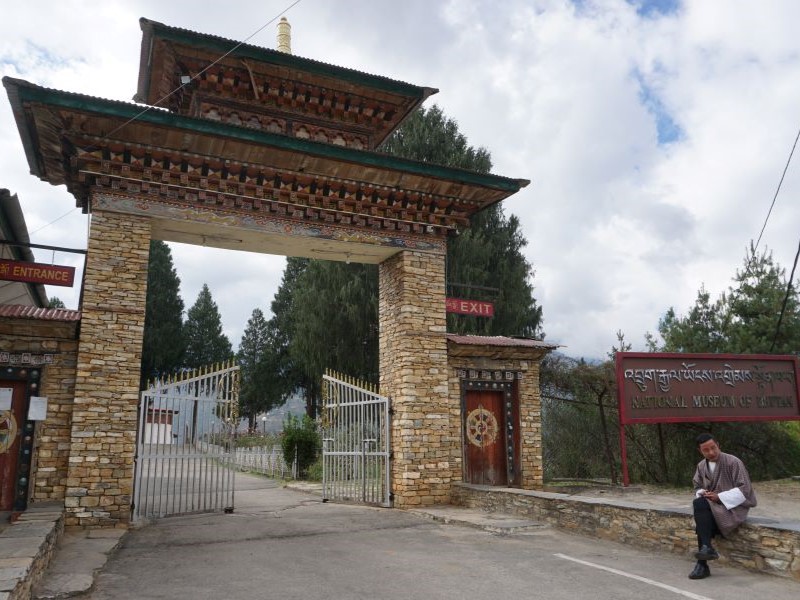
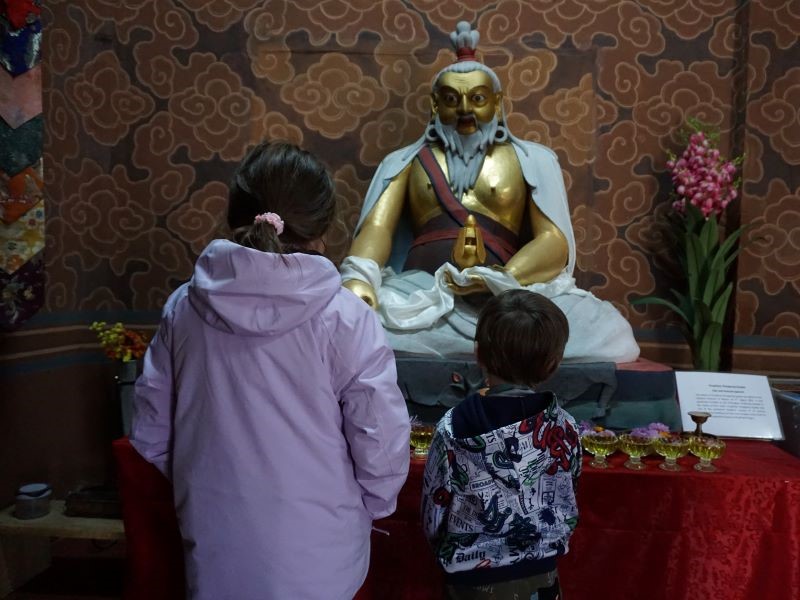
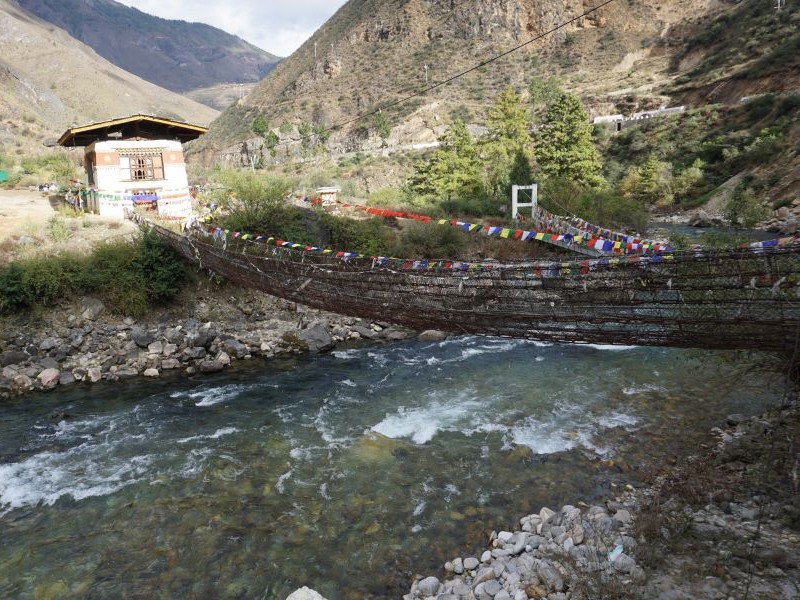
Along the way we stop at Tamchog Lhakhang with its incredible iron suspension bridge: an ancient masterpiece of Bhutanese engineering that seems to have come straight from a legend.
Thimphu will surprise you with its relaxed and slow atmosphere!
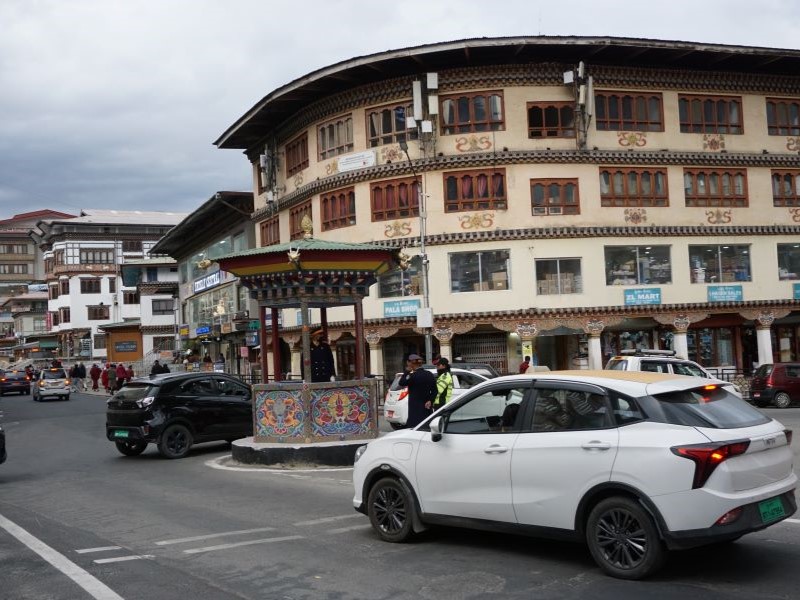
Along the main road you will notice that there are no traffic lights and that the only crossroads is directed by an elegant policeman who with his precise movements keeps all the traffic flowing.
Every corner is a poem, every encounter is a treasure, every step is an image to be imprinted within.
We spend the night at the Hotel Lhayul, a wonderful hotel where we are immediately welcomed with such warmth: enormous room, delicious dinner… it's just a shame the temperature outside has dropped so much!
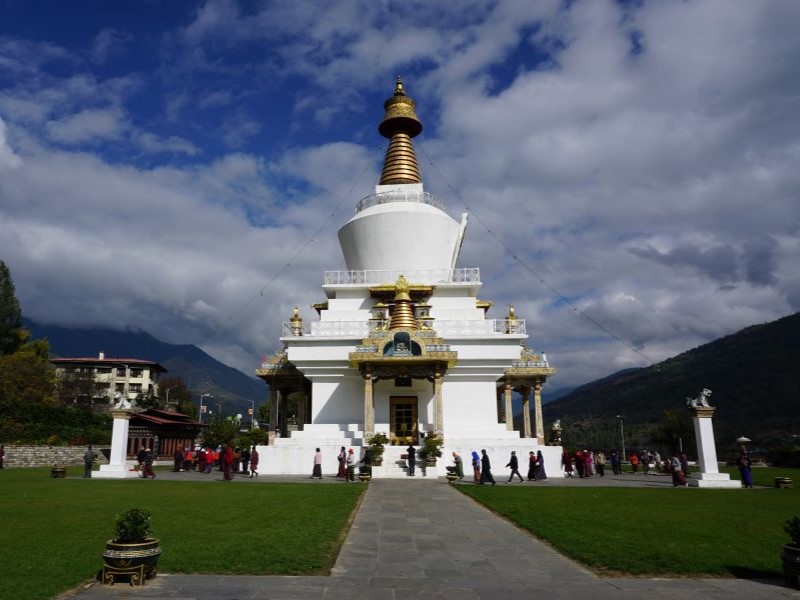
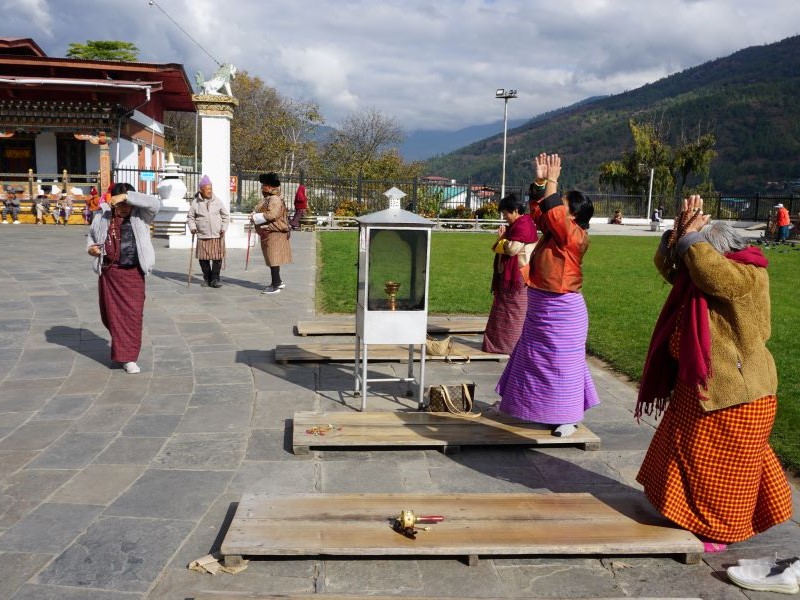
National Memorial Chorten. "Chorten" is the Tibetan name for a stupa, a Buddhist religious monument primarily used to preserve relics. They are especially common in the Himalayan region. This large chorten is one of Thimphu's landmarks and, for many Bhutanese believers, the focus of daily prayers.
Built in 1974 in memory of the third king Jigme Dorji Wangchuck, it is very evocative to visit it in the early morning when elders walk in meditation all around, families light butter lamps and children dressed in gho and kira (traditional male and female clothes) run for a quick kora before going to school.
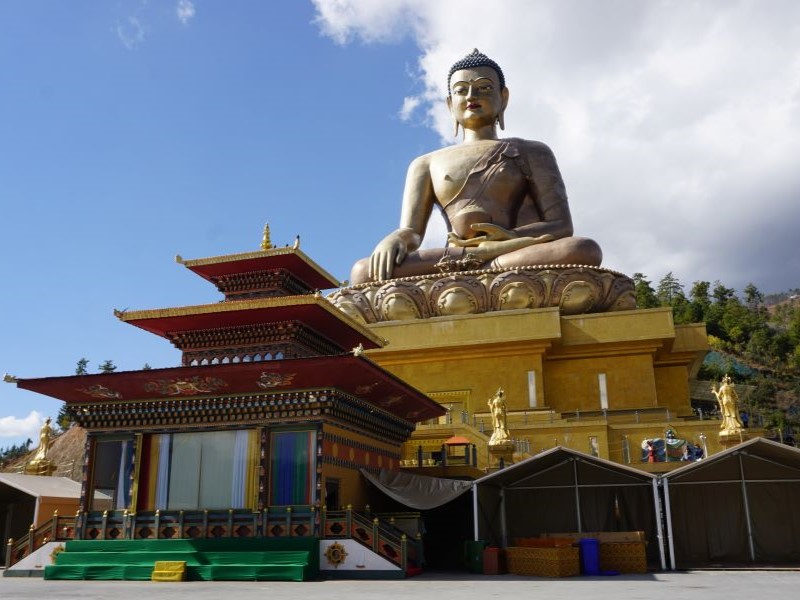
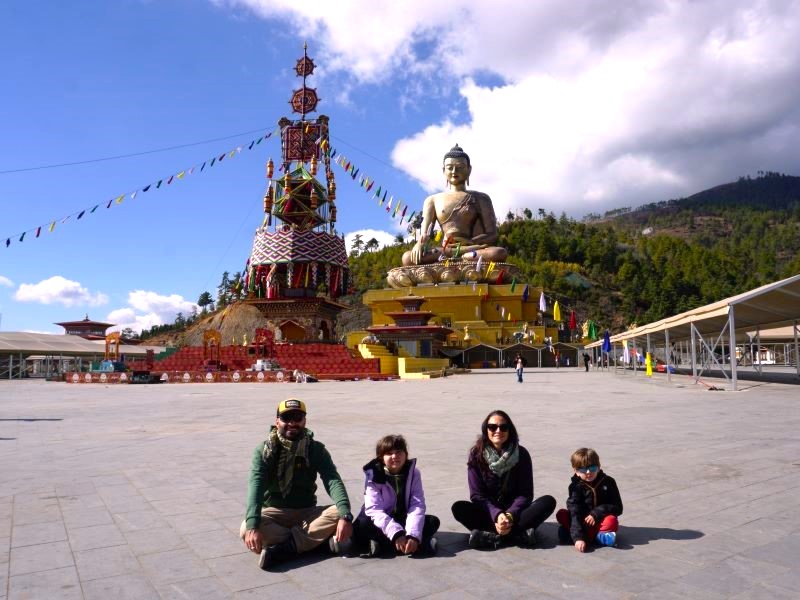
Buddha Dordenma. The enormous statue of Buddha Dordenma, 51 meters tall, dominates the entrance to the Thimphu valley. The imposing three-story base houses a large chapel filled with thousands of votive statuettes. This enormous Buddha is even more spectacular at night when it is illuminated! This enormous bronze statue was made in China, then dissected and transported here to Bhutan and offered by the people of Singapore and Hong Kong.
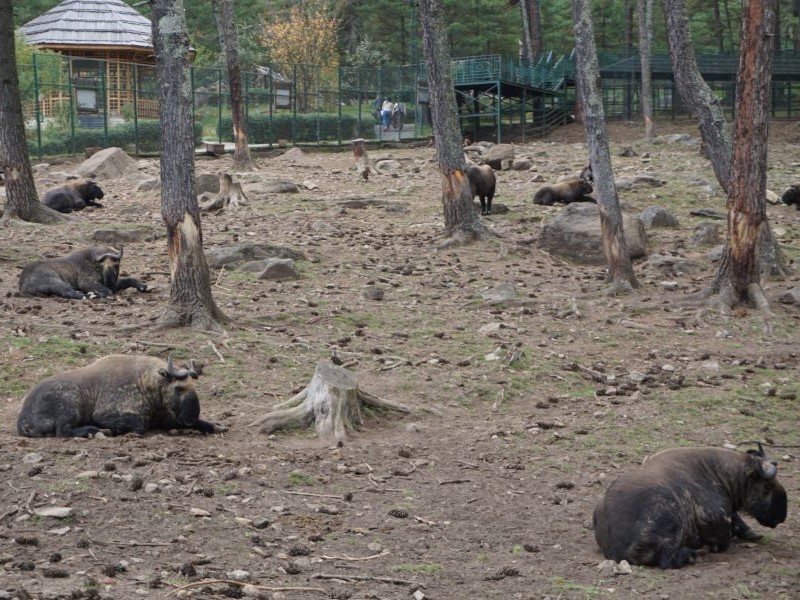
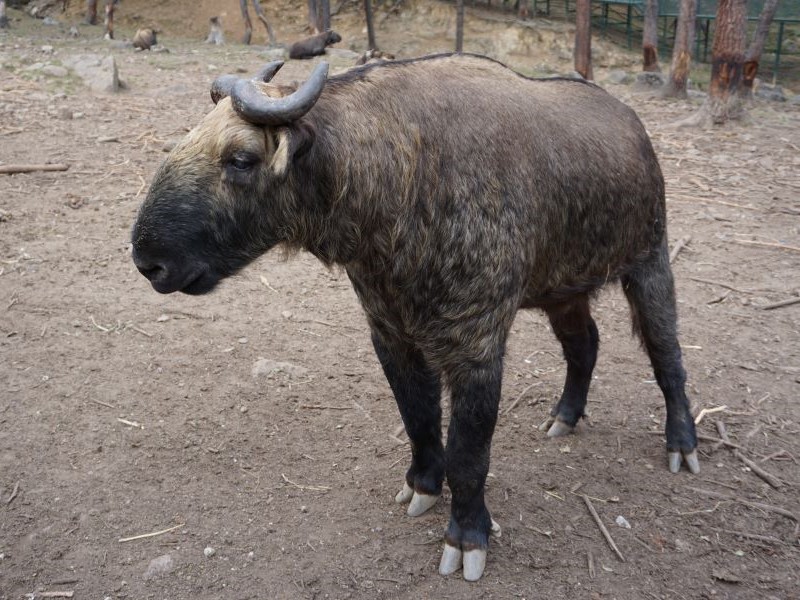
Royal Takin Preserve. This small reserve gives visitors the opportunity to see this unique mammal up close, described as "a moose stung by a bee," a clumsy herbivore we've never seen before!
After a refreshing stroll along the capital's main street and a quick sandwich at a Western café, we visit Thimphu's colorful market.
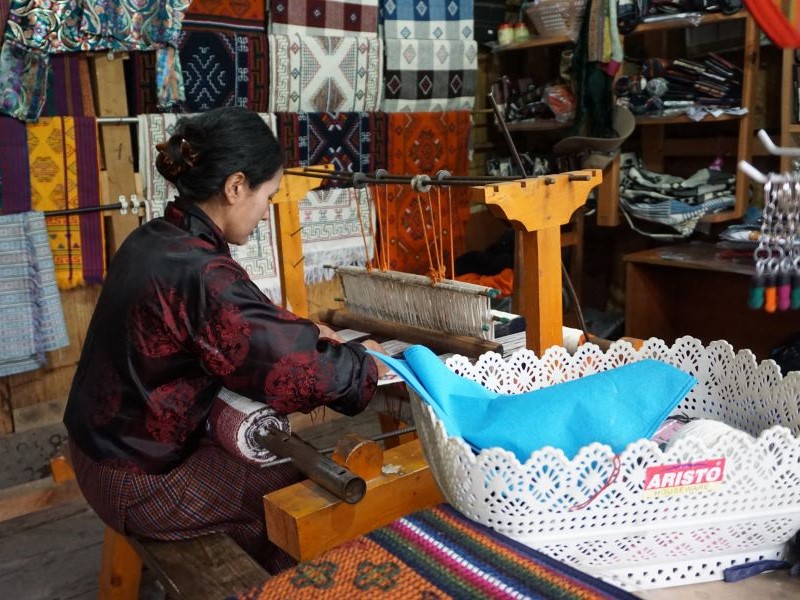
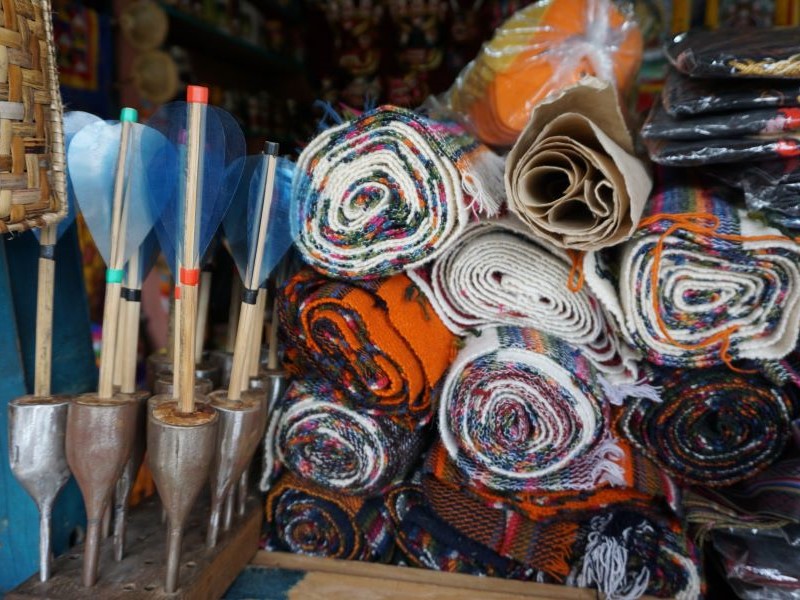
We set off again and climb from the 2200 m of Thimphu up to the 3150 m of the Dochula Pass.
At the height of the pass the vegetation changes abruptly, oaks, maples and Himalayan blue pines give way to a forest of rhododendrons, cypresses and firs.
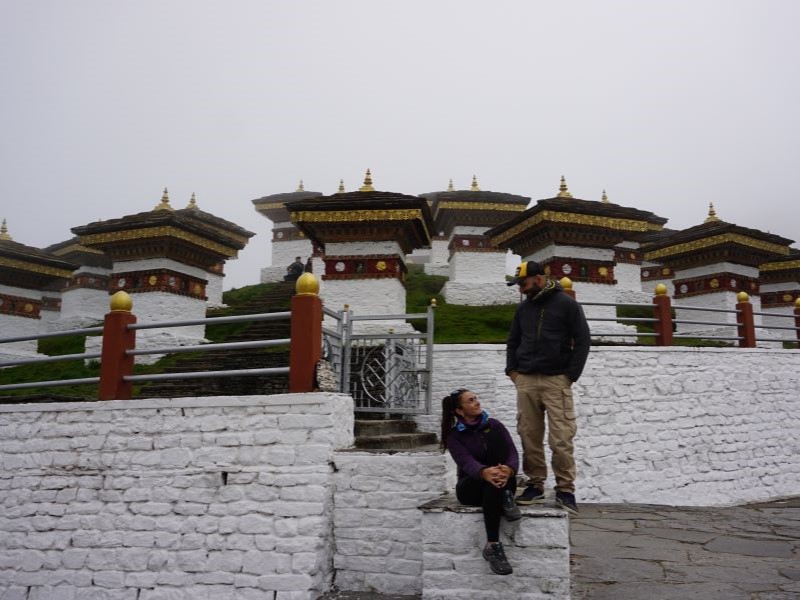
There are 108 chortens here and, on clear days, the pass offers breathtaking views of the Himalayas!
We set off again towards Paro, where we arrive in the late afternoon. We will spend the next few nights at the beautiful Shomo Chuki Resort.
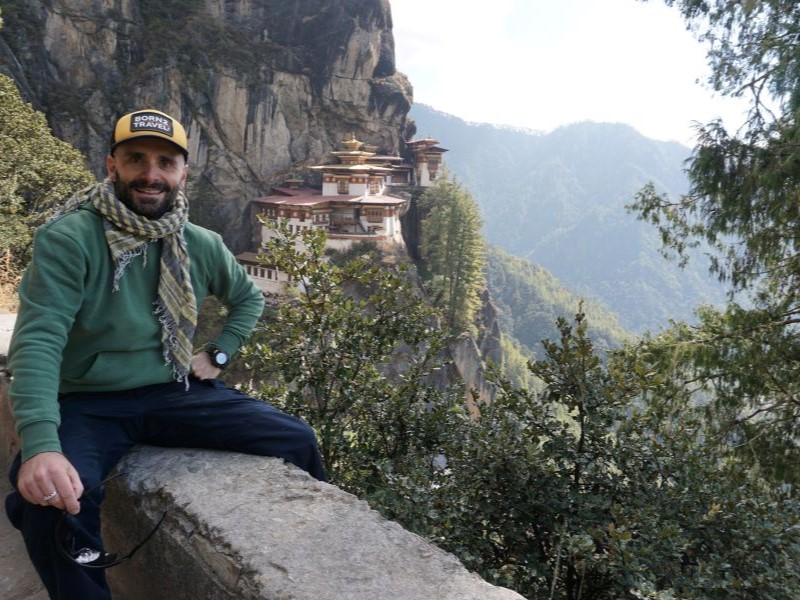
In a narrow cleft in the rock face of the Paro Valley stands the Taktsang Goemba, or “Tiger's Den” monastery.
Reachable only on foot along an uphill path, this sacred, precariously balanced site is Bhutan's most famous monastery.
According to legend, Guru Rinpoche reached the monastery site by flying on a tiger to subdue the local demon; he then spent three months, three weeks, and three days meditating in a nearby cave to defeat the demon.
To reach Tiger's Nest, you start from a base point at 2600 meters, and climb a steep and tiring 5 km, admiring unforgettable views of spectacular beauty.
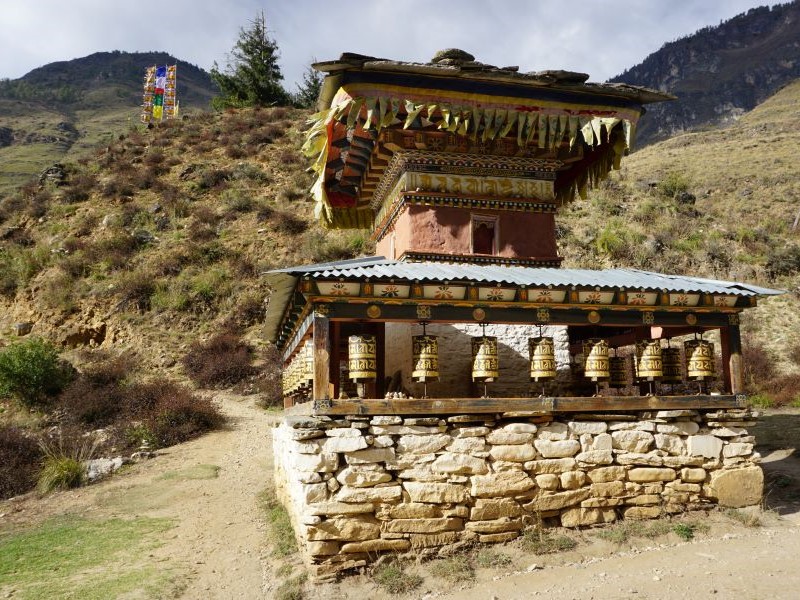
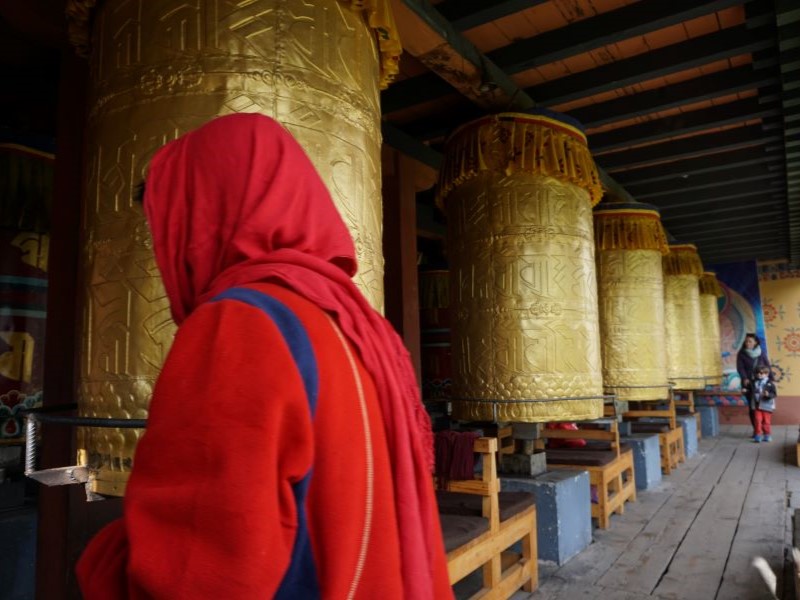
The trail climbs among the first blue Himalayas, occasionally encountering prayer wheels along the steep hairpin bends, among prayer flags and ancient chortens until reaching the longed-for destination at 3,150 metres.
The visit is very moving. Photography and video are not permitted; upon entry, you must hand over all your devices to the guards, remove your shoes and hat, and immerse yourself completely in this sacred place.
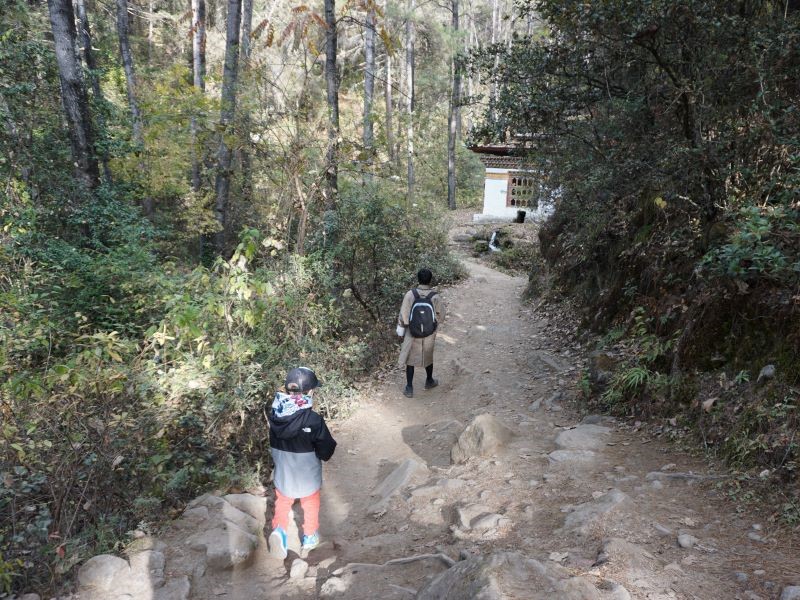
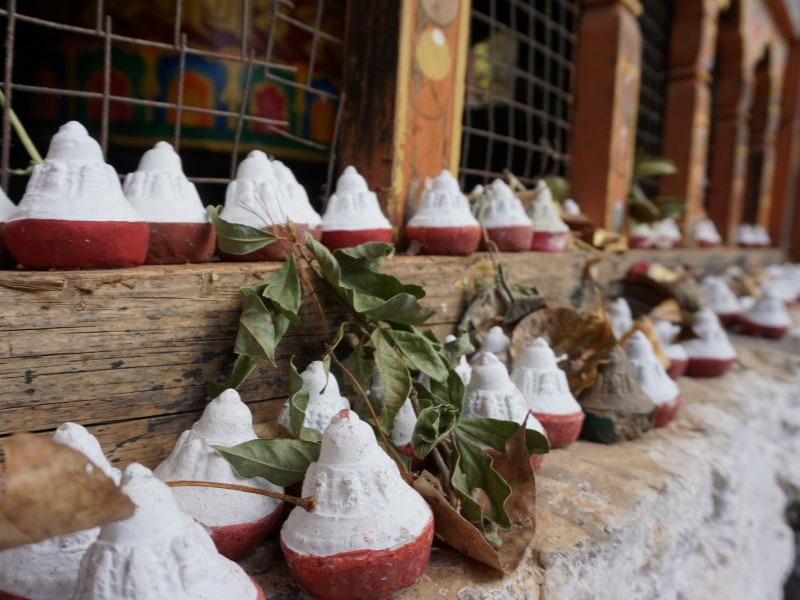
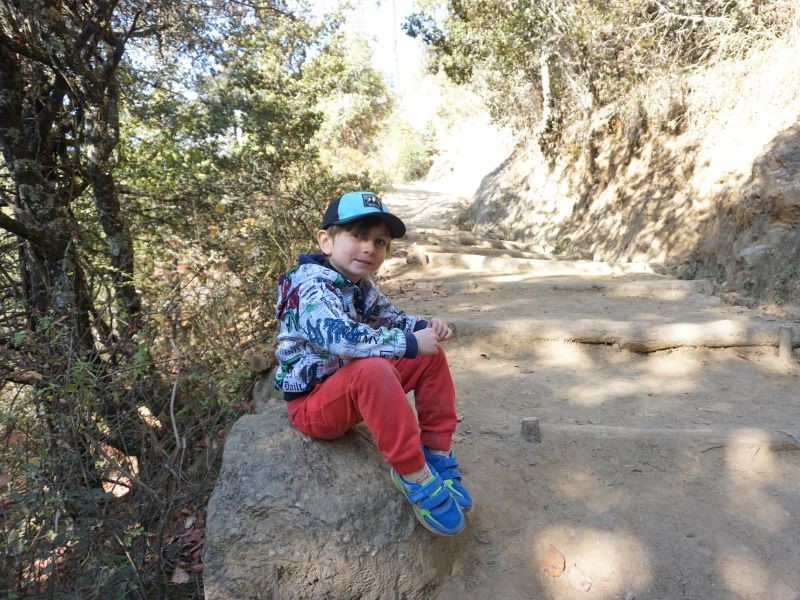
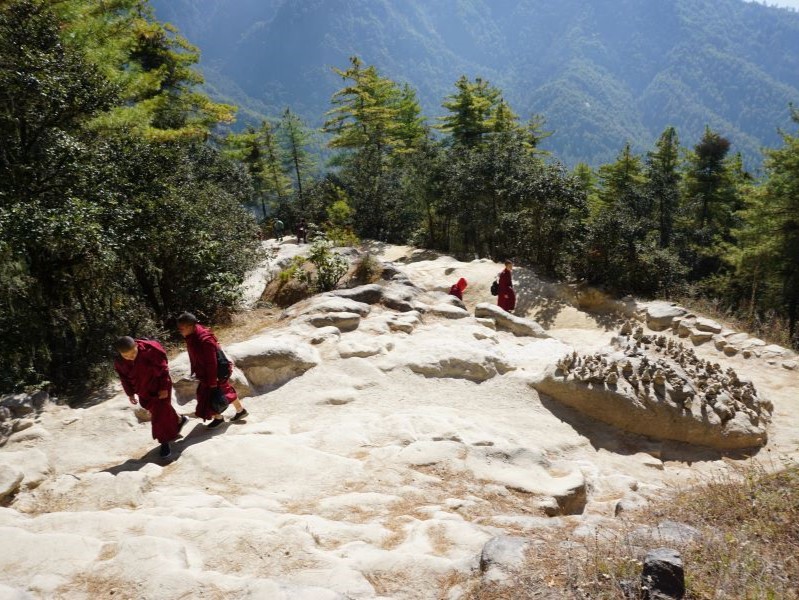
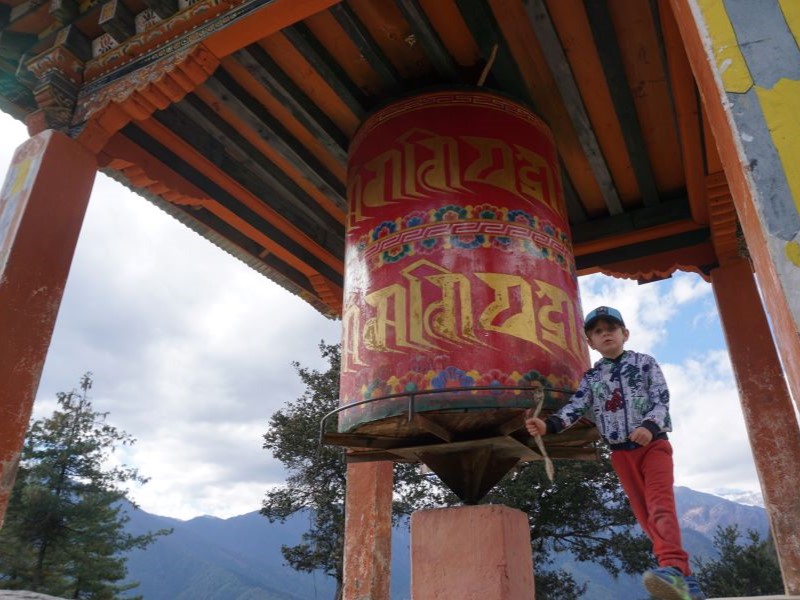
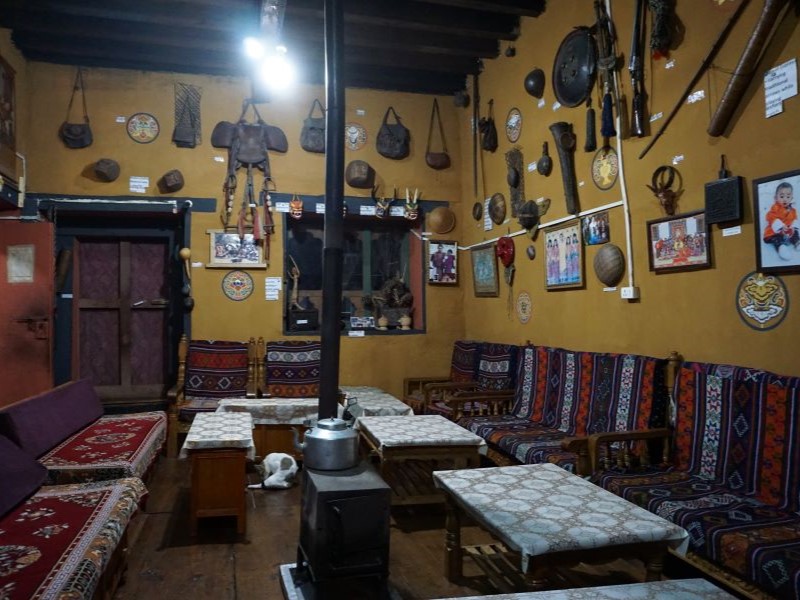
Returning to Paro in the evening, we dine in a traditional home and take the opportunity to admire not only the evening routine of these wonderful people but also the elegant beauty of the architecture of all the houses, even in the most isolated villages.
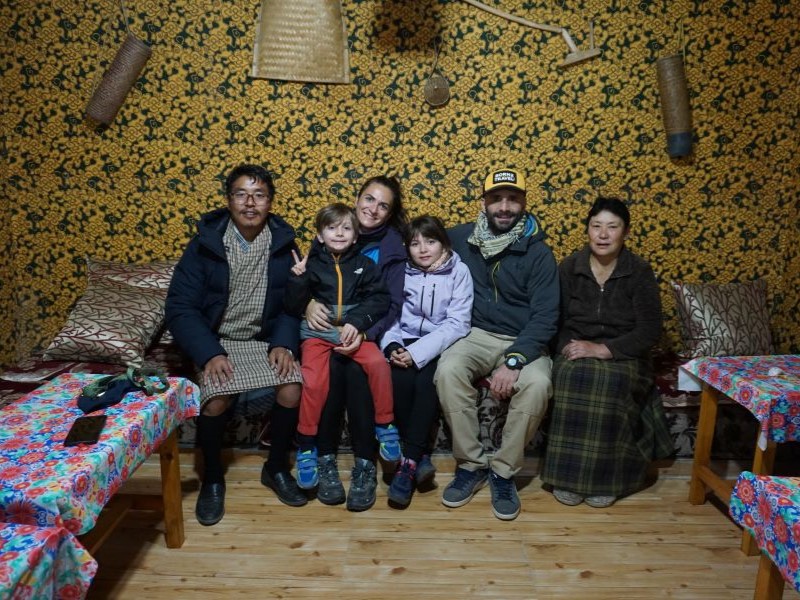
Bhutan truly won us over with its peace and its slow pace; it was a true return to the essentials, a break from the chaos of the modern world to connect with more human and natural rhythms of life.

Error: No feed found.
Please go to the Instagram Feed settings page to create a feed.