
Kolkata, the former capital of British India, is a vibrant city, an explosion of sounds, colors, and smells, a place where ancient colonial grandeur and intense spirituality blend into a single essence.
The colonial legacy as the heart of the British Raj is visible at every corner.
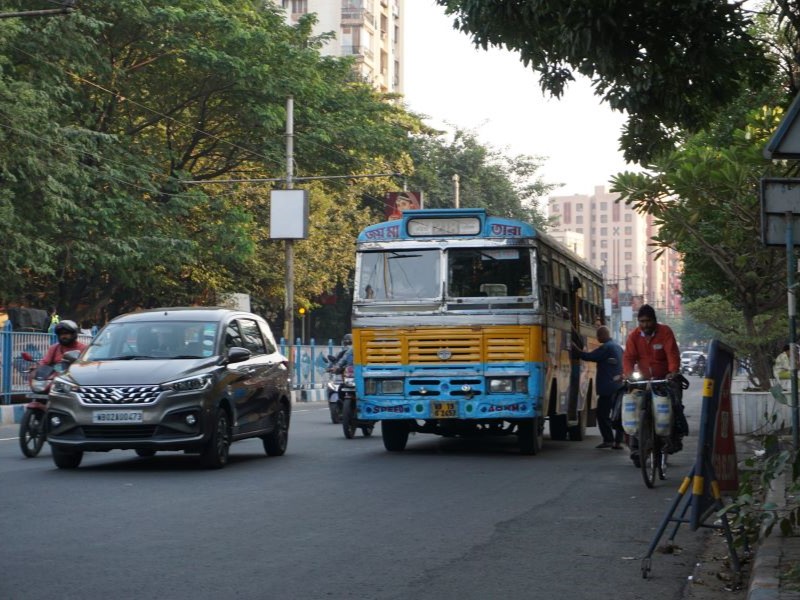
Victoria Memorial Hall: An imposing white marble building, dedicated to Queen Victoria, dominates the skyline and evokes the luxury of the colonial era. It is surrounded by beautiful gardens, perfect for a break from the chaos of the city, especially the deafening horns that are the soundtrack to your journey. "Horn please" and "blow your horn" are painted on the backs of every colorful truck and bus.
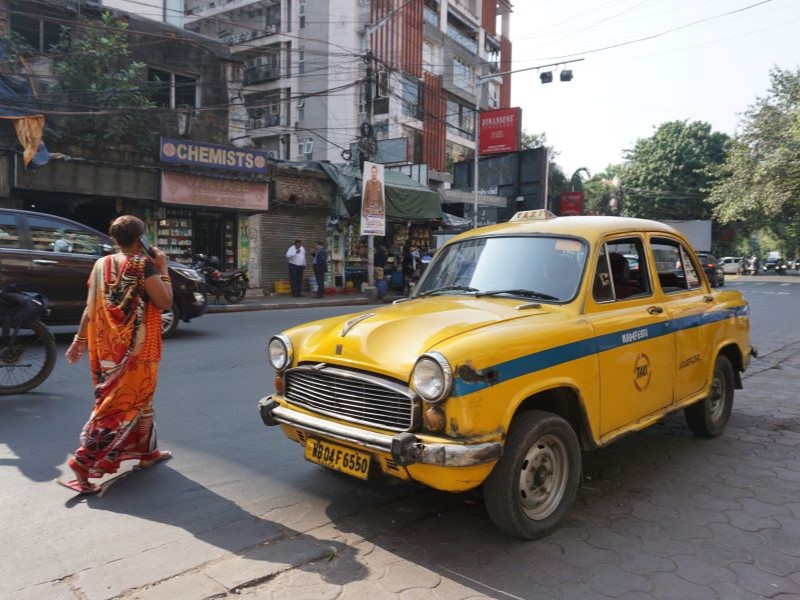
If you can, hop aboard one of the distinctive yellow Ambassador taxis. Even though traffic is very heavy, it will be an experience you absolutely cannot miss!
Howrah Bridge: an icon of Kolkata, this colossal cantilever bridge, unique in India, has no supporting pillars in the water and is a masterpiece of engineering.
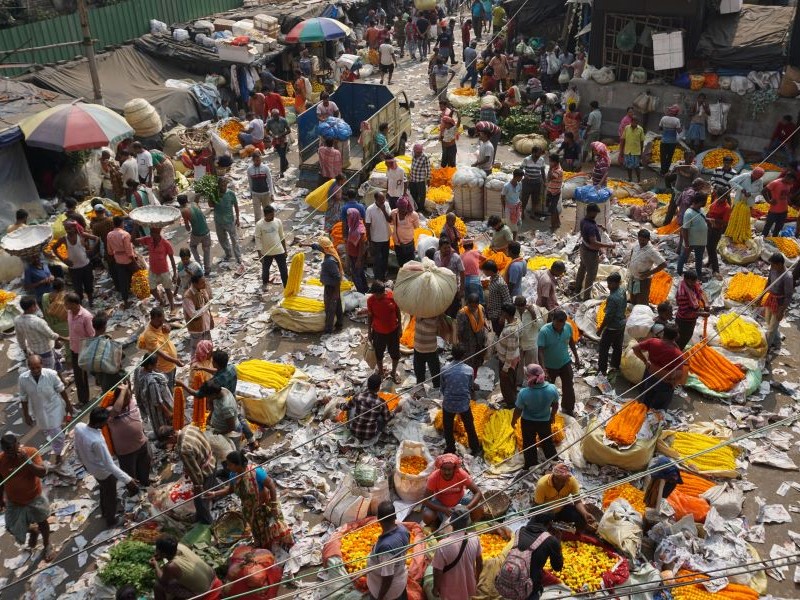
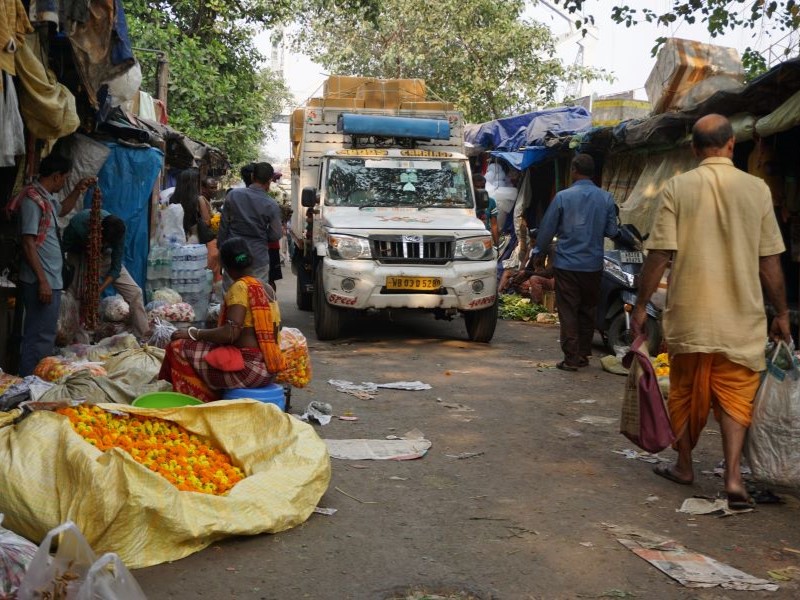
Crossing it offers a breathtaking view of the Hoogly River, the incessant flow of people pushing carts crammed with every kind of package or carrying baskets full of flowers headed to the flower market below: Malik Ghat, the largest flower market in Asia.
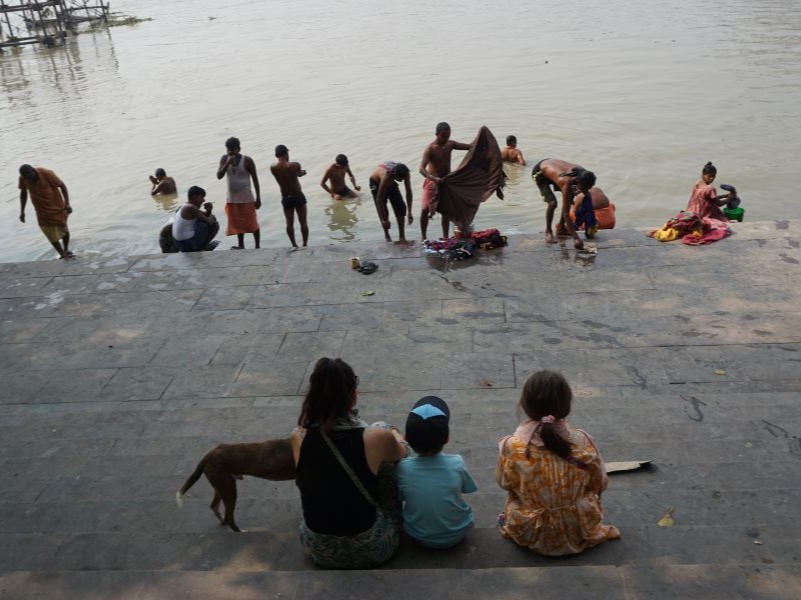
This is an unmissable stop to admire the daily life of the merchants, amidst a thousand colors and scents up to the ghat where the faithful pray in tranquility, performing pujas and bathing in the sacred waters of the river.
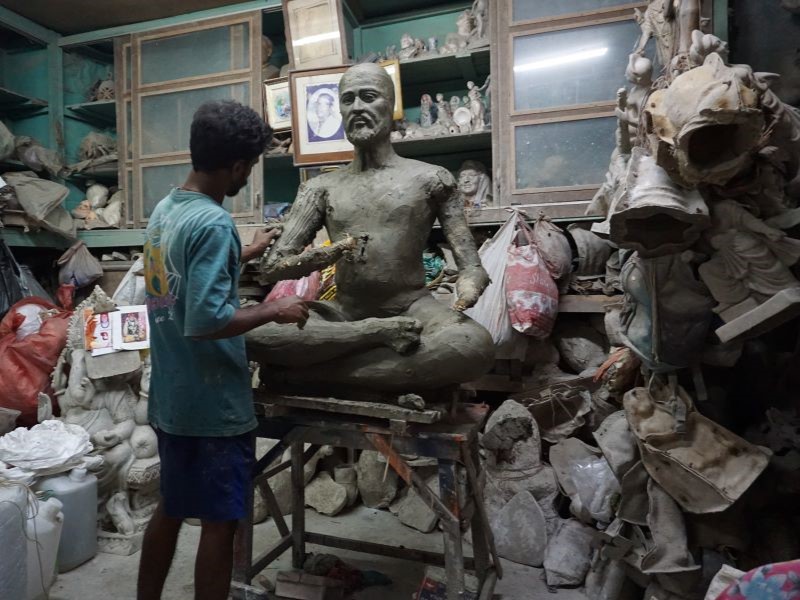
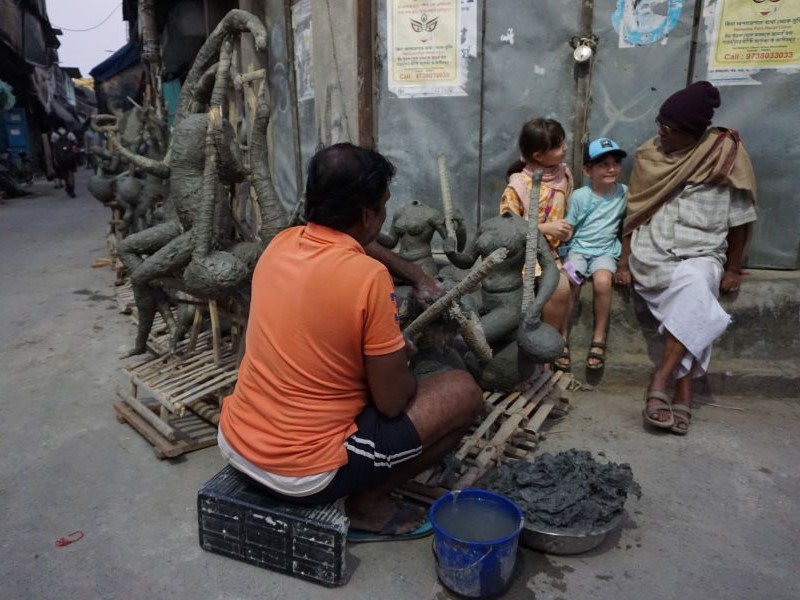
Kumartuli: the pottery district, where talented artisans create clay statues of Hindu deities, especially for the Durga Puja festival.
Strolling along the Maidam, the large park in the heart of the city, the pace slows. Here, families, students, and cricket-playing kids share a green space that allows them to breathe and escape the chaos of the city.
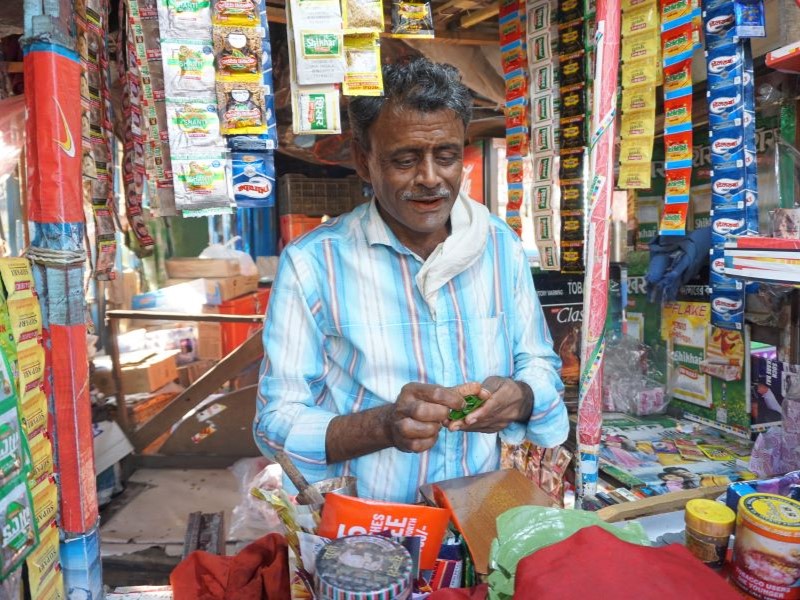
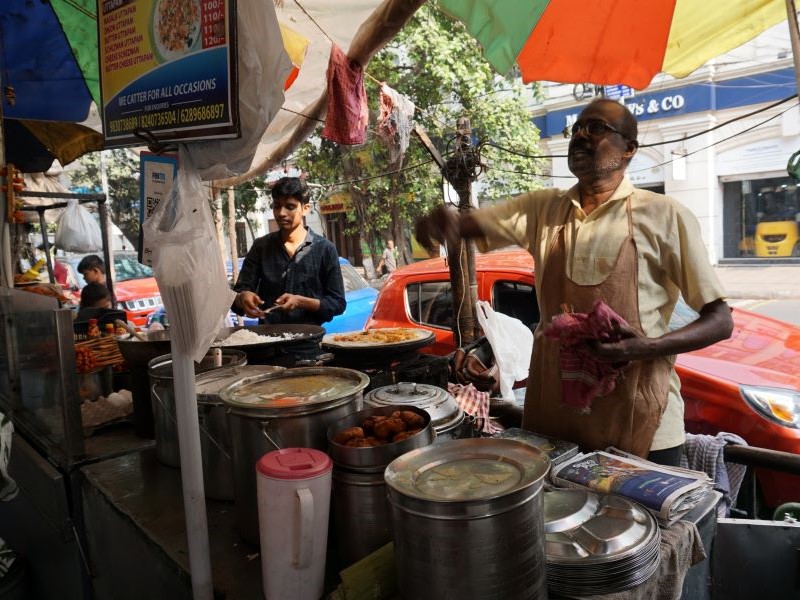
Lose yourself in the crowded streets of Park Street among colorful kiosks, street vendors and restaurants of all kinds.
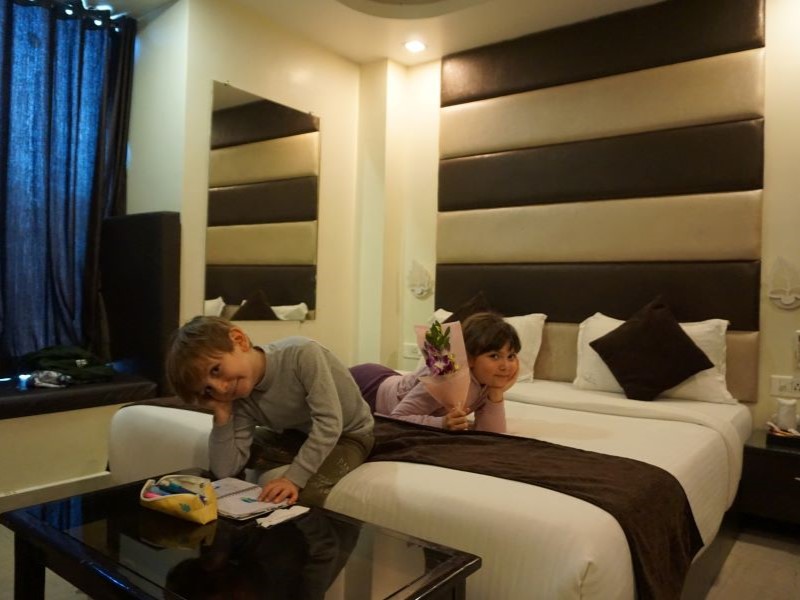
We spend the first two nights at the Sheldon International Hotel, hotel a little out of the way but easily reachable with the convenient Ubers, very common in the city.
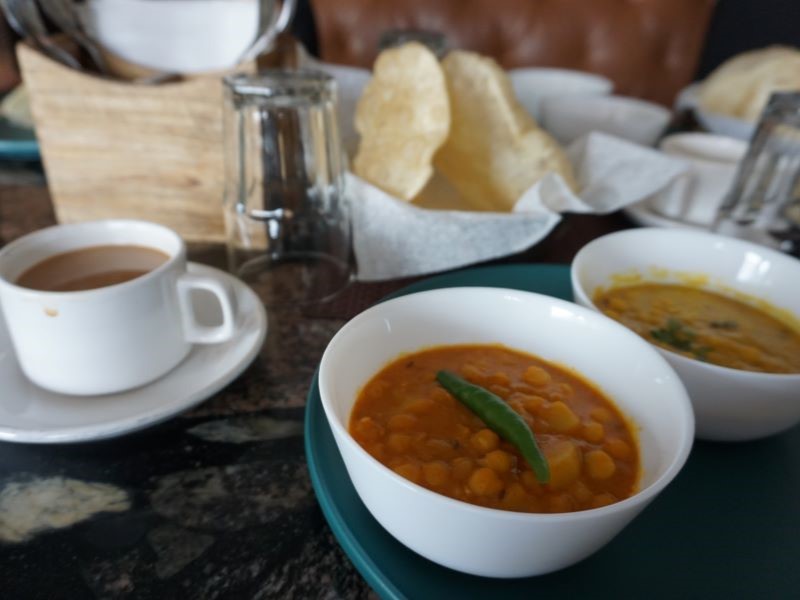
Here we appreciated, in addition to the warm welcome, above all the local breakfasts in a very chilled atmosphere.
Kalighat Kali Temple. This is one of the Shakti Peethas, the most sacred places of worship in Hinduism. The area is extremely crowded, and we had to wait in a long line to get in, as well as elbow our way in to see this impressive black statue! Beware of fake priests trying to sell VIP passes to skip the line, and of the many shoplifters.
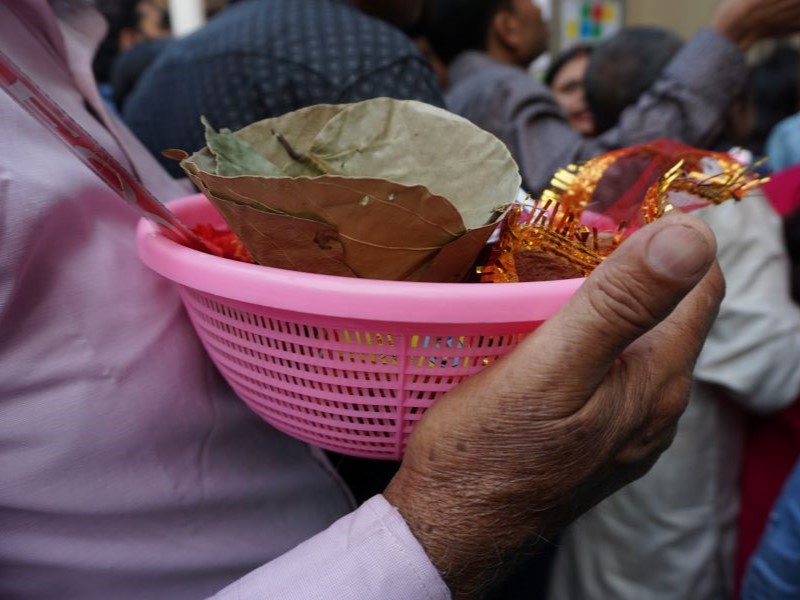
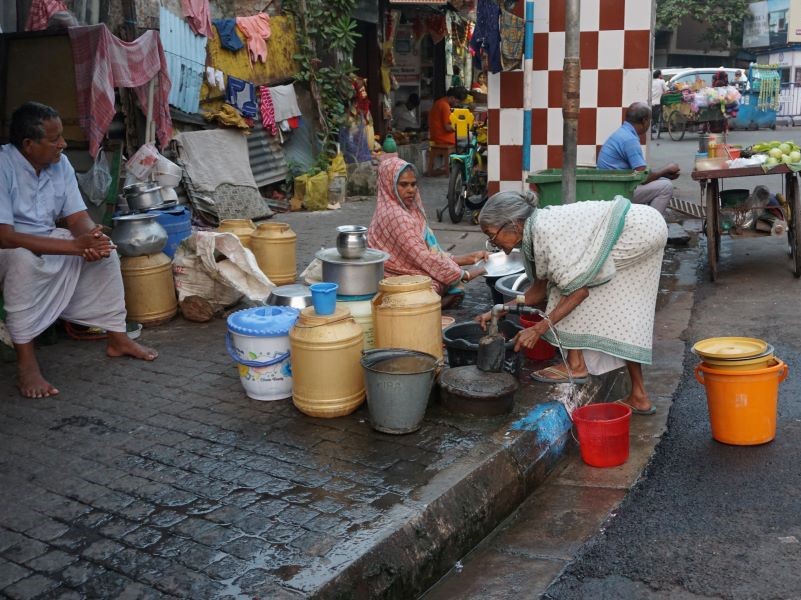
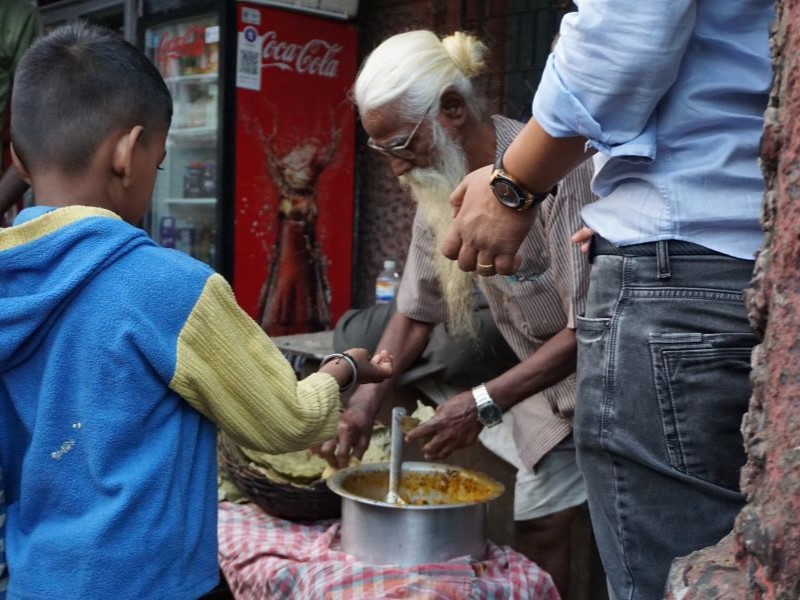
In Calcutta, where horns, colors, and scents intertwine ceaselessly, there is a place of peace: the Mother House of the Missionaries of Charity.
The entrance is almost hidden, but once you cross the threshold, you feel an atmosphere of calm.
The small museum recounts moments of Mother Teresa's life through photos, letters and personal objects.
The room where Mother Teresa spent her last years is very touching: minimalist and next to the chapel where the nuns gather in prayer every morning.
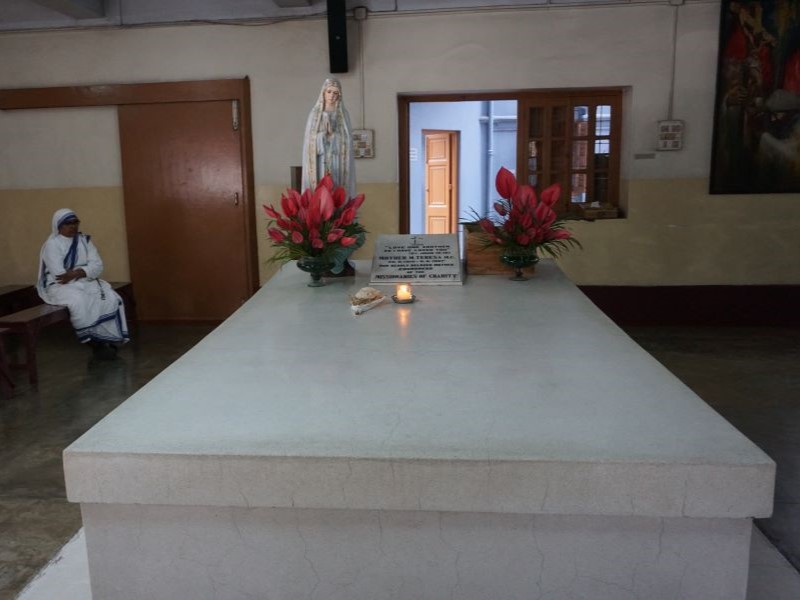
We continue to his tomb where a sister, wearing the classic white and blue tunic, keeps watch and prays.
It's very emotional and we leave with teary eyes and a lump in our throats, but three blocks away there is the reception center for orphaned children with very serious disabilities.
Another gut wrenching feeling. We feel microscopic and helpless, wondering why all this is happening. We spend some time with the nun who accompanies us and these little angels on earth.
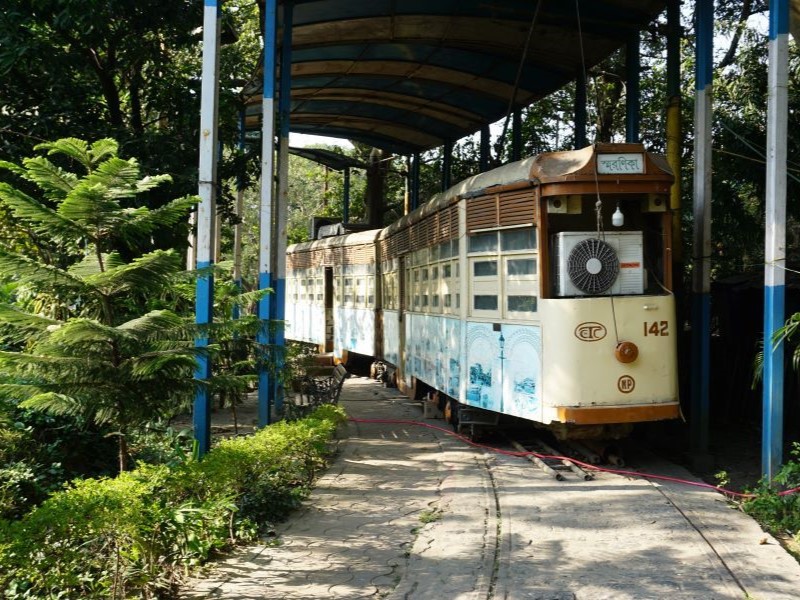
We change the area and head to the Smaranika Tram Museum. Consider that Kolkata's trams are not just a means of transportation but a true historical icon. It is among the oldest in the world, second only to the one in Turin. It was the first to open in Asia in 1873; it was horse-drawn and ran for just four kilometers. In the early 1900s, it was converted to electric power, surviving to this day.
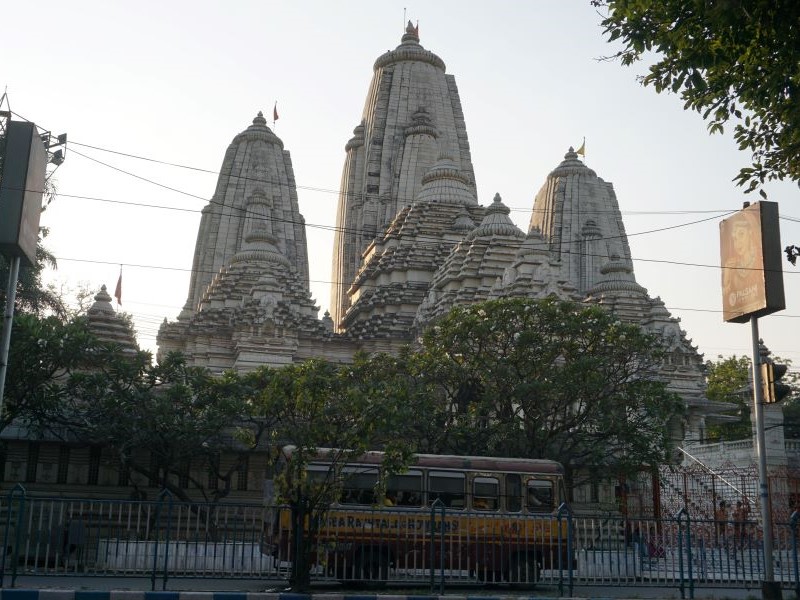
From there we reach the Birla Mandir, one of the most famous temples in the city.
Built primarily of white Rajasthani marble, which gives it a very picturesque appearance. The interior walls are decorated with intricate carvings and carvings of shlokas (verses from the Bhagavad Gita). The temple is dedicated to Lord Krishna and his consort Radha. It also houses idols of other Hindu deities, including Shiva, Durga, Hanuman, and Ganesha, and is particularly evocative in the evening when it is illuminated by bright lights, creating a magical and serene atmosphere.
Also take the opportunity to sample Bengali cuisine, renowned for its specialties such as mishti doi (creamy sweet yogurt), roshogolla (curd balls in syrup), khati roll (kebab rolled in paratha bread), or churmur (street snack with boiled potatoes, peas, onions, coriander, and chili peppers). Spicy flavors, like all of India, will be the protagonist of everything you eat.
If you have a couple more days available, take advantage of them, like we did, and visit the famous Sundarbans National Park.
We leave Calcutta early in the morning. It's beautiful to see this megalopolis slowly waking up. In the large parks near Victoria Memorial, many young people are playing cricket, shopkeepers are starting to set up their stalls, chai vendors are lighting fires, and yellow taxis, like colorful buses, rush by, full of employees heading to their offices.
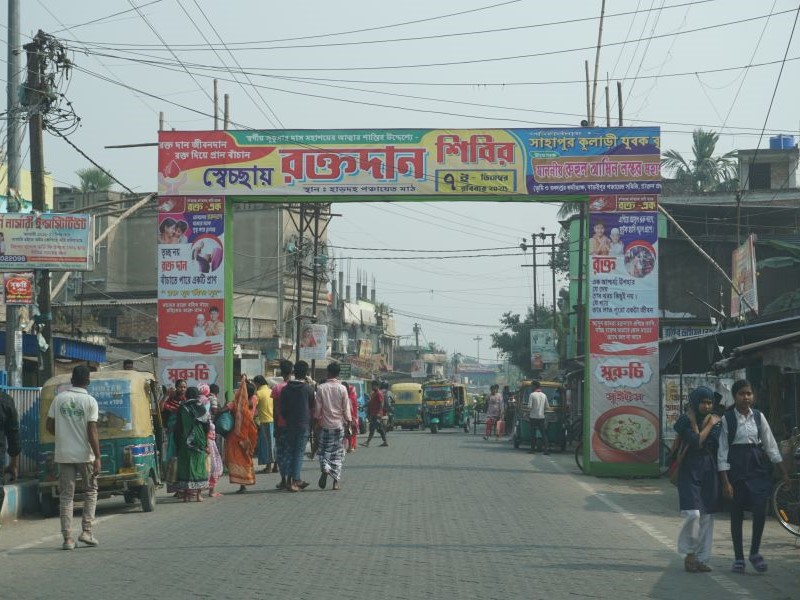
We are heading towards Sundarbans NP on board a car sent to us by Namaste Tours and along the way we admire a beautiful cross-section of the rural India that I love: the small villages with the occasional tuk tuk waiting, the children going to school in their uniforms reminiscent of the colonial period, the street vendors lazily waiting for their customers.
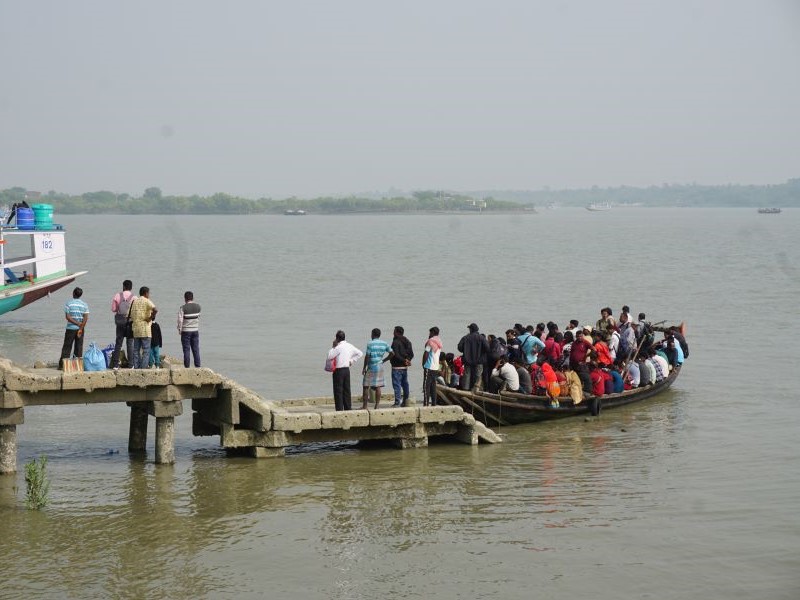
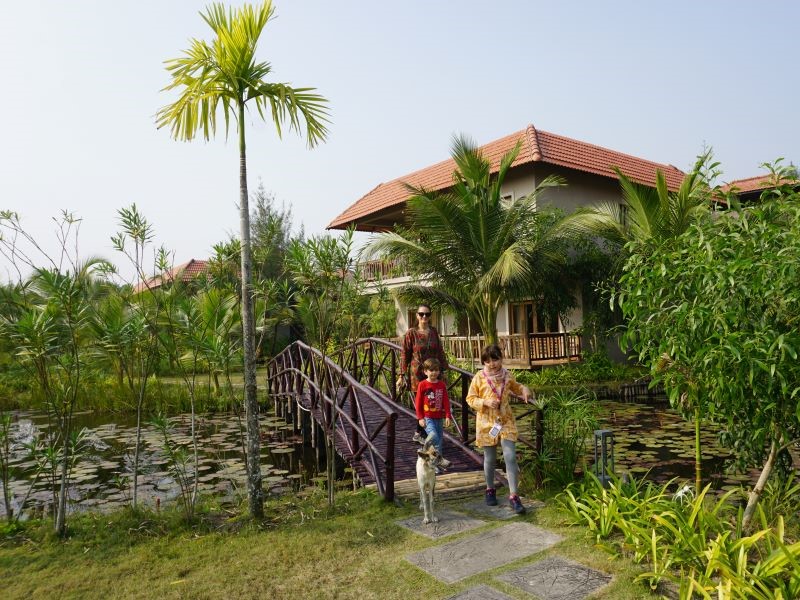
After almost three hours we arrive at a small port, board a boat, then take a tuk tuk to the beautiful Sonar Bangla Hotel resort where we will spend the day!
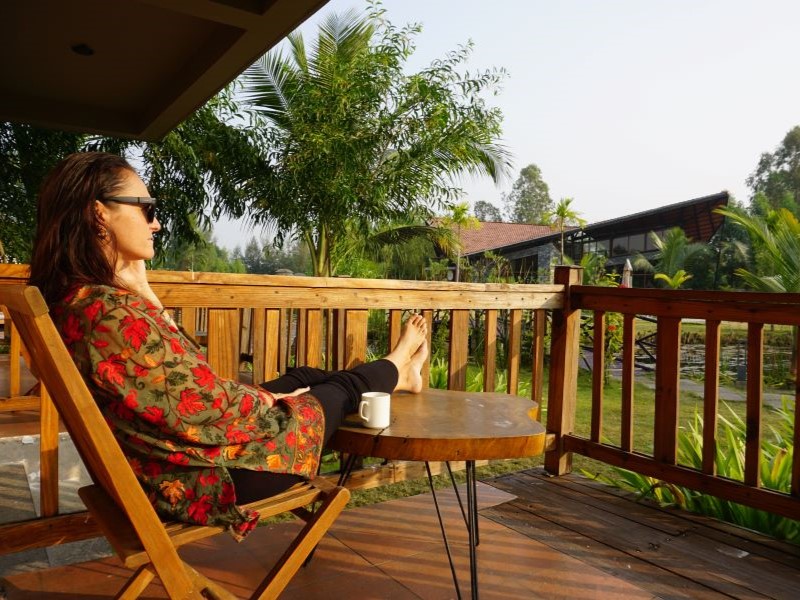
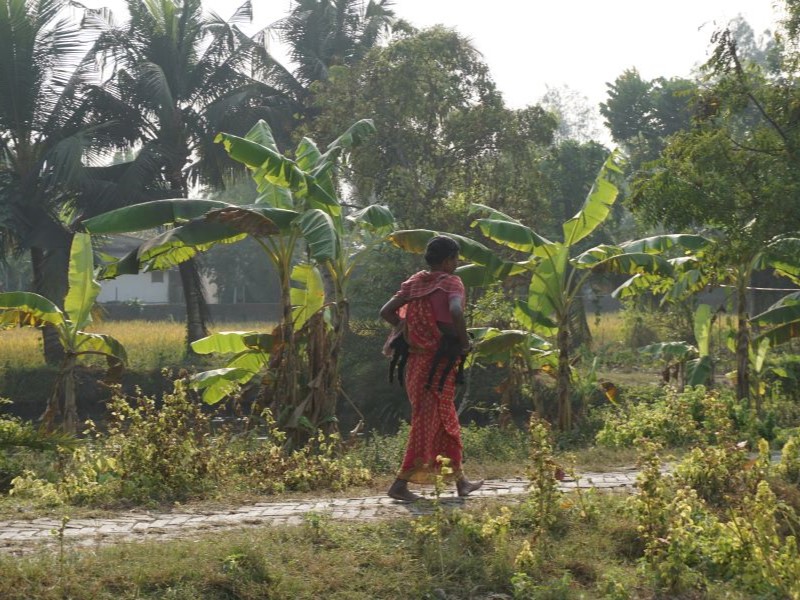
The Sundarbans National Park is a huge ecosystem that stretches between India and the Bangladesh and has the largest mangrove forest on the planet as well as being a UNESCO World Heritage Site, a labyrinth where the Earth and the Ganges merge with the Bay of Bengal and a place accessible only by river aboard a registered motorboat.
Sailing along these narrow canals offers the opportunity to observe wildlife from the jungle's perspective. The Royal Bengal tiger lives here, although spotting this wonderful animal is very difficult due to, unfortunately, its numbers are limited.
For the record: we didn't manage to spot a single one, but the experience was very interesting anyway.
There are about 50 small islands surrounded by a large fence that separates the tiger area from the surrounding villages and, despite this precaution, there are around 35 fatal attacks each year.
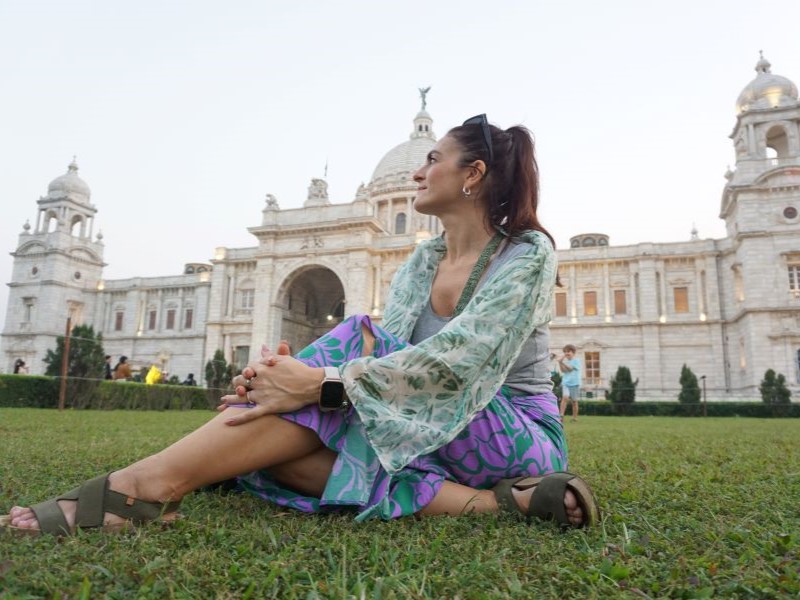
It's time to return to chaotic Calcutta, this megalopolis will leave an indelible mark on your soul and, once you leave, you won't be able to help but think back and wish to return as soon as possible!

Error: No feed found.
Please go to the Instagram Feed settings page to create a feed.