
Capital:
Yaoundè
Currency
Franc CFA BEAC
Best time to visit:
recommended from November to February (dry season)
In a word:
Wetin dey? (how ya doin'?)
Vaccines
Mandatory vaccination: yellow fever; anti-malarial prophylaxis is recommended.
Essential experiences:
Spend a couple of days with the Baka Pygmies in the Dja Biosphere Reserve; experience the extravagant atmosphere of the kingdom of Batoufam by wandering through the courtyards of its majestic palace; admire the power of nature through the many waterfalls, rivers, and volcanoes; relax in pleasant Kribi sipping a drink after a swim in the warm waters of the Atlantic Ocean.
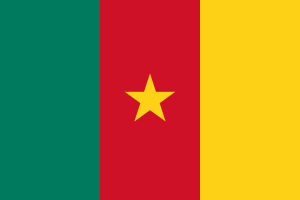
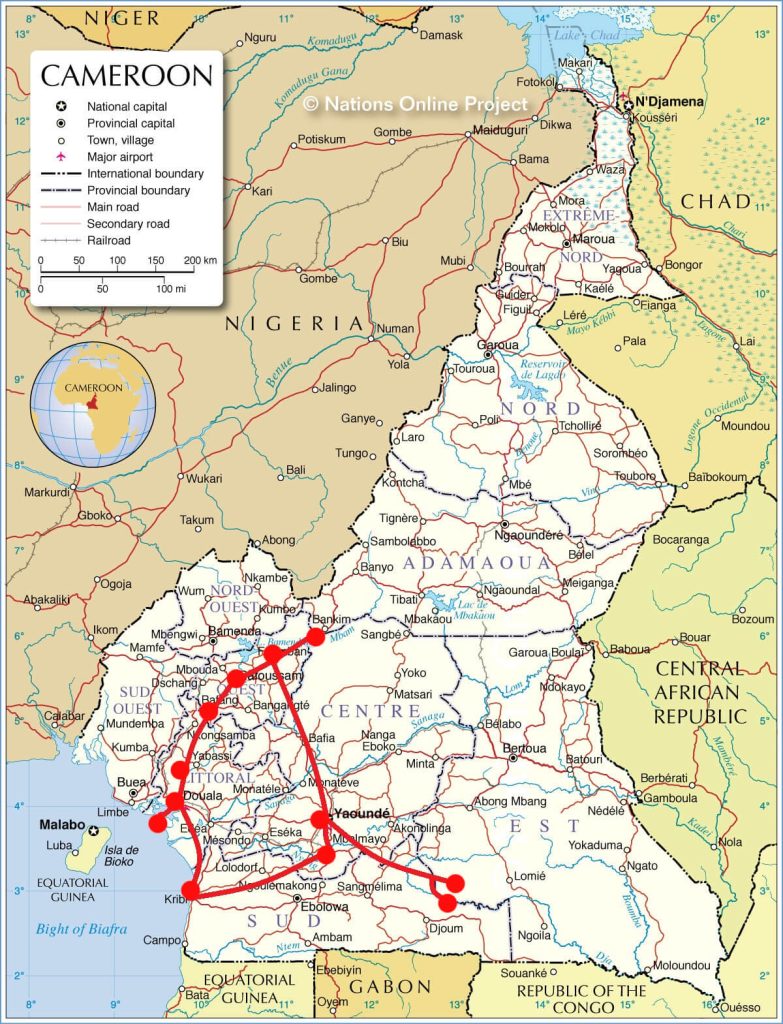
Cameroon is a land that allows no middle ground, where the electric frenzy of metropolises like Douala and Yaoundé—with bustling markets, incessant honking horns, and a humanity vibrating with pure energy—collides head-on with the primordial silence of the rainforest.
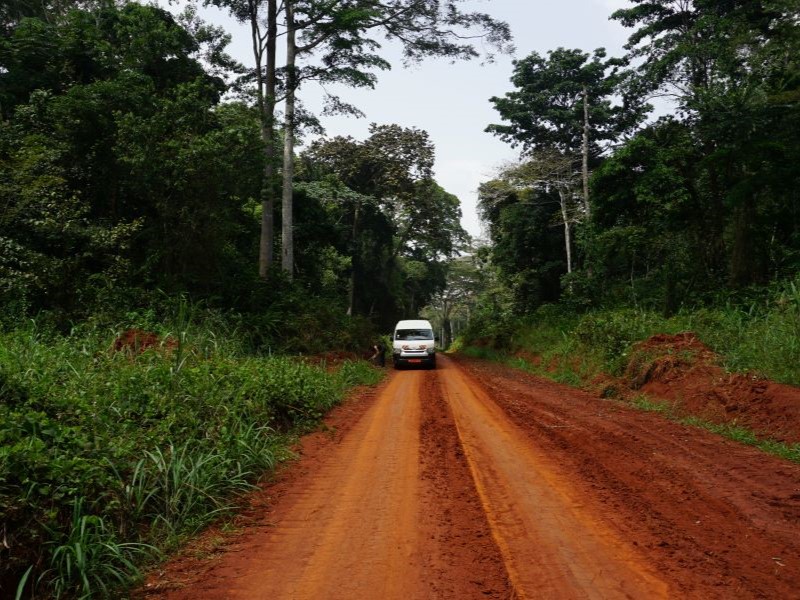
This isn't a journey for those seeking the comforts of packaged tourism, but an overland odyssey into the beating heart of Central Africa. It's about leaving the asphalt of the cities behind and entering a world of shadowy rivers reflecting vegetation so dense it seems impenetrable, until you glimpse the white shimmer of mighty waterfalls piercing the uniform greenery along endless red dirt roads. Here, where time seems to have stood still, encounters with Pygmy communities offer an authentic glimpse into a way of life in absolute symbiosis with nature, millennia removed from the digital rhythms to which we are accustomed.
Every great exploration deserves a landing place. And when the red earth of the forest finally gives way to the salty breath of the ocean, the peace found on the shores of Kribi tastes like a conquest. Prepare to get your shoes dirty with mud, navigate restless waters, and discover that, in this corner of the world, the true destination lies in the ability to let the journey itself change you.
We rely on Moh Jude of Cameroon Adventures & Tours for the logistics but above all to connect in the most authentic way with its people.
Cameroon: a mosaic of active volcanoes, white-sand beaches, and dense rainforest. It boasts approximately 250 local languages: a vast ethnic and linguistic puzzle.
The name Cameroon derives from the Portuguese “Rio dos camaroes” meaning river of shrimp, attributed by Portuguese explorers in 1472 to the estuary of the Wouri River due to the abundance of shellfish.
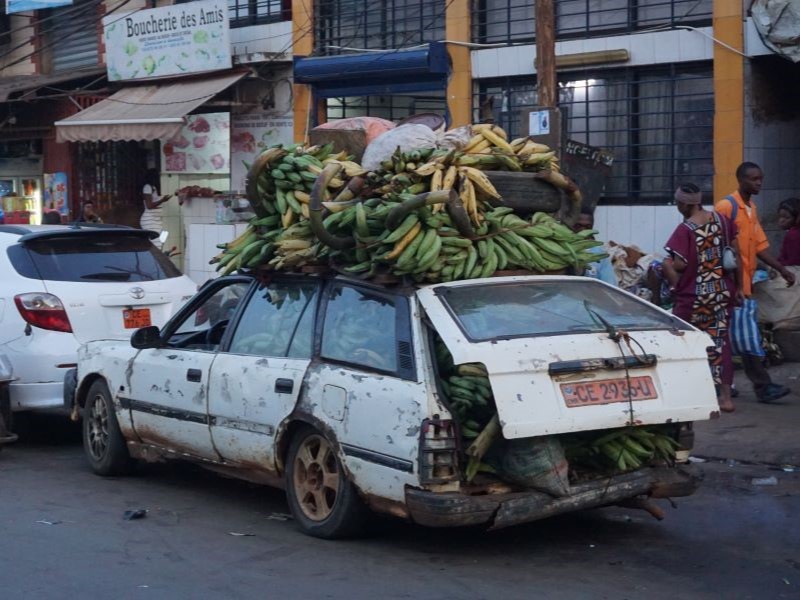
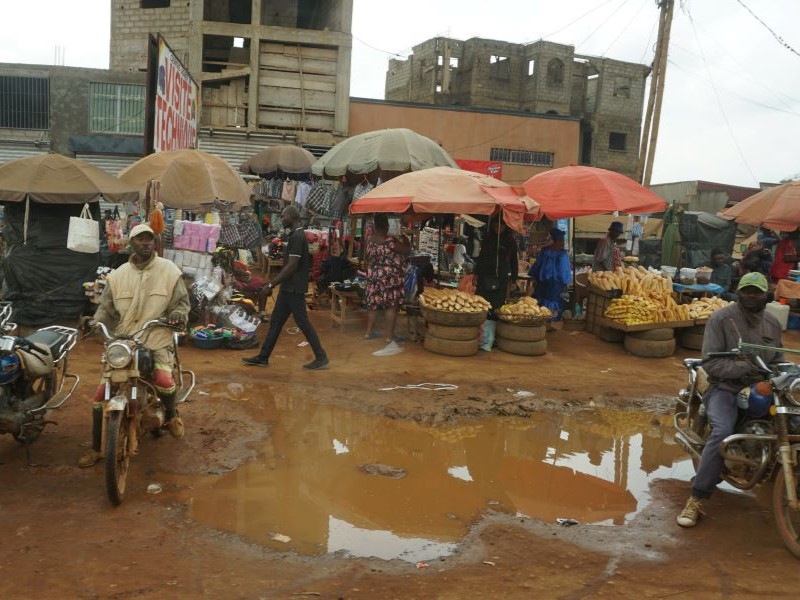
Thanks to its good road network, traveling in Cameroon is quite easy. You'll meet people who are skilled at walking while carrying something on their heads. Makossa music will be the backdrop to daily life, and the scent of roasted plantains will waft through the streets.
Our suggested itinerary (13 days) | |
three days: | Douala (visit to the Church of St. Peter and St. Paul; King's Bell Palace; Maritime Museum; Monument to the New Liberty), Jebalé Island |
three days: | Ekom Nkam Falls, visit to the Fovu Caves in Baham; stay at Batoufam Palace; Baleng Volcanic Lake and Metche Falls |
four days: | Visit to Foumbam (Museum of the Bamoun Kings); Foumbot (climb Mount Mbapit and the Fo'o volcano); Yaoundé; Dja Biosphere Reserve (experience with the Baka Pygmies); Somalomo (visit to the village with the Motirini) |
three days: | Mbalmayo; visit to the Orphelinat Maison des enfants en détresse; excursion to Mefou National Park (gorillas and chimpanzees); Mengame (dugout canoe on the Nyong River in Ebogo NP); Kribi (relaxing on the beach and visiting the Lobe Falls) |
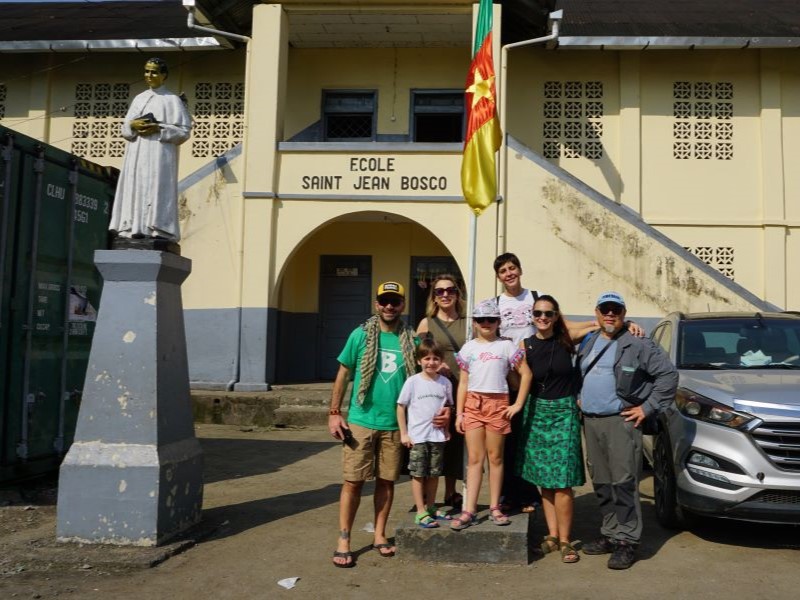
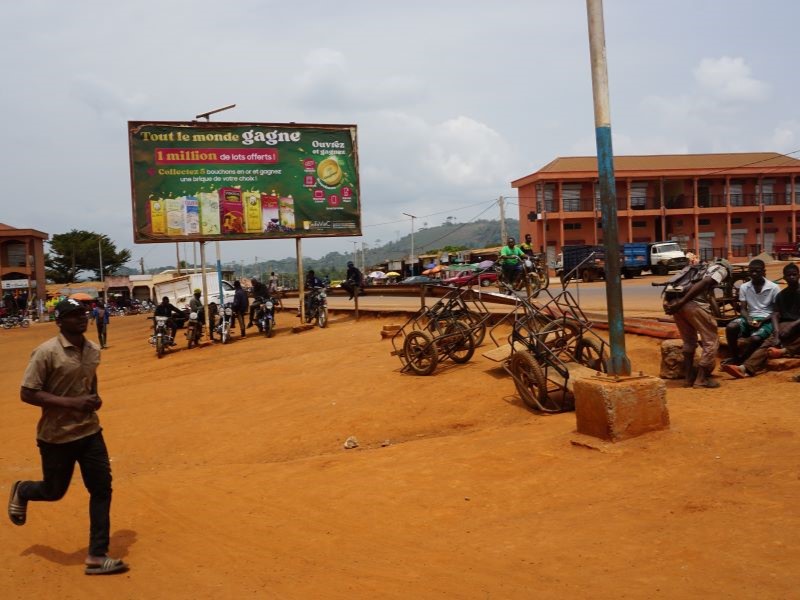
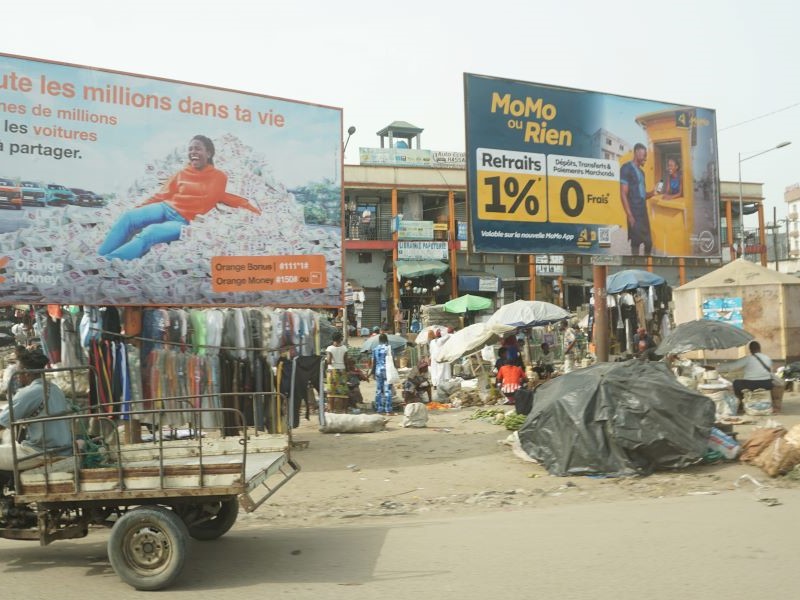
Douala. Humid, sultry, and frenetic, although not the capital, it is the country's most important city: it has the busiest airport, the largest port, and is the country's true business center.
We visit the church of St. Peter and Paul and are struck by its simplicity. Looking at the many musical instruments and microphones, we already imagine the gospel choirs and the engaging music that enliven religious services here in Africa.
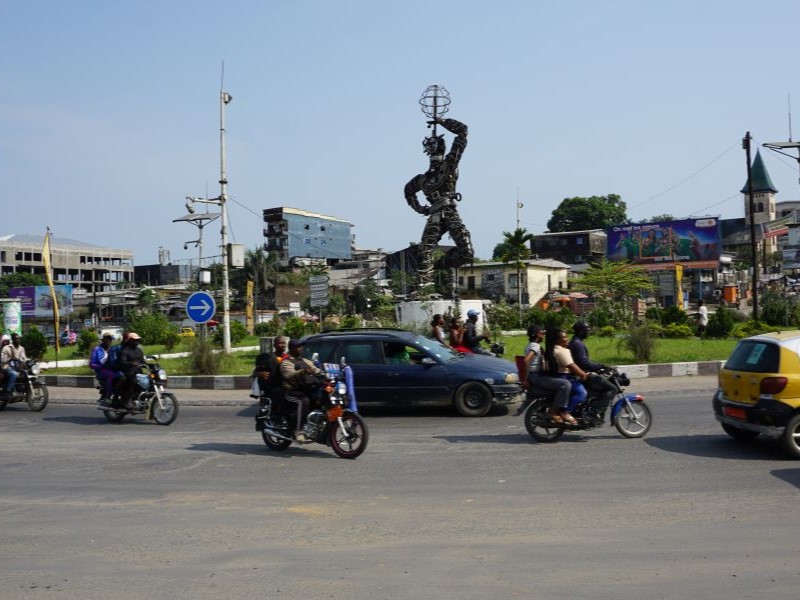
Let's take a short city tour to discover the Monument to the Unknown Soldier, the King's Bell Palace—a UNESCO World Heritage site—also known locally as "La Pagode" for its unique architecture reminiscent of an oriental pagoda. It is one of Douala's most important historical symbols, testifying to the era of the Douala coastal kingdoms and their interaction with colonial powers. It is an essential landmark for anyone who wants to understand the city's roots; the stadium dedicated to legendary footballer Mbappé Leppe; the humble Maritime Museum; and the Nouvelle Liberté Monument at Rondpoint Deido. This 12-meter-tall statue, a masterful example of "recycling art," is entirely composed of scrap metal, car parts, old pipes, and industrial waste collected from the streets of Douala. It represents the ability of Douala's citizens to "do a lot with nothing," transforming what is discarded into something majestic. It is a hymn to the freedom and ingenuity of the Cameroonian people.
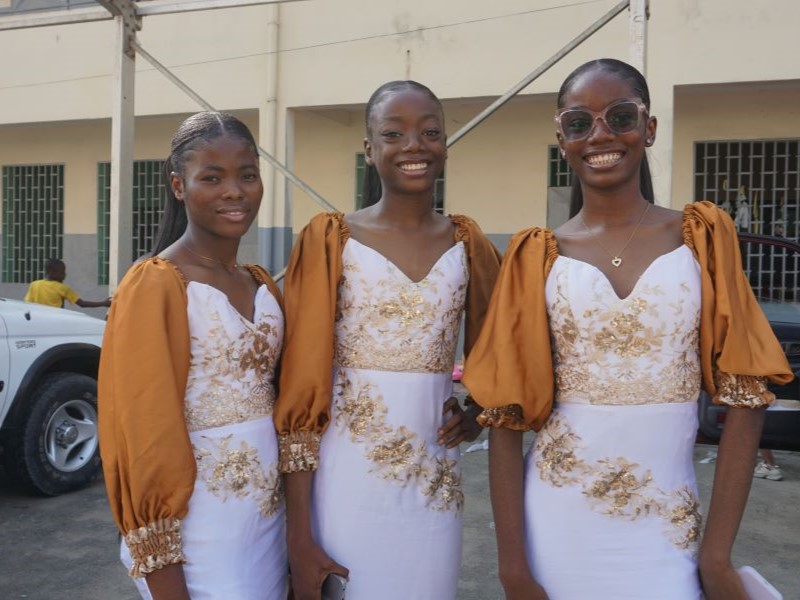
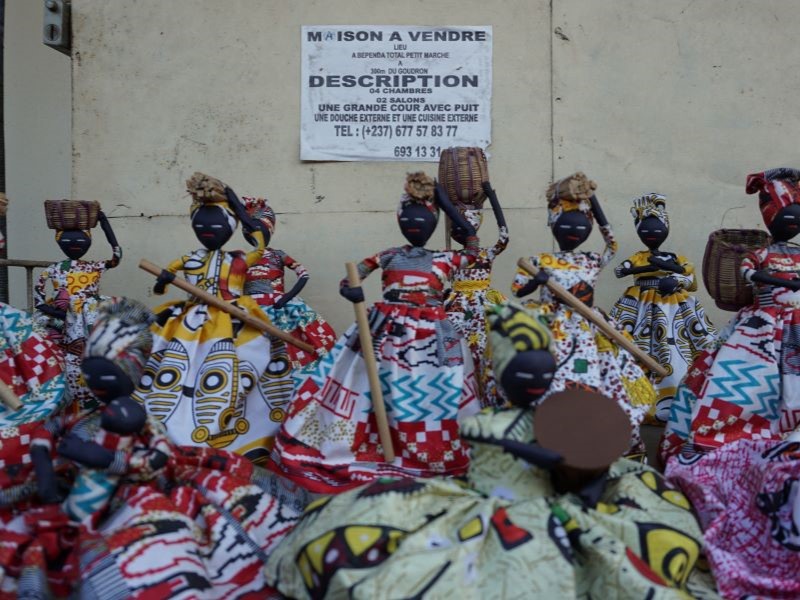
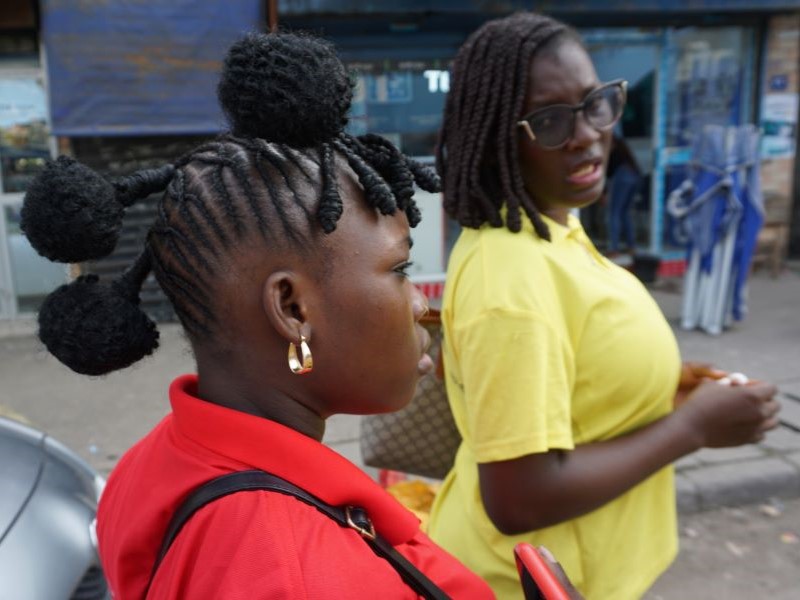
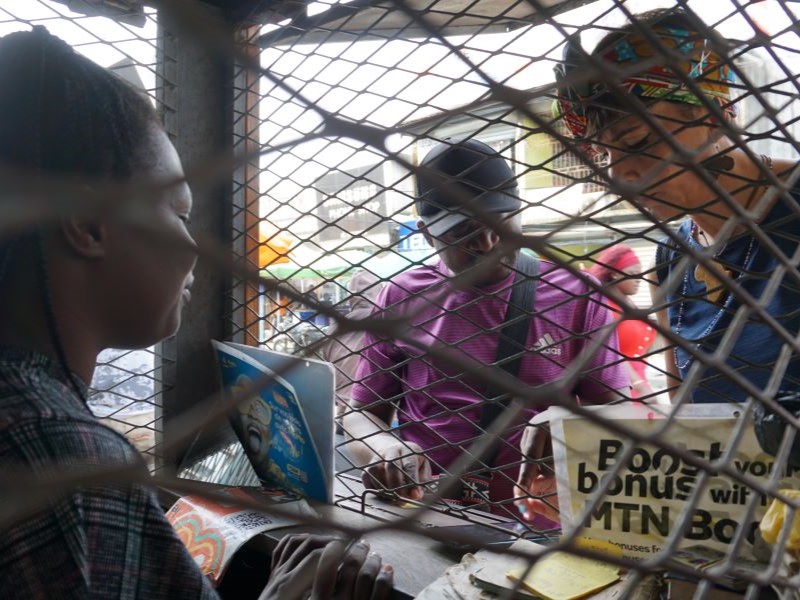
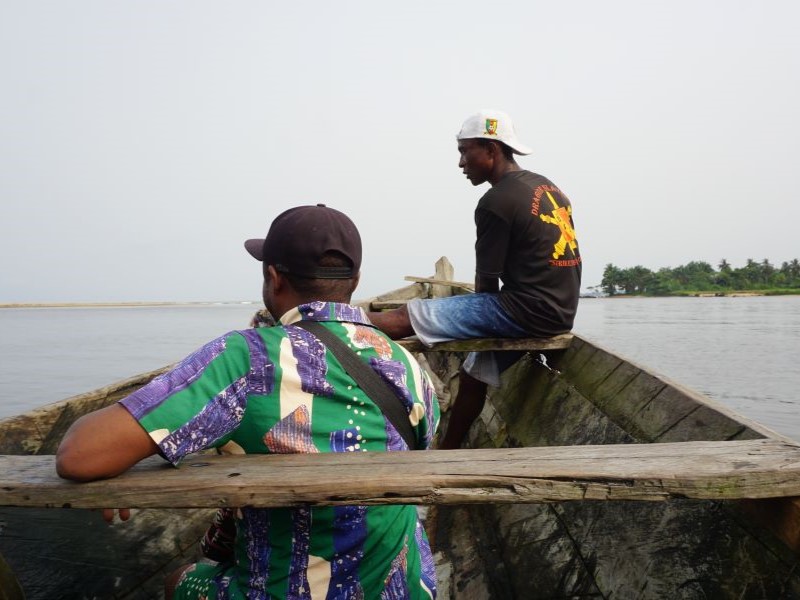
In Bonassama, aboard a characteristic pirogue we cross the Wouri River to reach the island of Jebale.
This is not just a fishing island; it is the spiritual heart of the Sawa people (people of the sea). It is here that traditional leaders gather for the secret rituals preceding the famous Ngondo festival.
Furthermore, according to local traditions, the island is protected by the Miengu (mermaid-like aquatic spirits). During ceremonies, initiates immerse themselves in the waters of the Wouri River to communicate with their ancestors and bring messages back to the community.
The island has recently hit the international headlines as the homeland of footballer Kylian Mbappé's family (his father, Wilfried, was born here). His visit in 2023 has put the spotlight on this fishing village, which has remained almost frozen in time, thanks in part to the renovation of the only school the footballer oversaw.
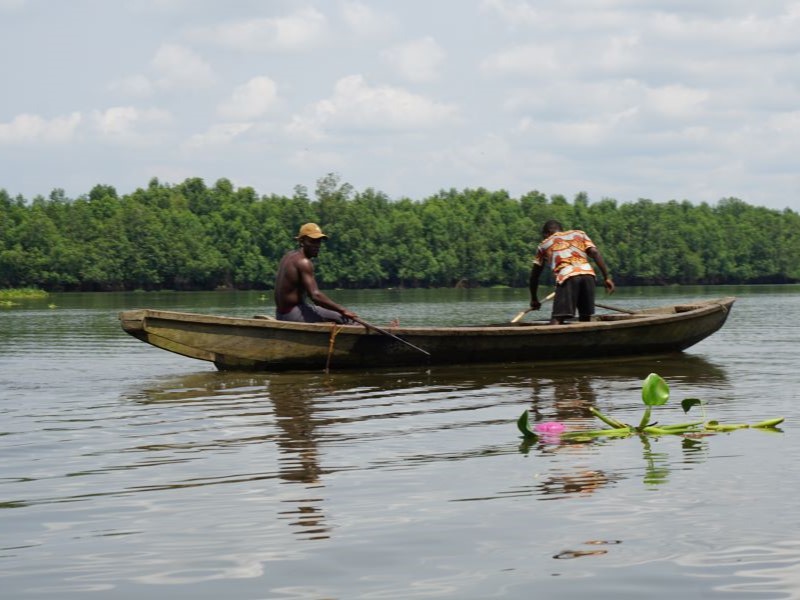
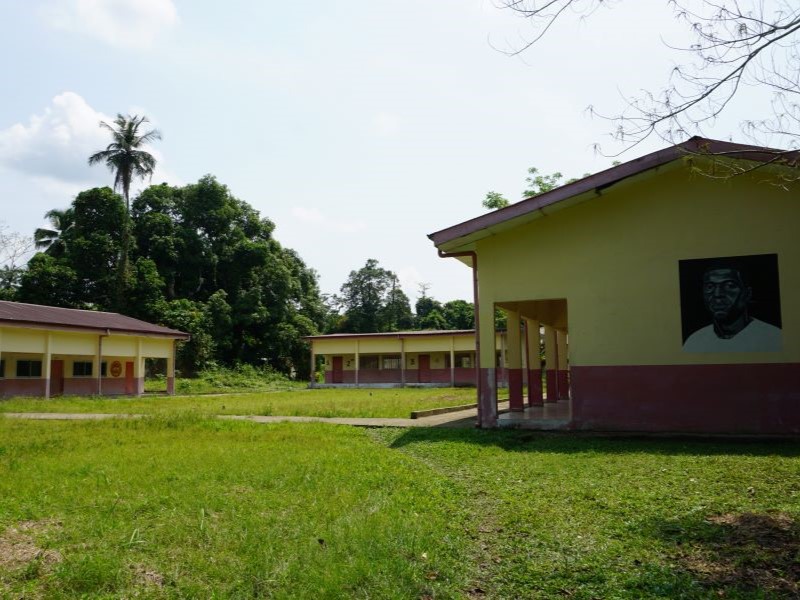
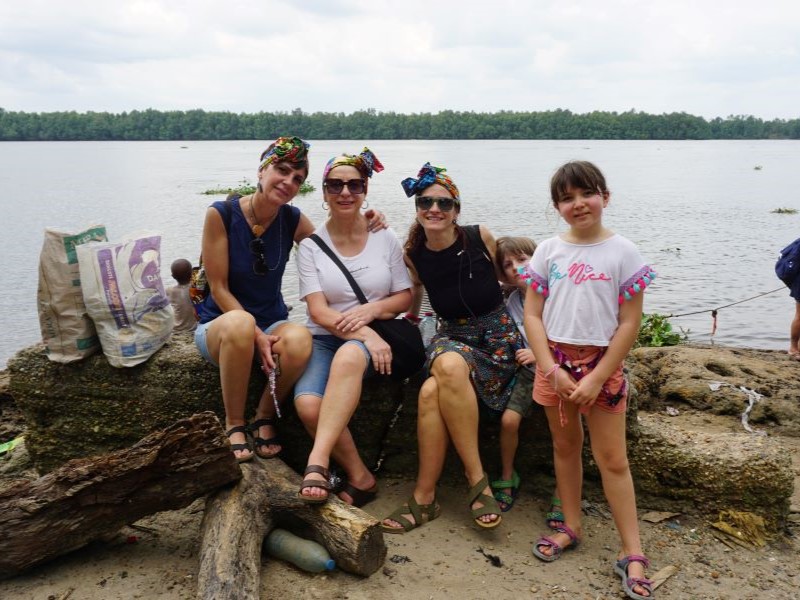
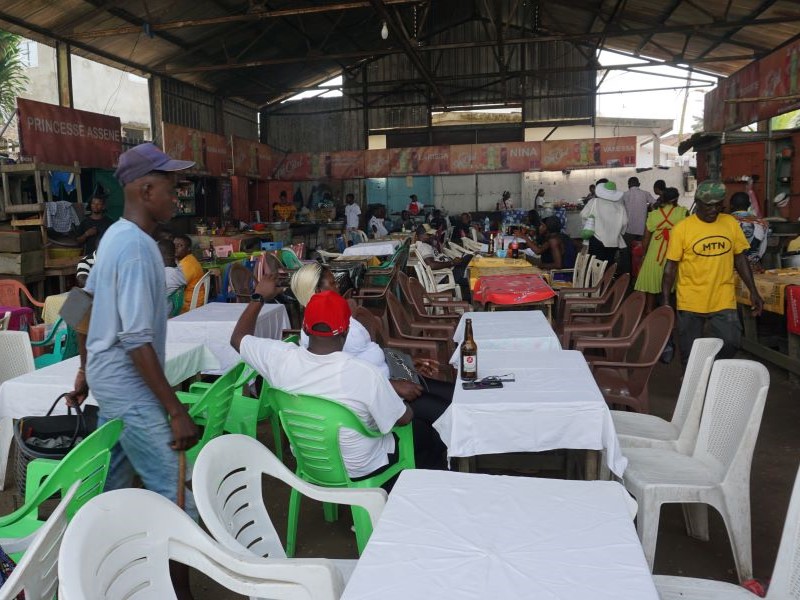
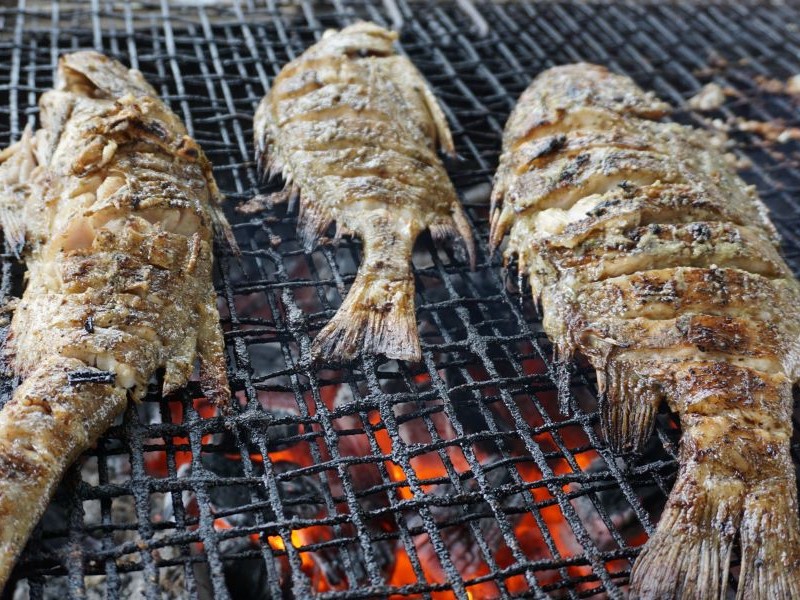
Back on dry land, we stopped to eat some freshly caught fish grilled in front of us: African style.
It's late afternoon when we return to our hotel Mickel for a delicious buffet dinner!
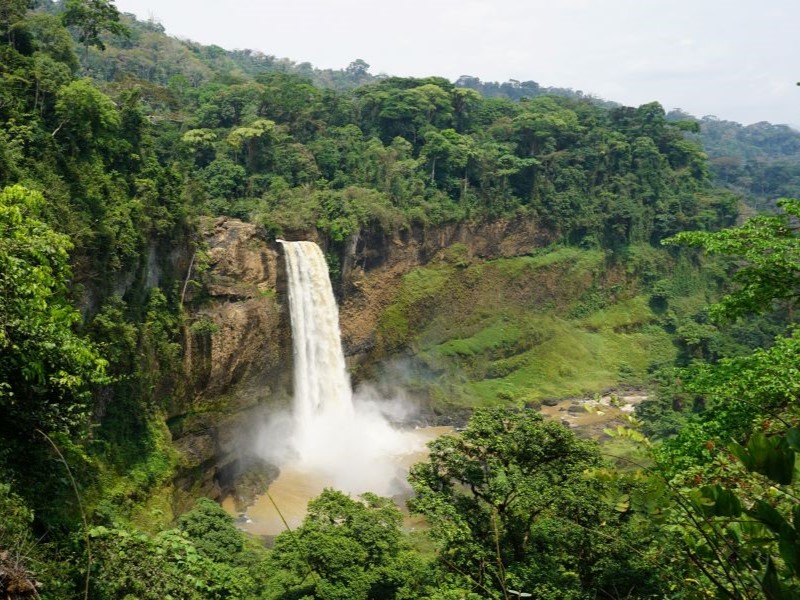
We set off early in the morning to the Ekom Nkam waterfalls – these waterfalls have entered the world's collective imagination as the location for the film "Greystoke: The Legend of Tarzan, Lord of the Apes" (1984) with Christopher Lambert: the force of the water falling for around 80 metres into the void, surrounded by vegetation so thick it seems prehistoric, perfectly embodies the idea of the virgin jungle.
The name “Ekom Nkam” derives from the Nkam River and the peculiarity is that the waterfalls are composed of two distinct jets:
We set off again and it took us more than 4 hours to reach the Fovu Caves in Baham.
A sacred and iconic site steeped in history and shrouded in mystery. Here, the Bapa people have venerated their ancestors for centuries, offering salt, cassava, and chickens according to ancient rituals passed down to the present day.
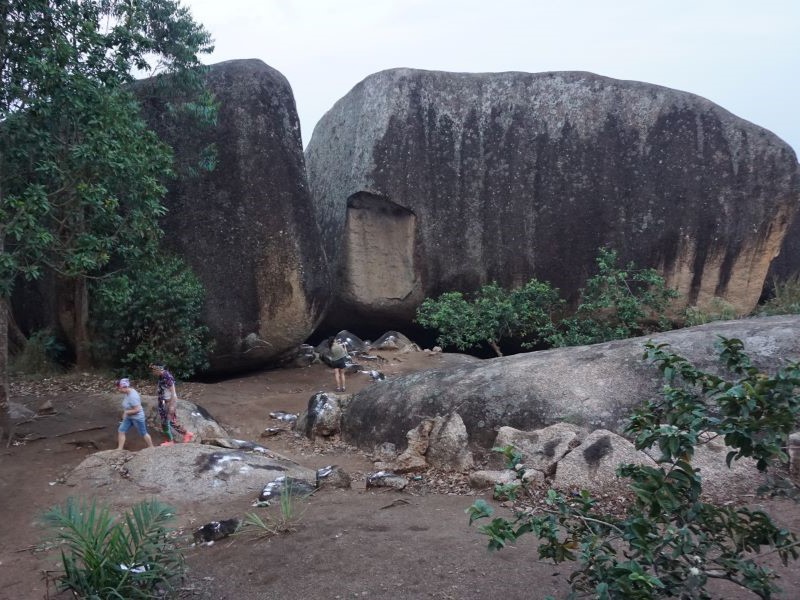
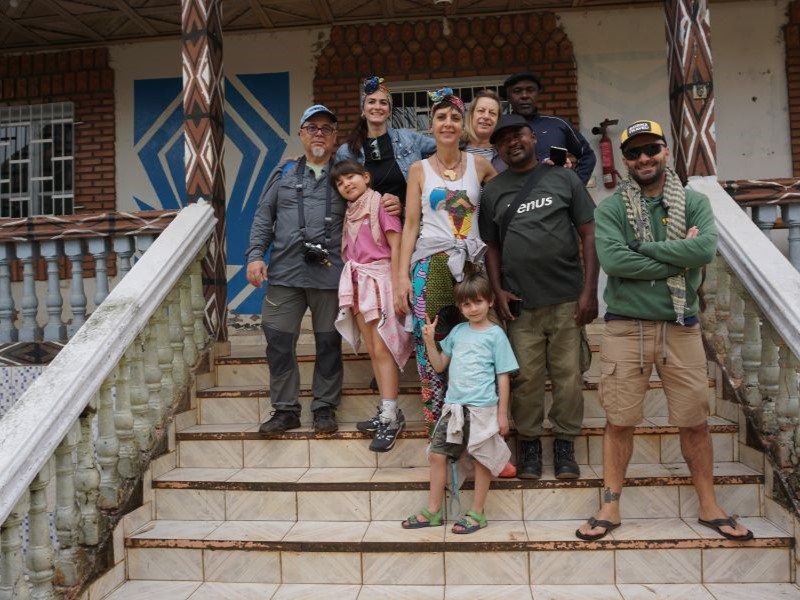
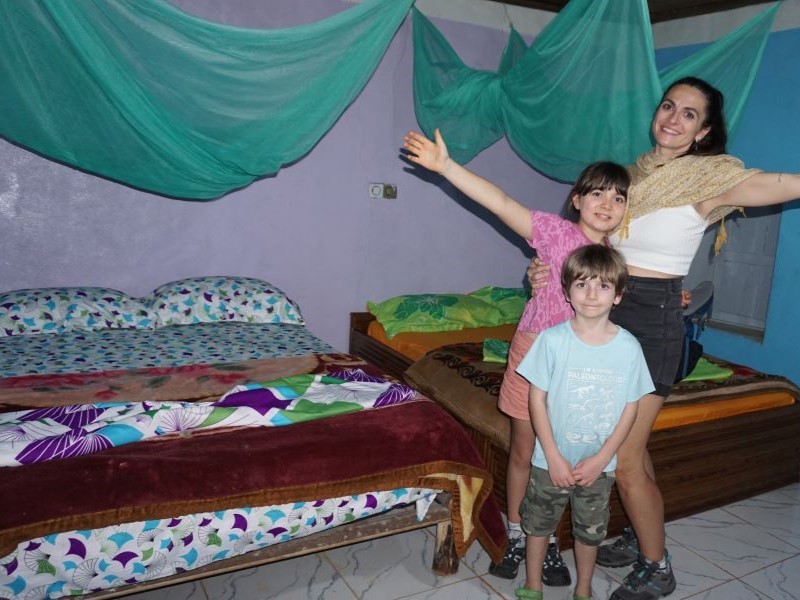
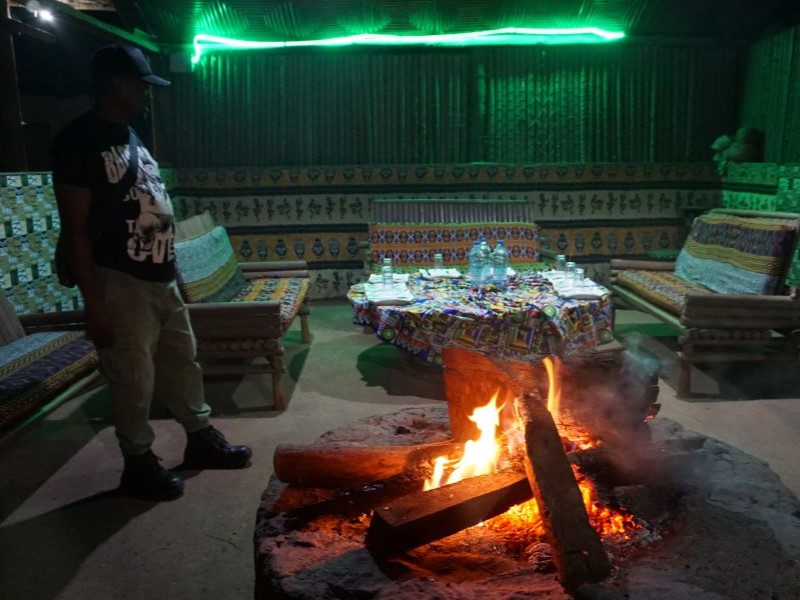
We're staying in the middle of nowhere at the ancient Batoufam Palace guest house, an extravagant place that we'll only be able to visit and discover the next morning in the sunlight.
It's a very spartan place where you don't get a good night's sleep, even though, wrapped in our sleeping bags and protected by the mosquito net, we sleep quite well, but only after battling a giant huntsman spider or banana spider that we found conveniently in the bathroom.
Batoufam Palace is truly an open-air museum. It is the residence of the King of Batoufam, who has reigned and governed the town for hundreds of years.
The guide tells us many curious and interesting anecdotes as we visit the palace's many courtyards, richly adorned with local sculptures...
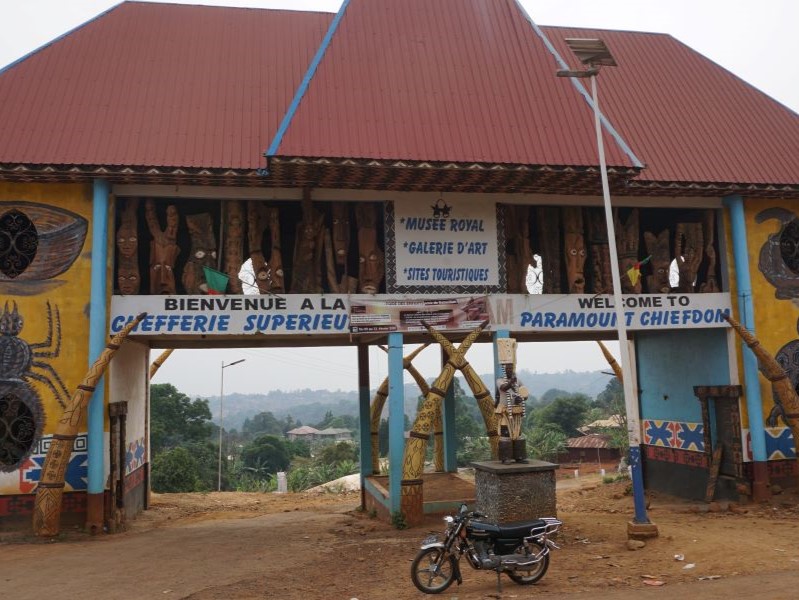
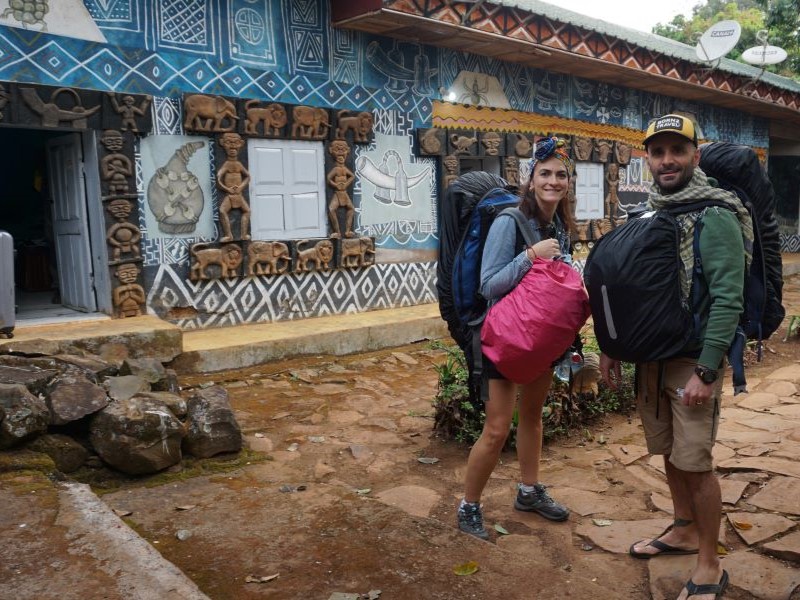
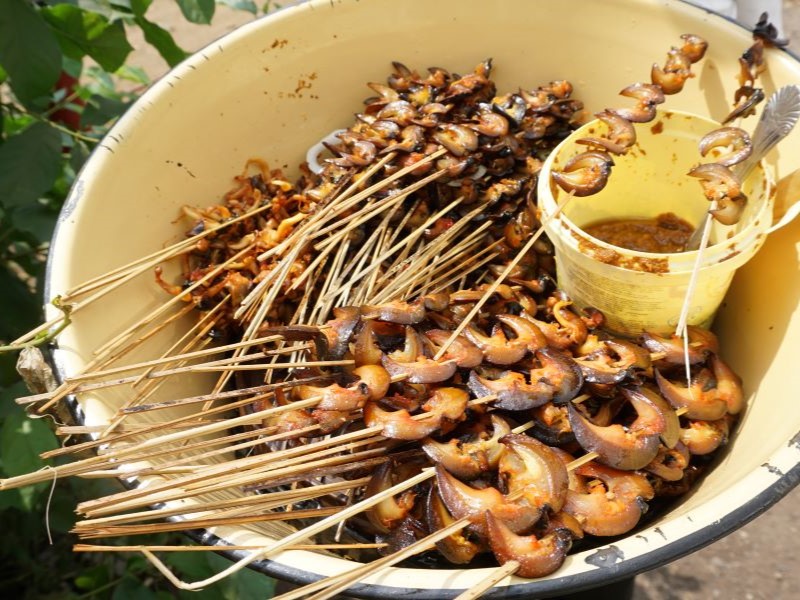
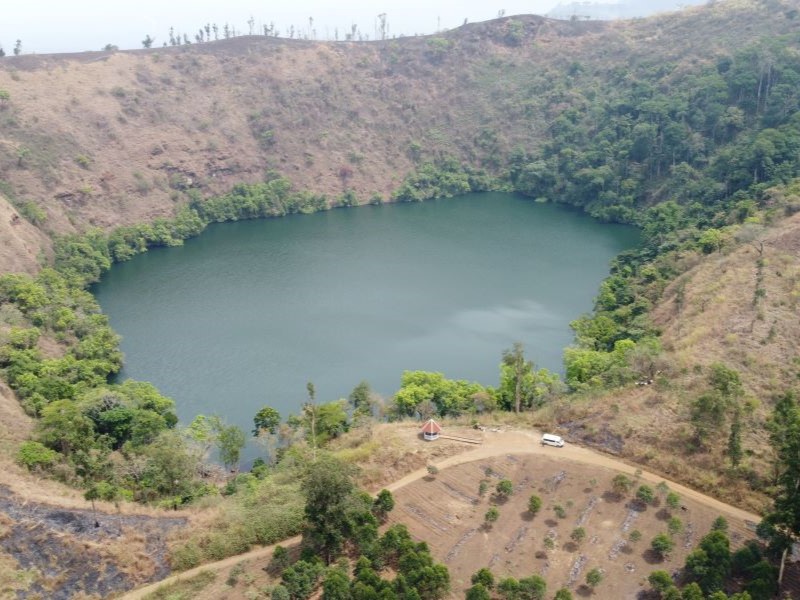
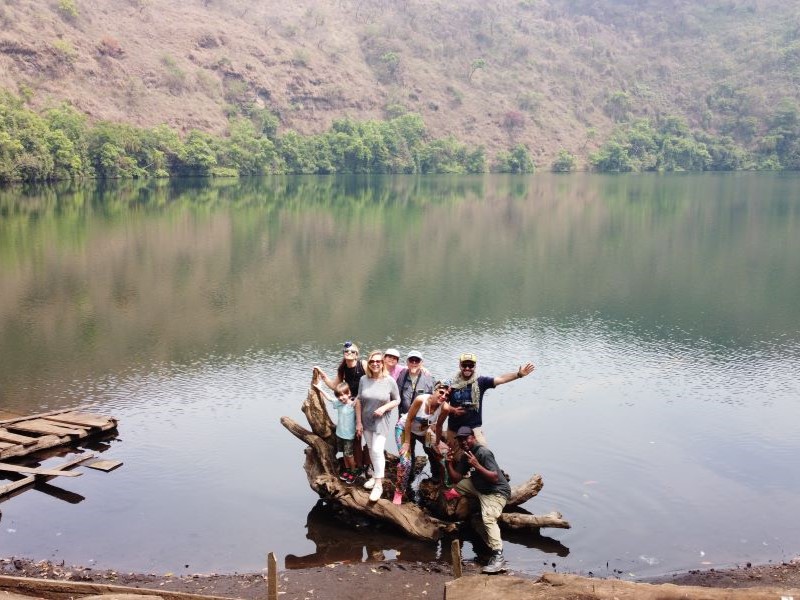
We set off again towards the volcanic lake of Baleng, very characteristic especially from above thanks to the images from our drone. Unfortunately, the boat that was supposed to take us to experience the lake from inside had sunk a few days earlier.
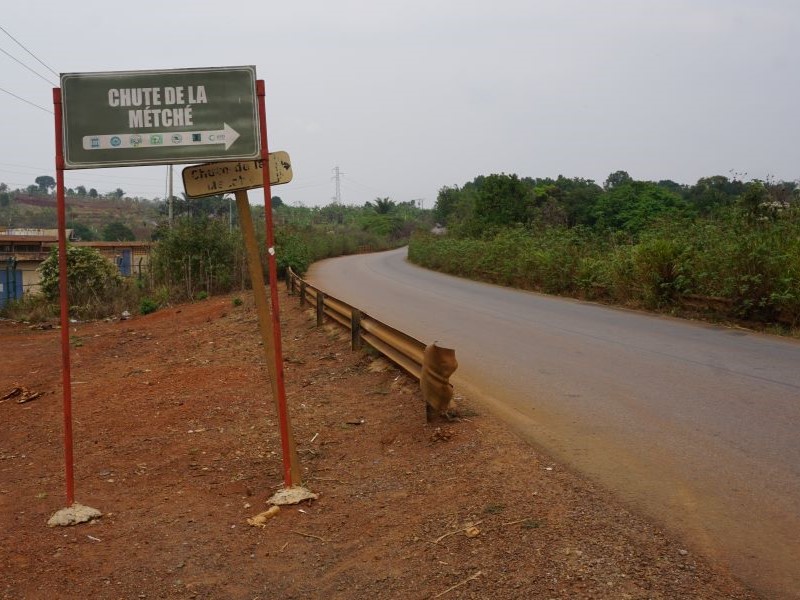
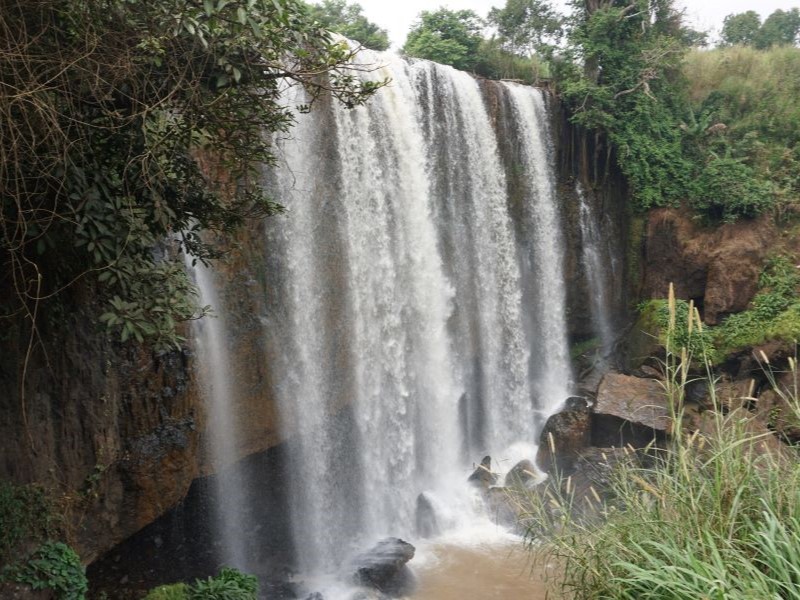
Metche Waterfalls. A visit to this sacred site is fascinating, as it was here that many Cameroonians were executed by the French military by throwing them over the edge of the waterfall. This practice ended on September 12, 1959, when a Cameroonian prisoner, under the pretext of revealing an important secret to a French colonel, drew him close, embraced him, and leaped into the void, sacrificing himself and killing the enemy.
Today it is a place of worship and prayer to remember and honor the many victims of that sad period.
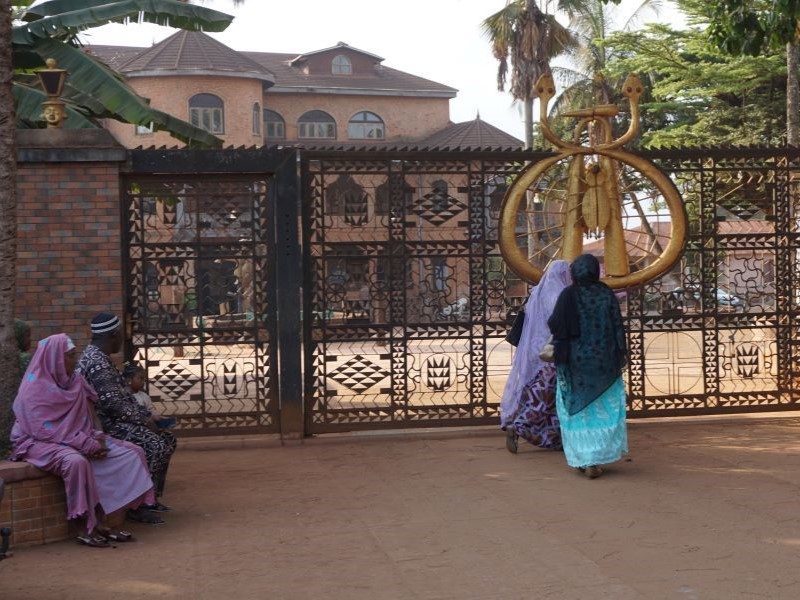
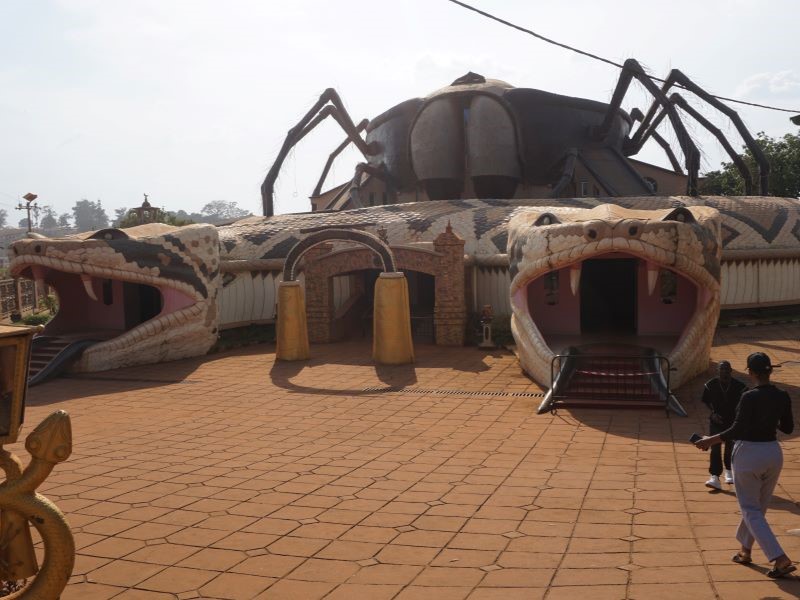
In the afternoon, we arrive in Founbam to visit its fascinating "Museum of the Bamoun Kings," opened just a year ago! Its distinctive shape, with two serpent heads and a large spider on top, retraces the entire history of the Bamoun people and, more specifically, their twenty kingdoms, with unique and highly valuable artifacts.
In the evening we reach Foumbot, tonight we will sleep at the C3 hotel to relax a bit.
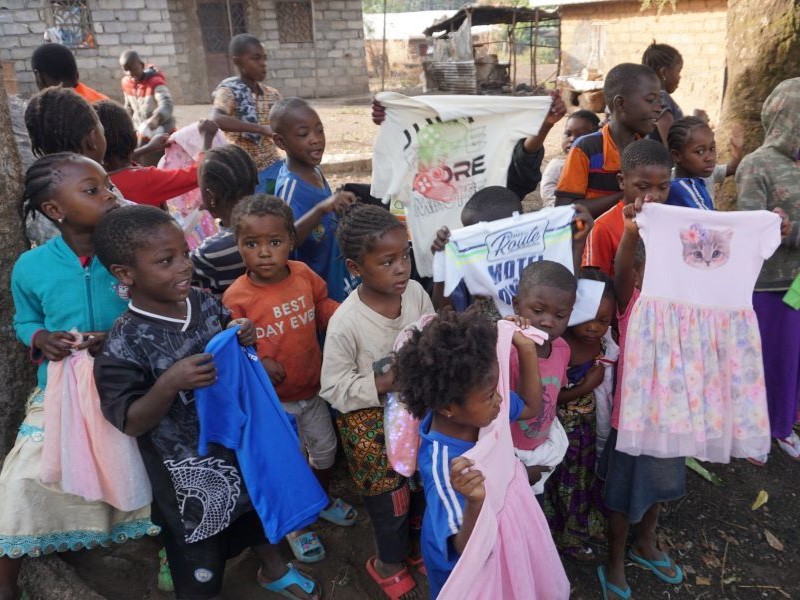
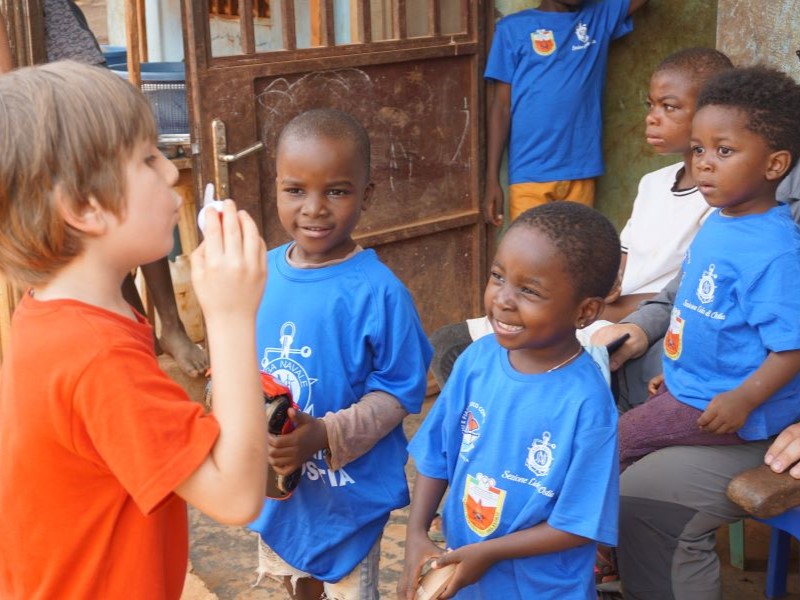
We set off early in the morning toward the slopes of Mount Mbapit. In the small village, we're mobbed by a hundred or so cheering children. They mustn't see many white people here! We manage to give them lots of clothes and toys we brought from Italy, and every time it's always a celebration for us, too.
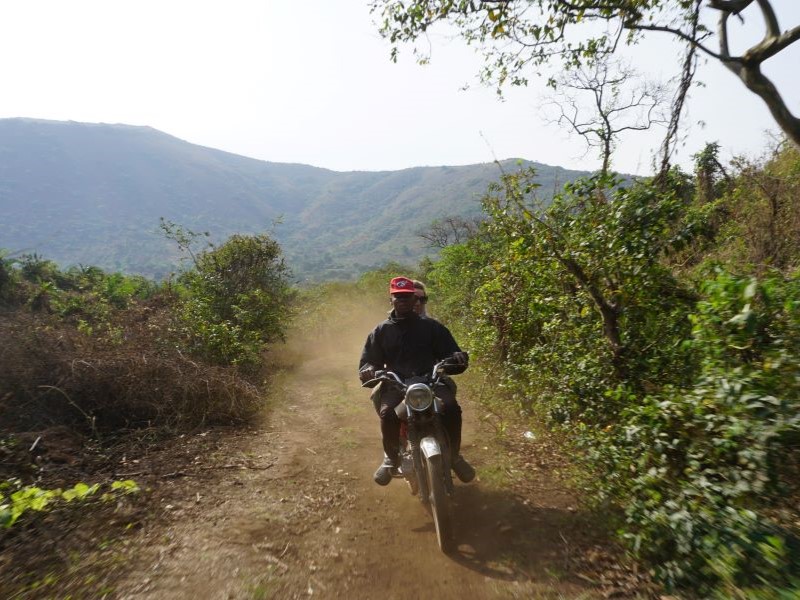
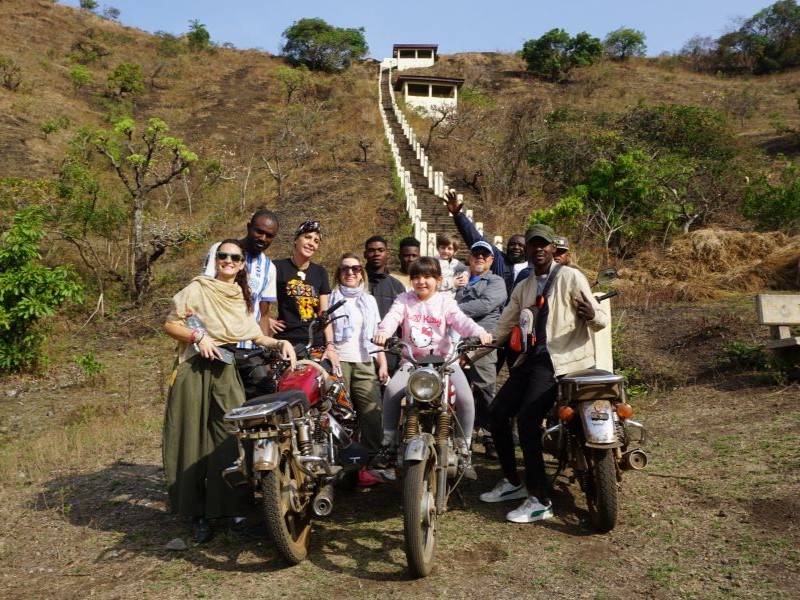
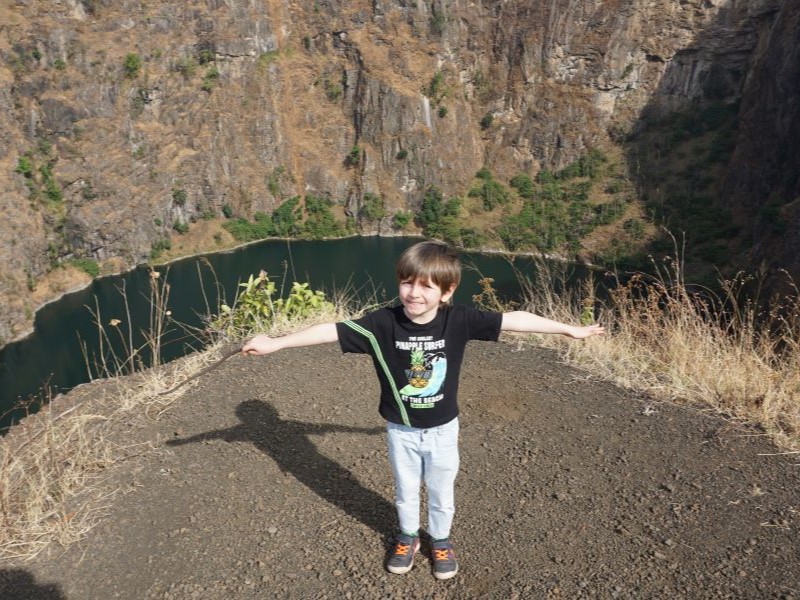
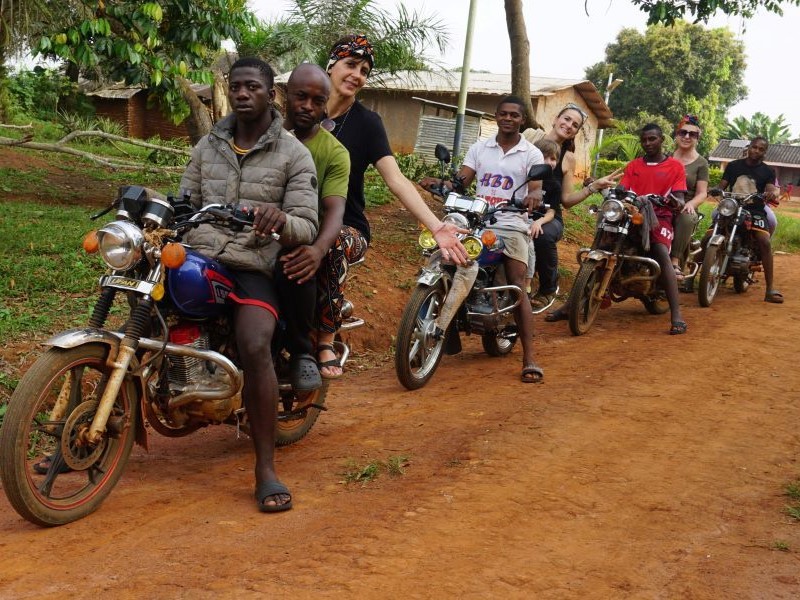
On board various local scooters, the same ones used as taxis and two-wheelers, we climb some paths to a long staircase of 300 steps that leads us to a magnificent viewpoint of the Mbapit crater and the Fo'o volcanic lake.
This is also a sacred place for the locals: the Bamoun, who, unlike other ethnic groups, do not usually make animal sacrifices, such as sprinkling salt and cassava on the ground. According to legend, the lights that sometimes shine on the lake at night are the souls of an ancient kingdom from its court, who chose to disappear into the water rather than surrender to their enemies...
We set off again towards the capital, and it's very tough because, after five hours of driving, we reach the outskirts of Yaoundé and get stuck in the city's chaotic traffic. Tonight we'll sleep early at the Sindz Hotel.
Yaoundé is a growing city, graced by a series of art deco administrative buildings. Always bustling and steeped in history, it's a city that never sleeps, as we noticed from the deafening chaos that accompanied us all night.
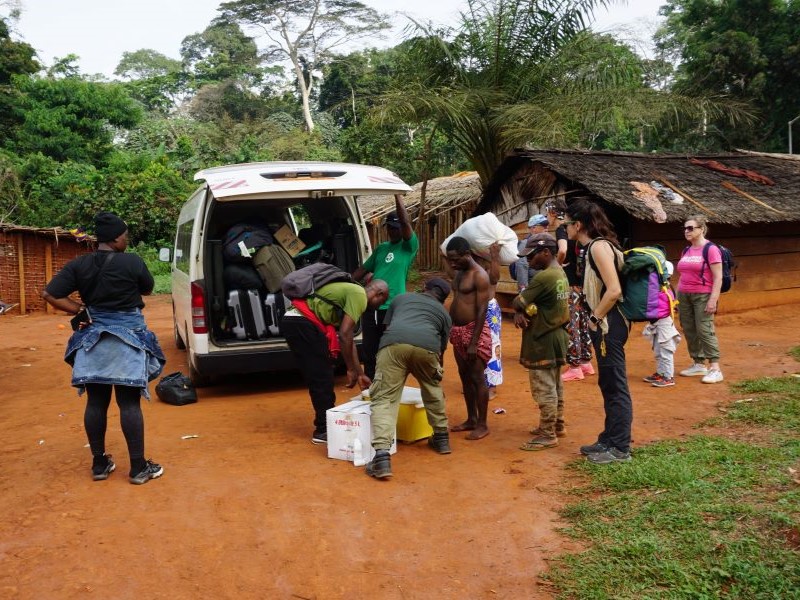
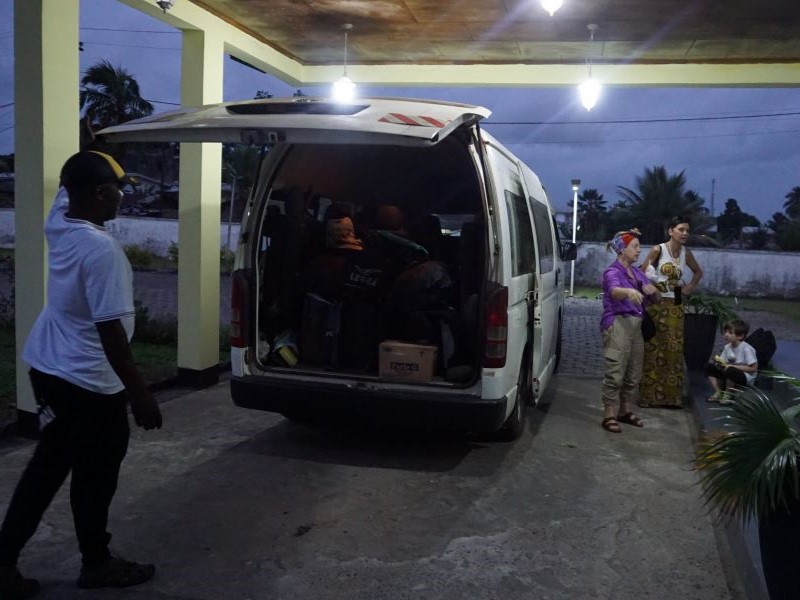
Early in the morning, after loading up the camp kitchen, tents, and food for the next two days, we set off toward the Dja Biosphere Reserve.
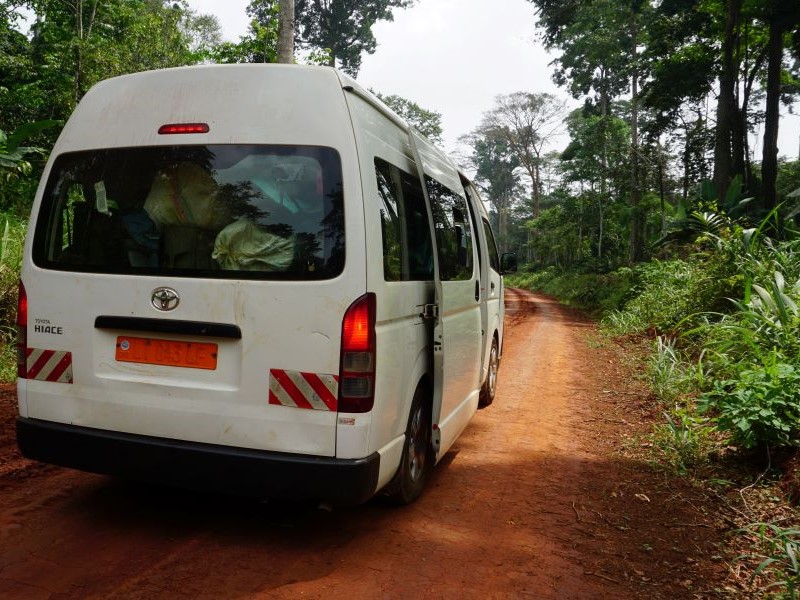
The journey is long, more than 6 hours by van, passing through numerous Bantu villages and travelling along the only paved road close to the rainforest.
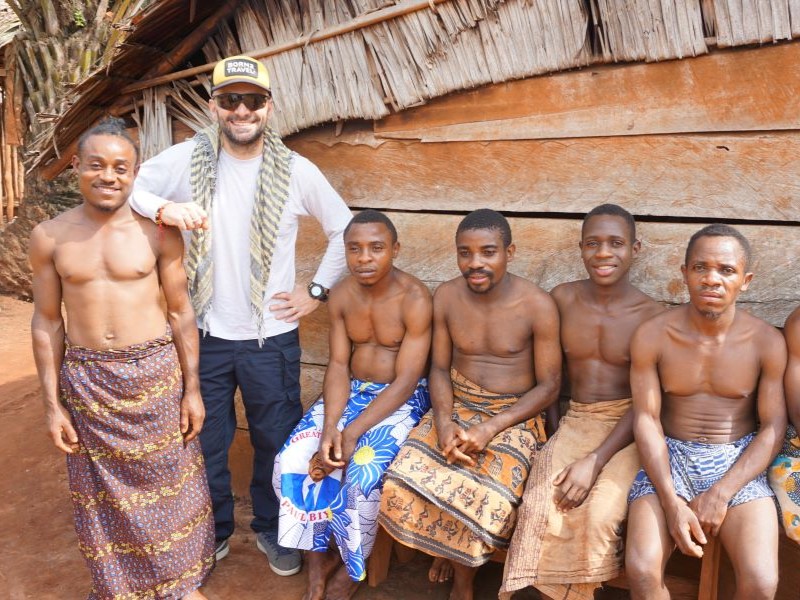
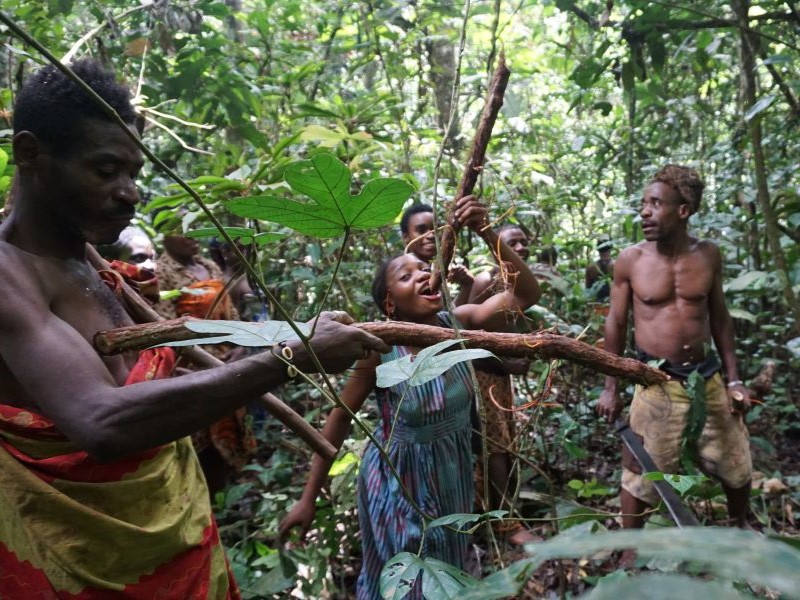
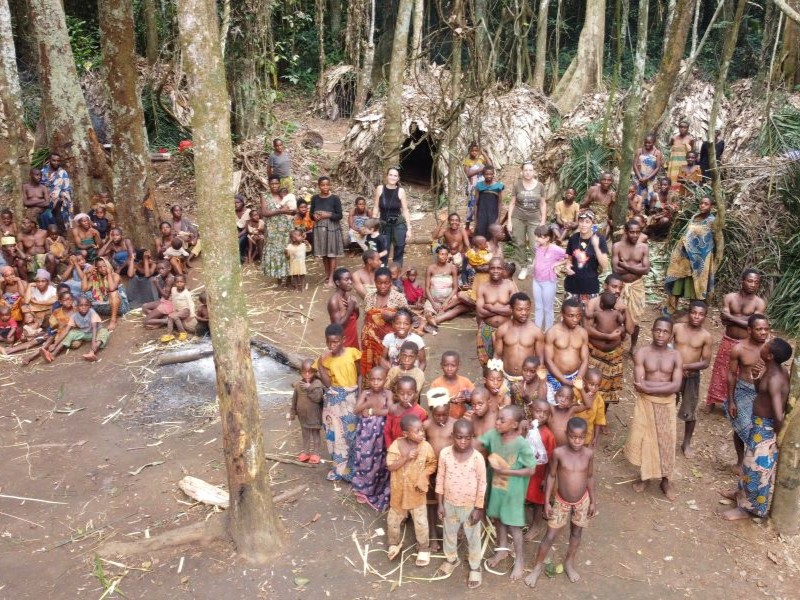
We stop near the village of Somalomo, where six men, with big smiles and small stature, are waiting for us: they are Pygmies! How exciting to see them in person, representatives of this tribe we studied so many years ago in school! We've packed very little for these two days, carrying only the bare essentials in our backpacks!
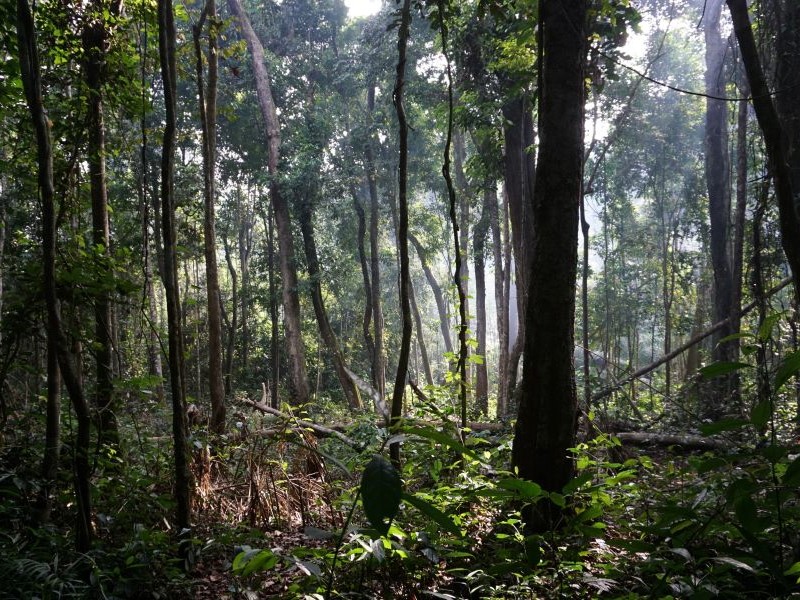
The Pygmies, with their camp gear placed on their heads, set off in single file, heading into the increasingly thick forest, with us following behind them.
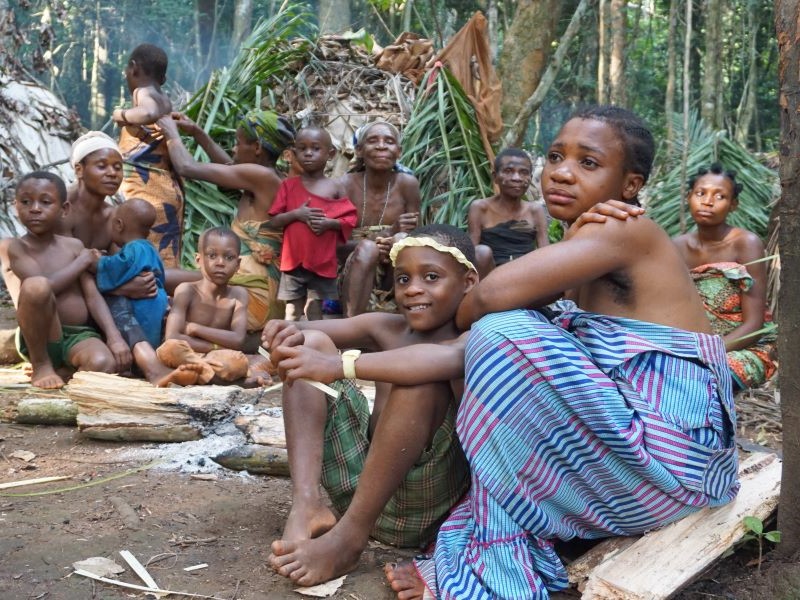
We walk for about an hour through a truly Jurassic World-like landscape, when suddenly, in the distance, we begin to hear the impressive sound of drums... The excitement grew more and more until, hidden by thick vegetation, we notice a lot of men, women and children, with their private parts covered but otherwise naked, waiting for us, dancing and singing.
We will spend almost two days with them.
The emotions you'll experience will be endless! We follow them as they show how they hunt, how they build traps for both small animals and snakes, how they fish for women in the rainforest streams, how they heal themselves using herbs, bark, and roots, how they collect honey by climbing tall trees—all using only what nature provides, masterfully weaving vines, and ingeniously wielding their trusty machete.
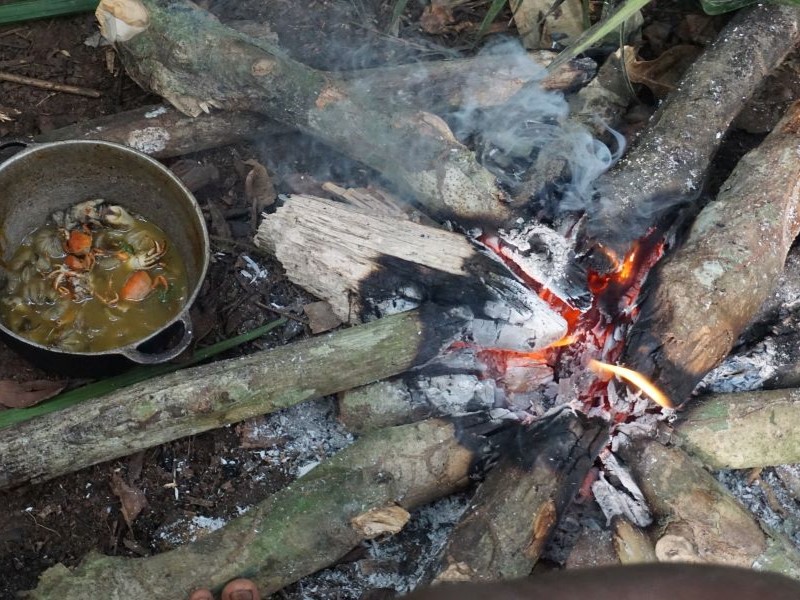
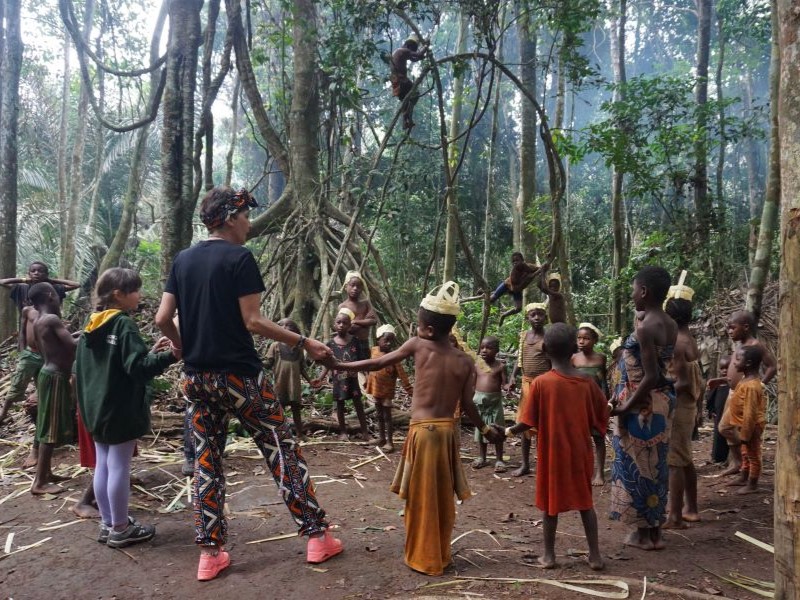
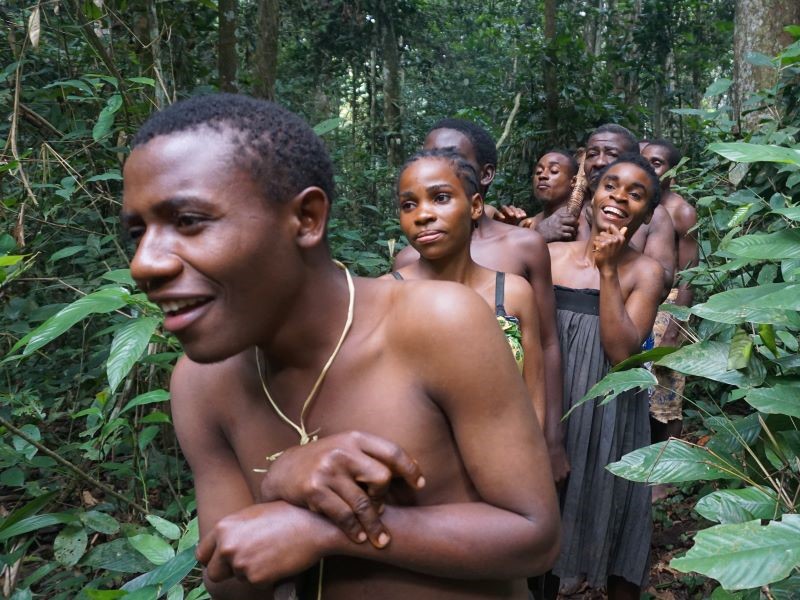
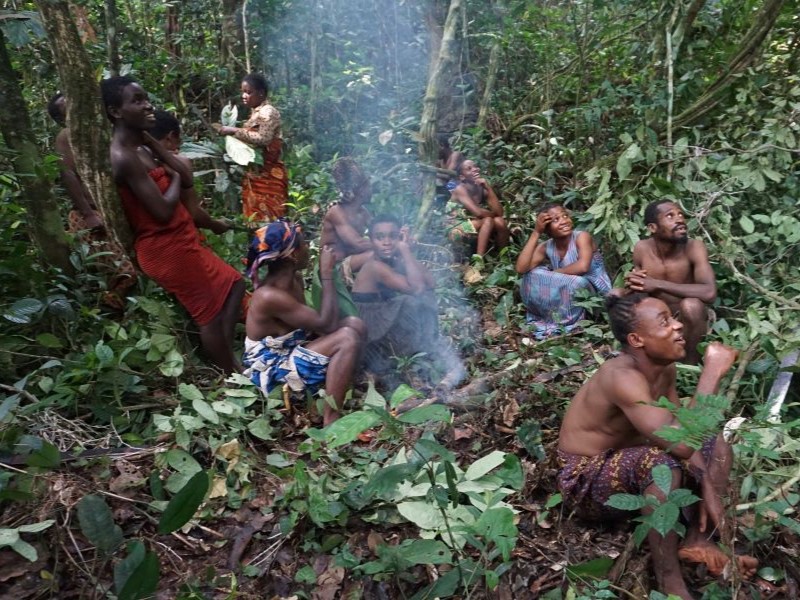
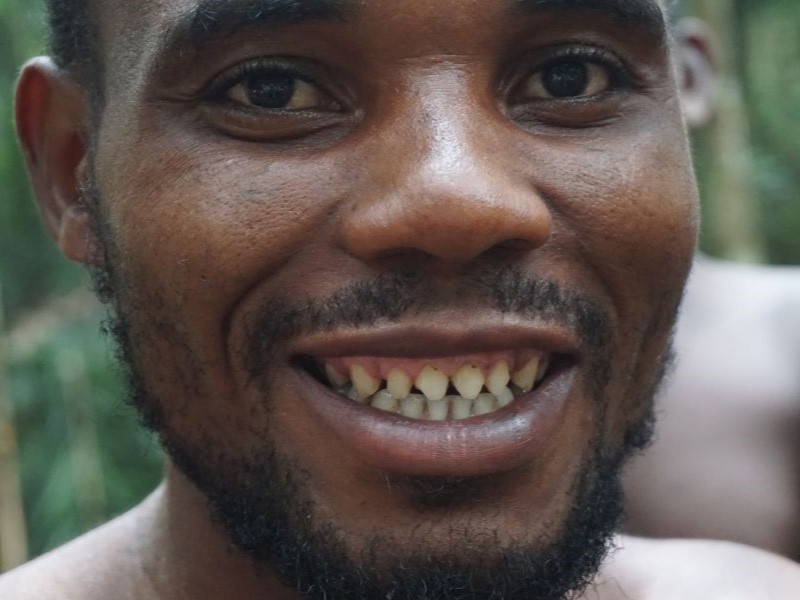
One thing that impressed me was the practice of filing teeth. Using a stick held between the teeth, the village chief, equipped with a knife and a small hammer, taps the chosen one's teeth, shaping them into a triangular shape to more easily tear and eat the meat they are so fond of.
Over the years we have come into contact with many populations and tribes but, perhaps, we have never lived the experience of following one of them in their daily lives so intensely.
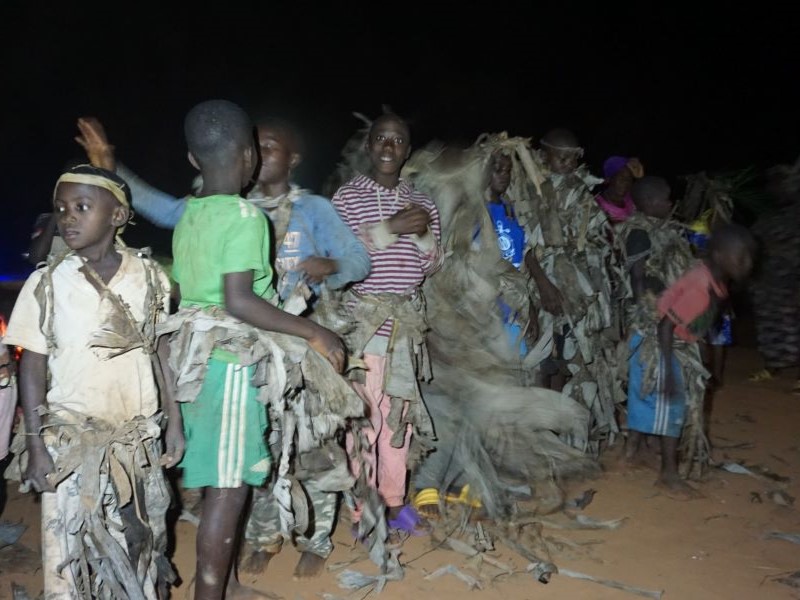
Night falls early here, partly because nature is so dense that the sun's rays barely manage to filter through... I had a hard time using the drone due to the lack of openings between the trees... They light a large fire, alternating with large drums, playing music, dancing, and singing, invoking the arrival of djengi, the spirit of the forest, a faceless ancestral spirit covered in long branches whose arrival enlivens the entire village.
We're not used to living in such wild nature, going to the bathroom by venturing into the middle of nowhere hoping not to encounter insects or other animals, the absence of water, of electricity and the next day we're a bit tired...
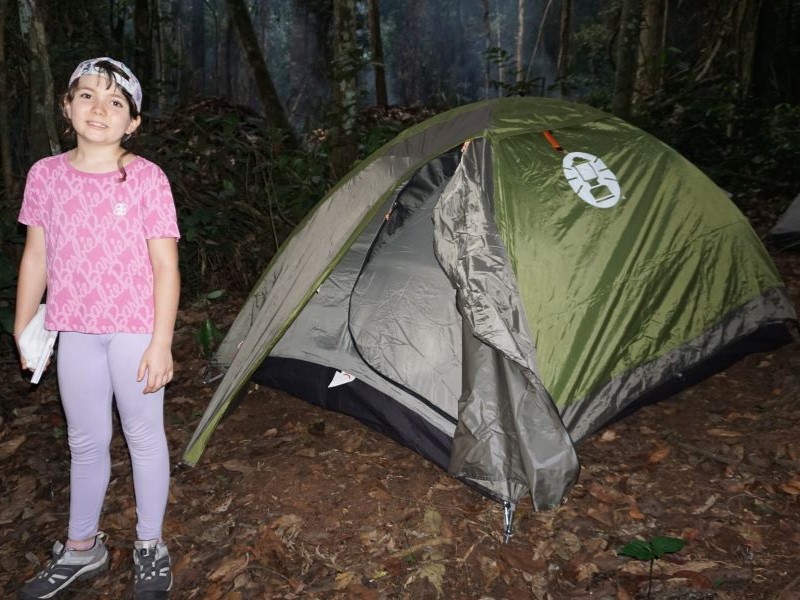
We say goodbye to them and, followed by dozens and dozens of Pygmy children in single file with us, after an hour we reach our van. We leave them lots of T-shirts, toys, biscuits, and we avoid giving them our shoes after the failure with the Americans. Ethiopia and we set off again towards the small village of Somalomo, we will sleep at Mama Rose Inn, a small house with four rooms and four beds… that's it… no water, electricity or bathroom!
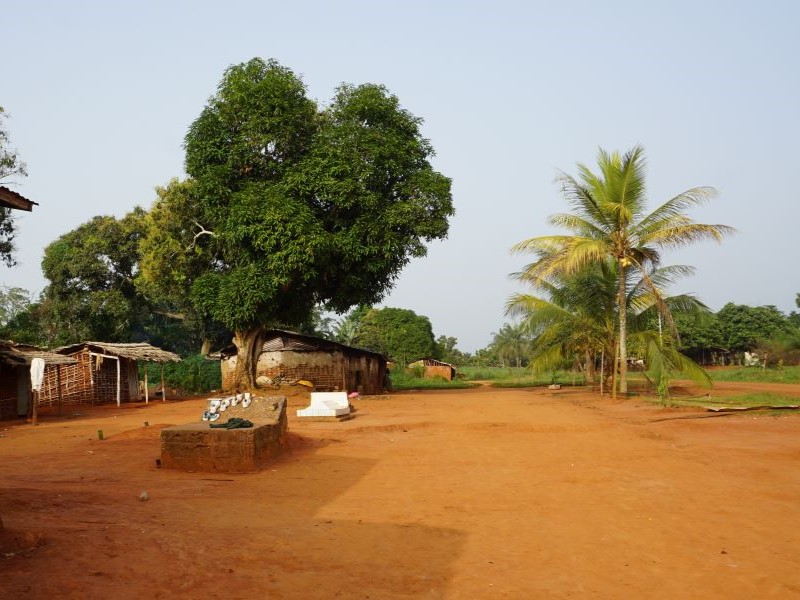
We don't lose heart and explore the village on four scooters.
We visit the high school and meet the lovely teachers and a geography teacher who, we discover, is a skilled percussionist, so we organize a party in the village with music for that evening.
They take us to visit a sweet 102-year-old village, a cocoa field, and a cassava field. That evening, lit by the fire and drinking a homemade gin we'd offered to the entire village, enlivened by many young people taking turns on the drums, under a wonderful starry sky, we spend one of the most beautiful nights of the entire trip...
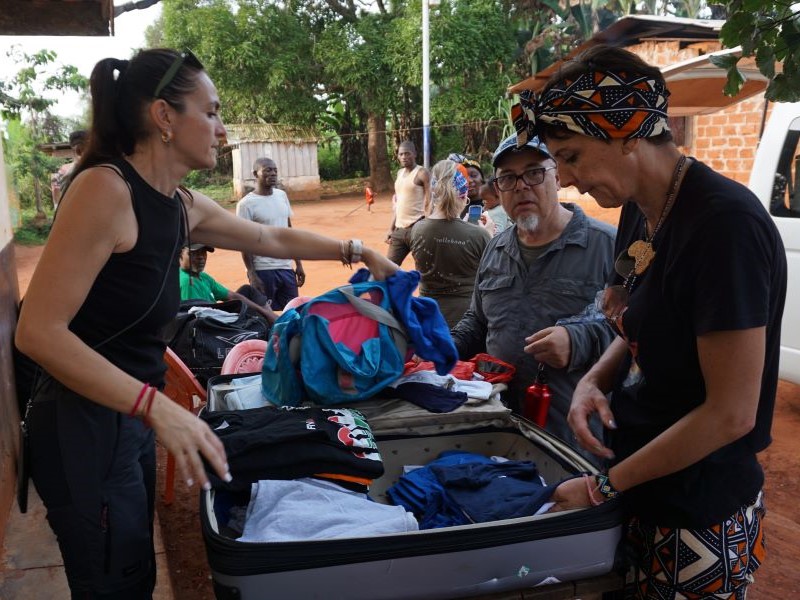
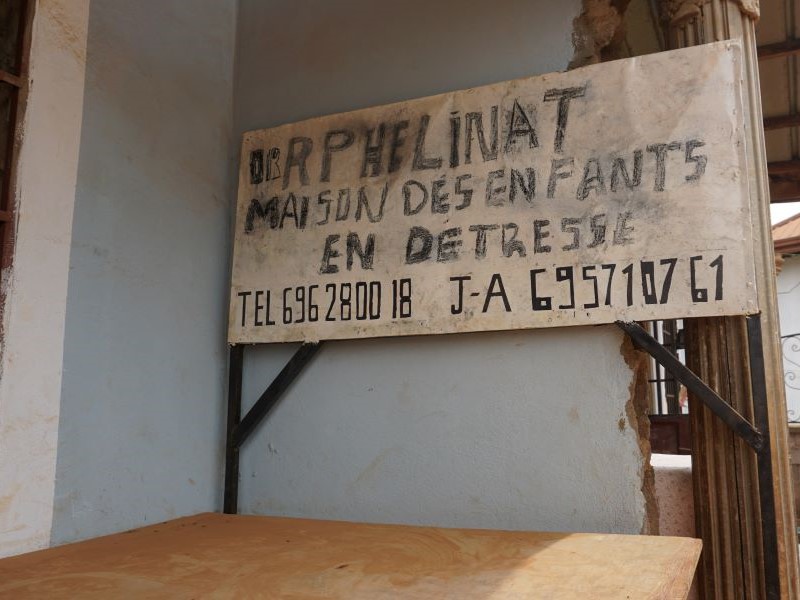
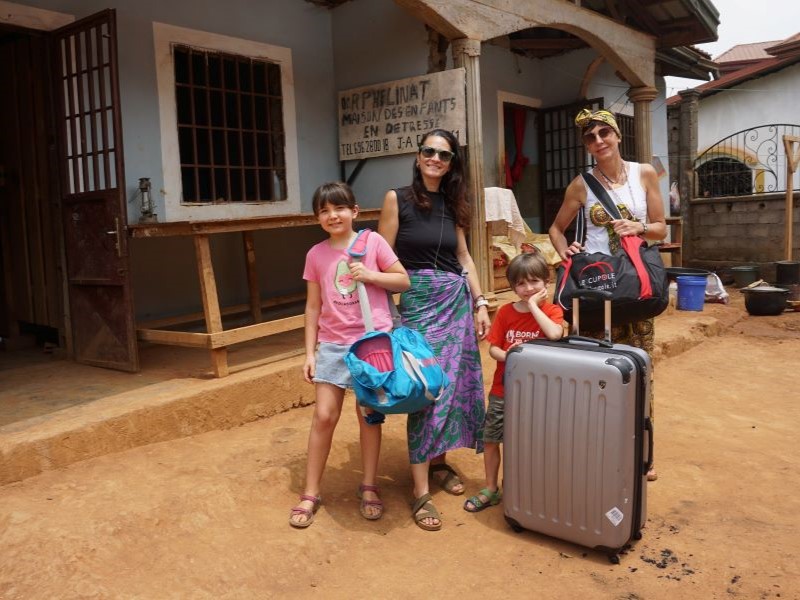
We set off again for the capital, stopping at the Orphelinat Maison des enfants en detresse in Yaoundé. Here, thirty children aged three to 21, some with disabilities, are welcomed by three kind-hearted women. We leave behind three bags filled with gifts brought from Italy. It may not be much, but if it's helped bring a smile, then we've done the right thing.
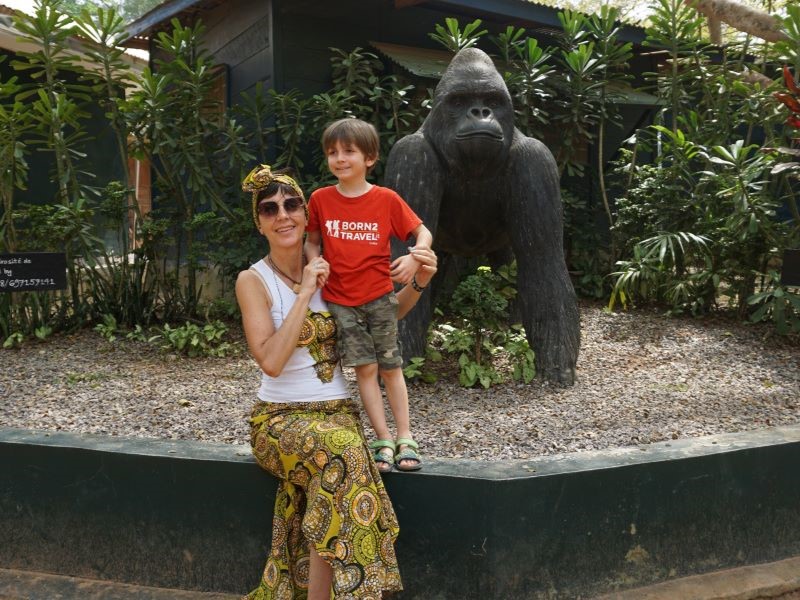
An hour from the capital, we reach Mefou National Park, managed by Ape Action Africa, an organization that works to protect primates in Cameroon. Here, expert guides will show you gorillas, chimpanzees, and mandrills living in a beautiful natural environment, safe from poachers.
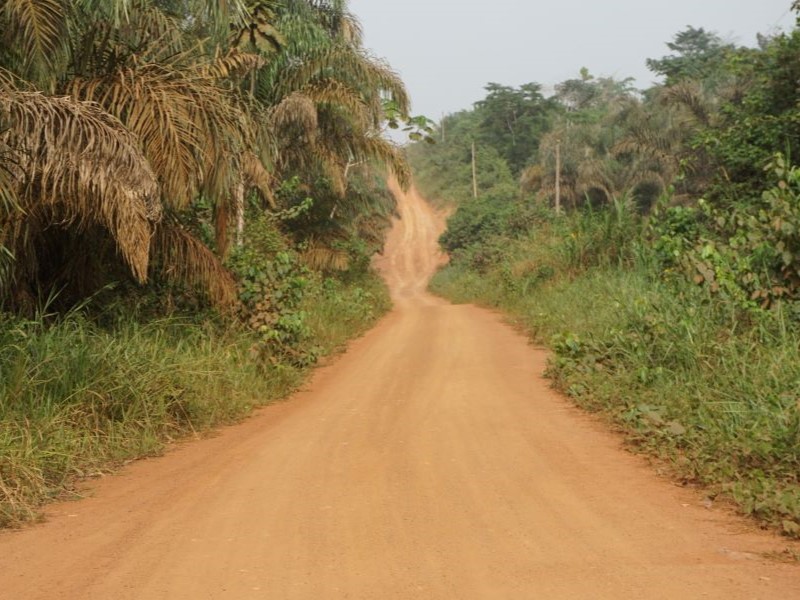
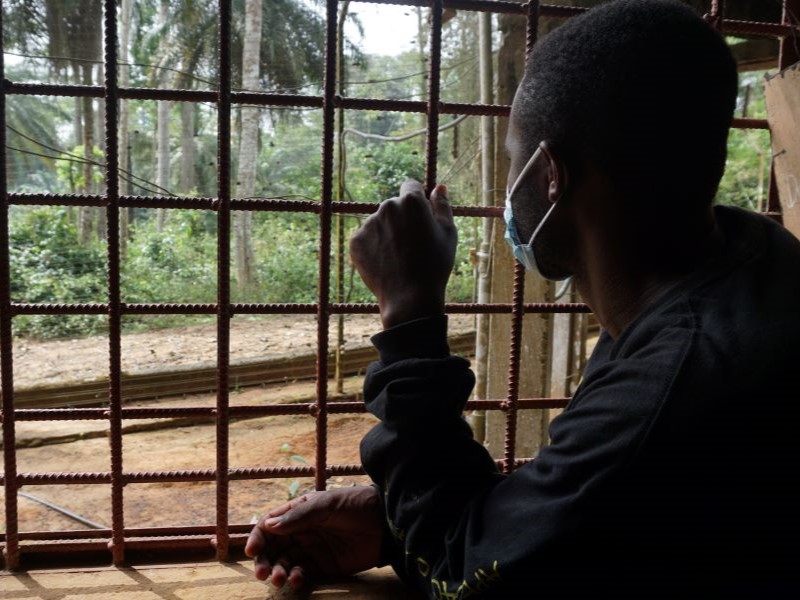
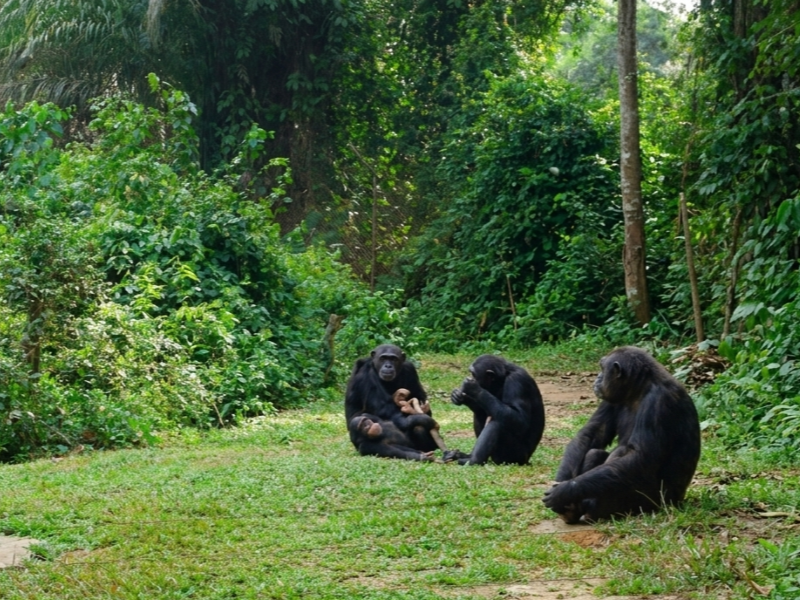
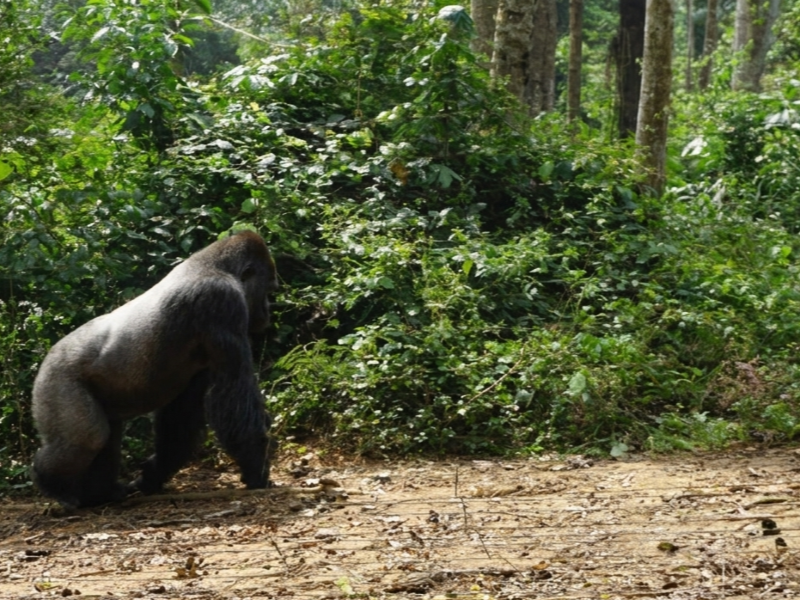
About thirty minutes by road from Mbalmayo, along a dusty red earth road, we reach Mengame, the base of the Ebogo ecotourism site on the Nyong River.
Ebogo is a place of patience. It's where travelers step out of their jeeps to tune into the slow rhythm of the forest.
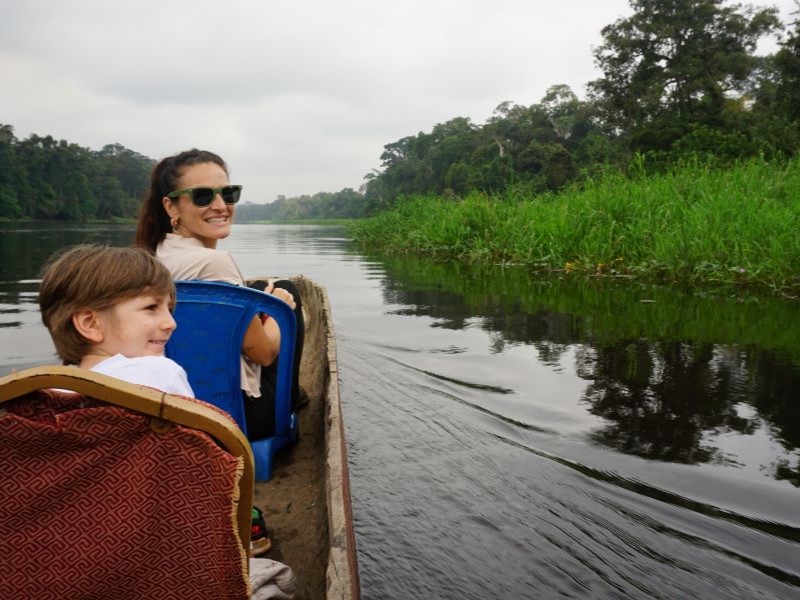
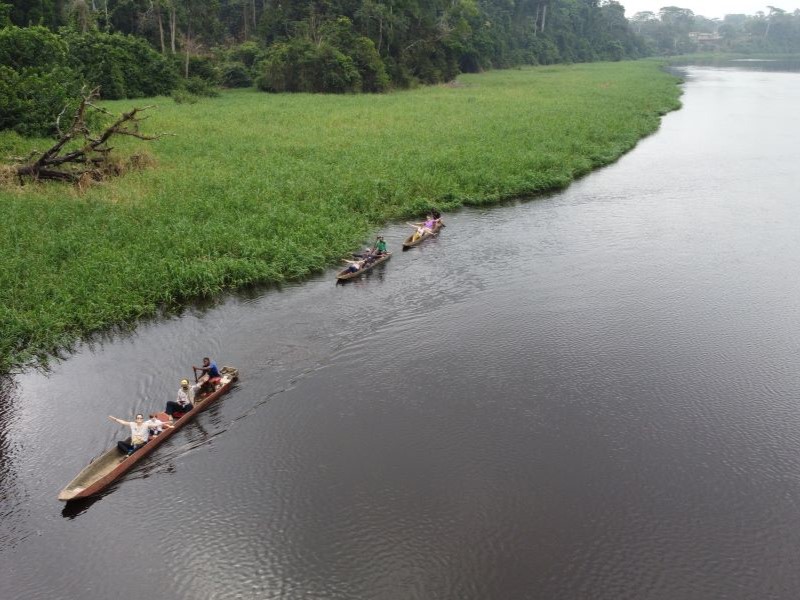
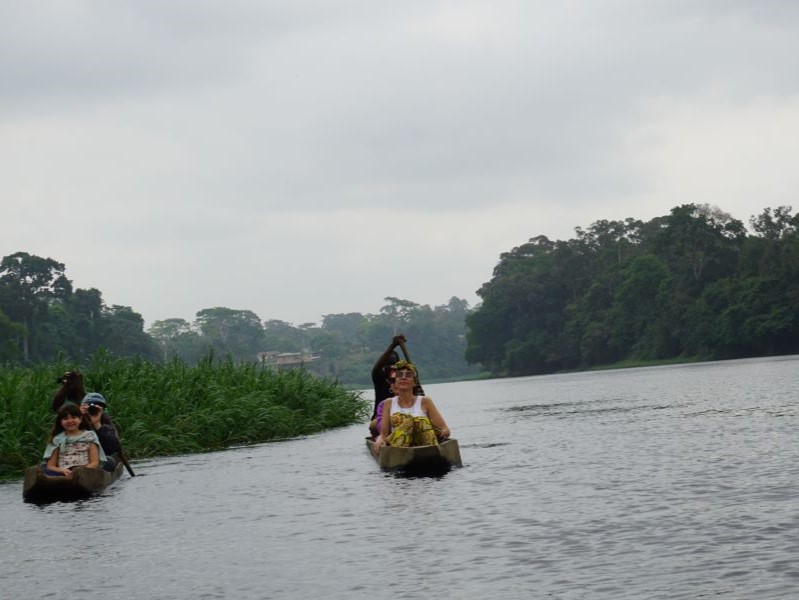
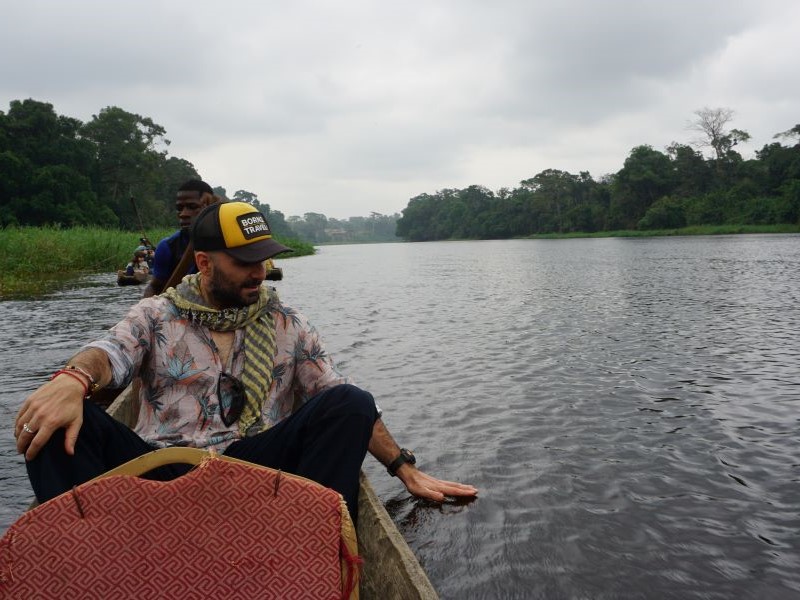
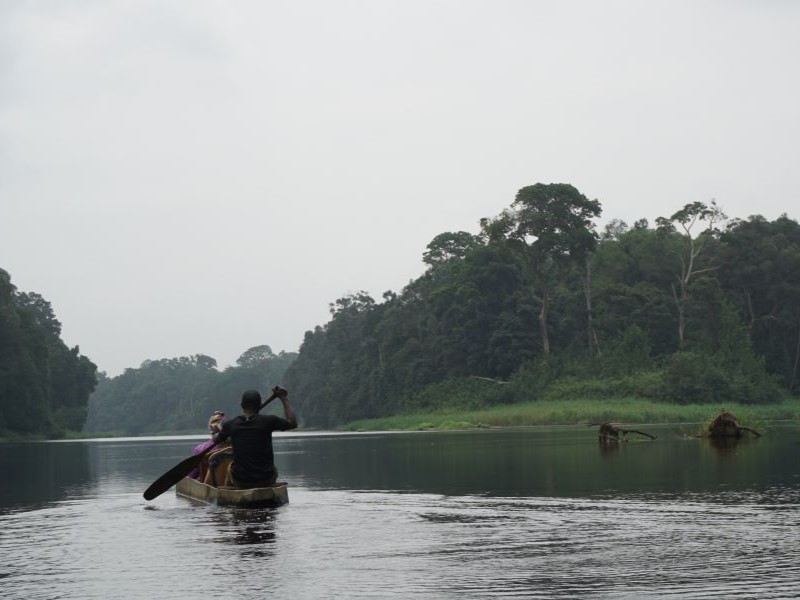
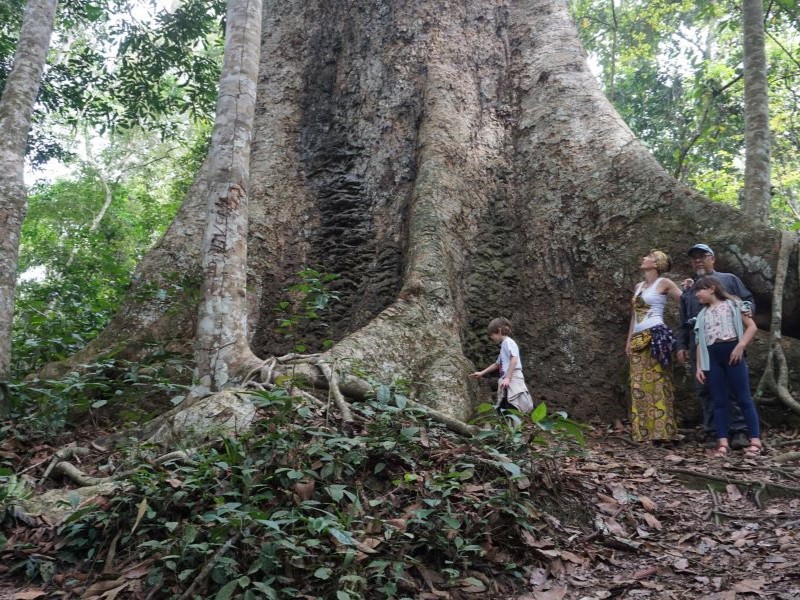
The highlight of the experience is a slow journey up the Nyong River in dugout canoes. The water is dark, almost black, due to the tannins in the leaves, creating a perfect mirror for the surrounding forest. A birdwatcher's and butterfly watcher's paradise, we sail its dark waters to the legendary kossipo tree, over a thousand years old. A very interesting visit.
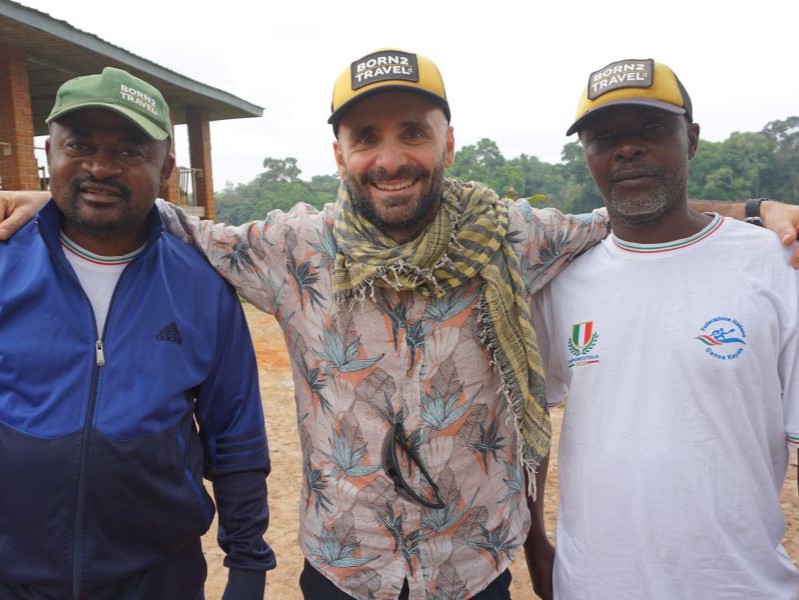
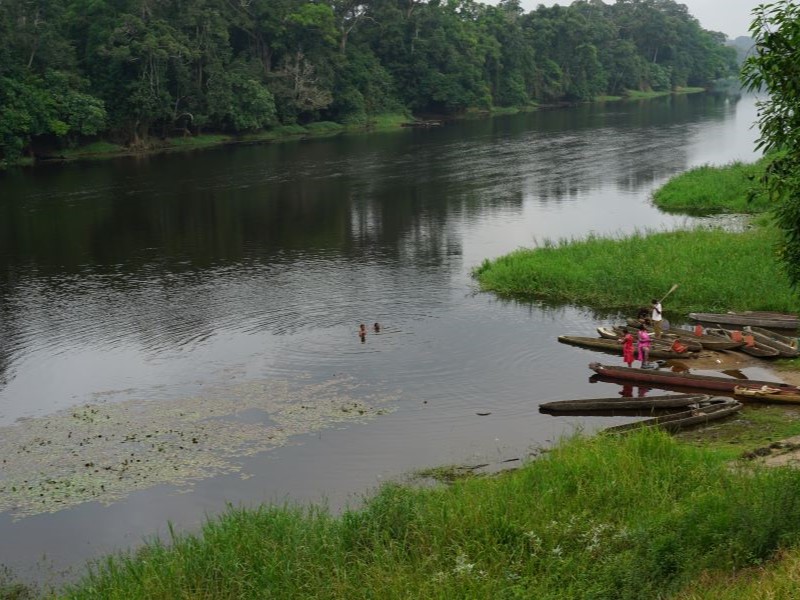
We set off again towards Kribi, which we reach in the evening after more than seven hours of travel crossing a large part of Cameroon.
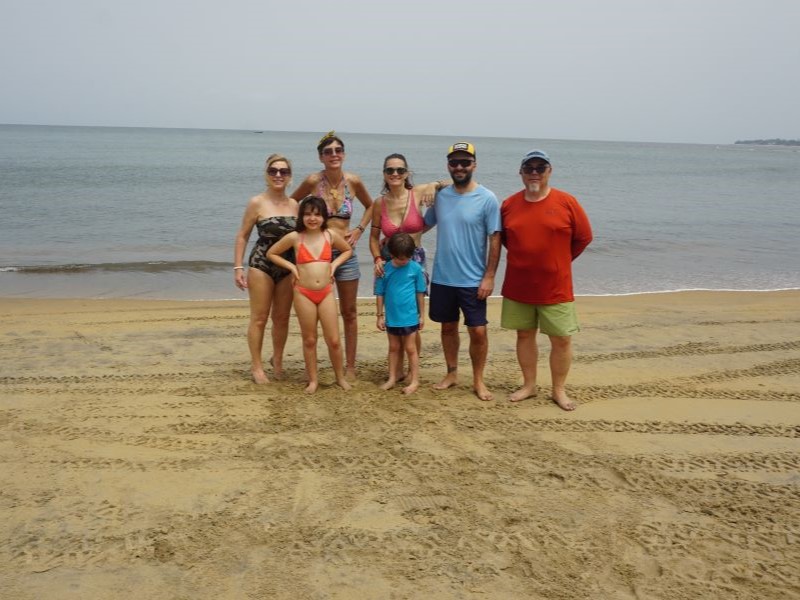
Kribi is home to the most beautiful beaches in Cameroon: the sand is fine, you can eat freshly caught Atlantic Ocean fish, and life is much more relaxed.
We spend the night at the Hotel de l’Ocean and relax with a tasty grilled fish dinner in the hotel restaurant right on the beach.
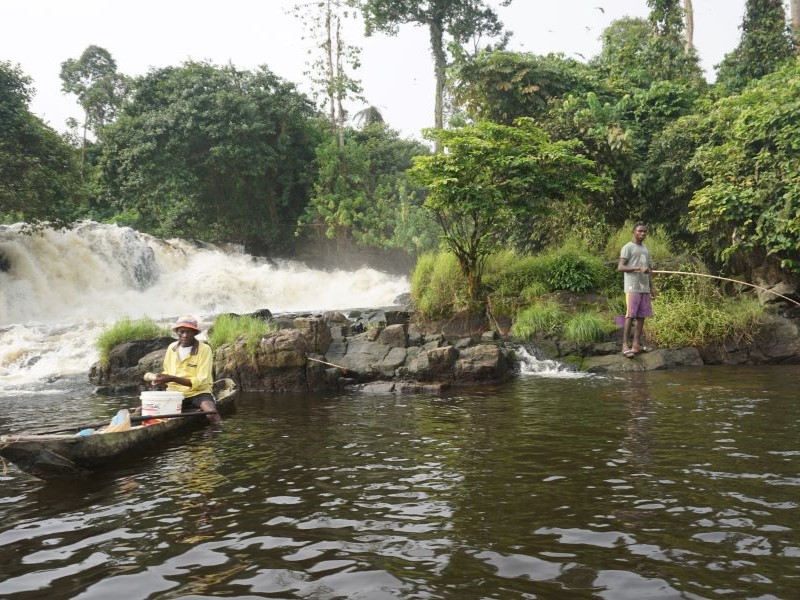
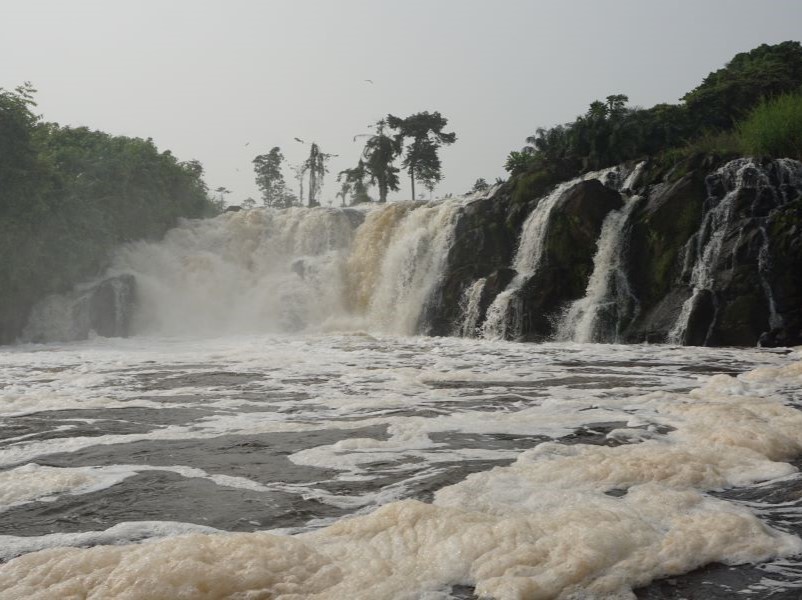
On board a motorboat we set off to discover the Lobe Falls (chutes de la Lobe), which represent one of the rarest and most fascinating natural phenomena not only in Cameroon but in the entire world, as the Lobe River flows directly into the waters of the Atlantic Ocean.
A UNESCO World Heritage Site, they are truly very picturesque.
I also take the opportunity to relax a bit on its wide beach by diving into the warm waters of the ocean.
In the late morning, we leave for Douala because we have a long flight home tomorrow morning. The last four hours of our journey through this wonderful land.
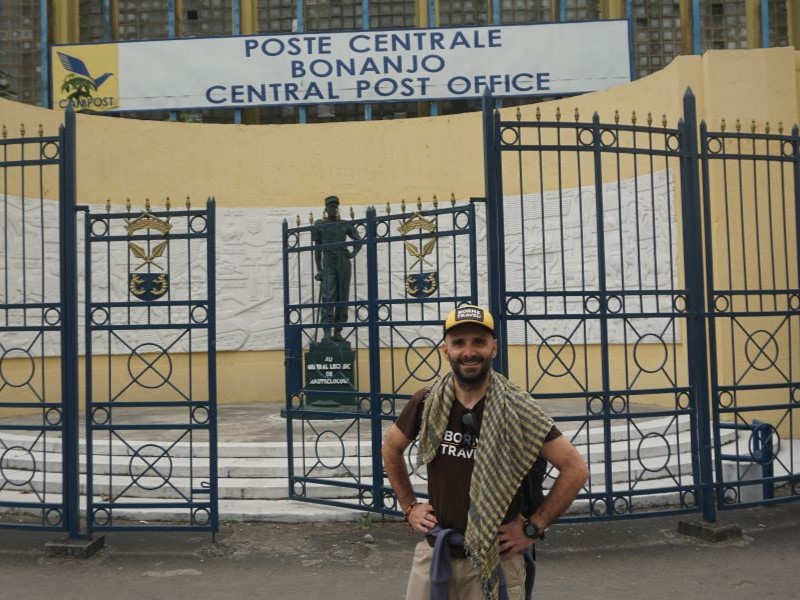
We pop into the local craft market and the Post Office before taking refuge in our lovely Hotel Mickel for our last night!
We depart Cameroon with eyes full of green and a heart heavy with that African melancholy that isn't sadness, but the awareness of having touched, for a moment, the very roots of life. An overland journey to these lands doesn't just change your itinerary; it changes your view of the world.

Error: No feed found.
Please go to the Instagram Feed settings page to create a feed.